
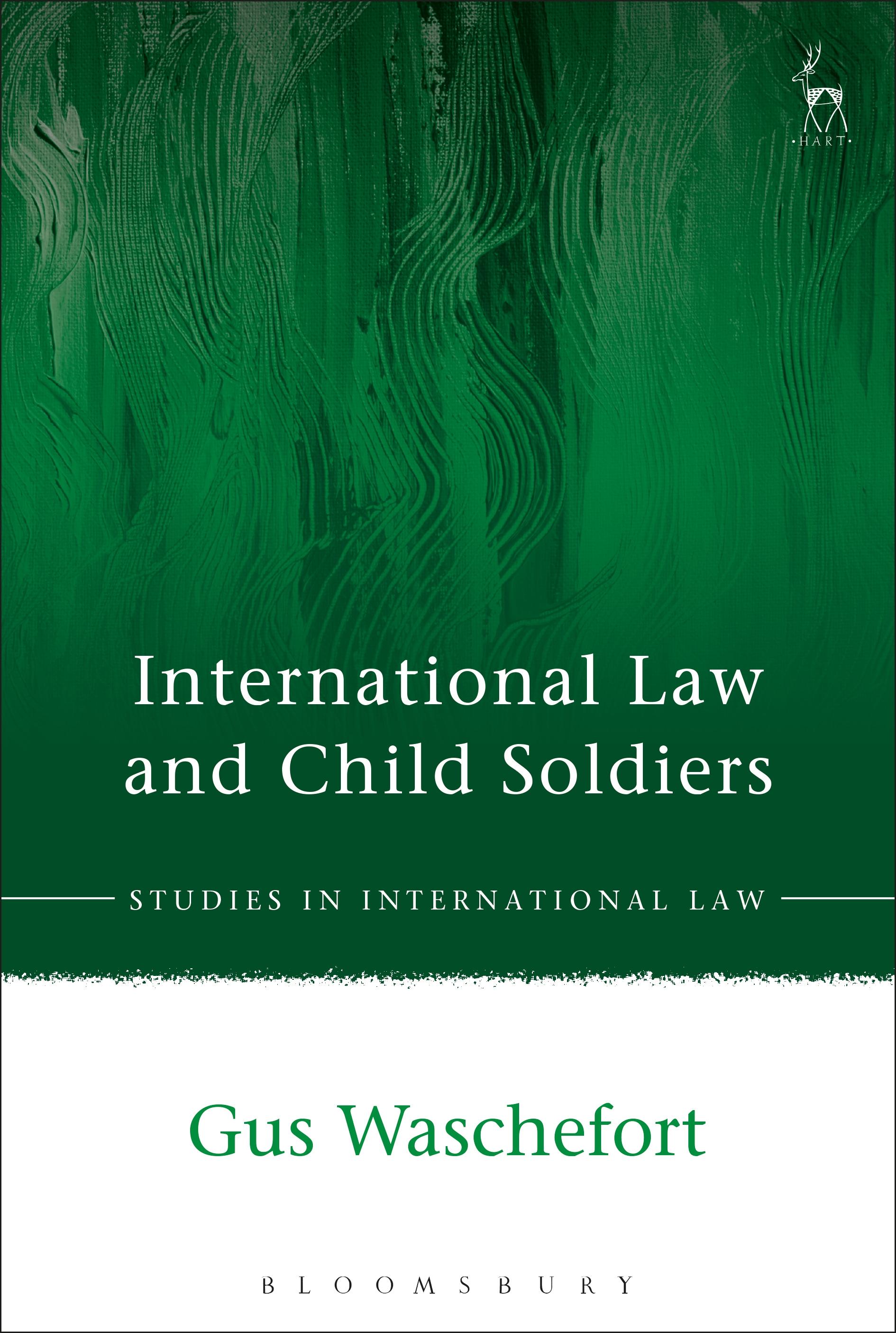
This book commences with an analysis of the current state of child soldiering internationally. Thereafter the proscriptive content of contemporary norms on the prohibition of the use and recruitment of child soldiers is evaluated, so as to determine whether these norms are capable of better enforcement. An 'issues-based' approach is adopted, in terms of which no specific regime of law, such as international humanitarian law (IHL), is deemed dominant. Instead, universal and regional human rights law, international criminal law and IHL are assessed cumulatively, so as to create a mutually reinforcing web of protection. Ultimately, it is argued that the effective implementation of child soldier prohibitive norms does not require major changes to any entity or functionary engaged in such prevention; rather, it requires the constant reassessment and refinement of all such entities and functionaries, and here, some changes are suggested. International judicial, quasi-judicial and non-judicial entities and functionaries most relevant to child soldier prevention are critically assessed. Ultimately the conclusions reached are assessed in light of a case study on the use and recruitment of child soldiers in the Democratic Republic of the Congo.
Betal nemt med kort, Klarna, Apple Pay eller Google Pay. Ikke tilfreds? Du har altid 14 dages fortrydelsesret. Læs mere i vores vilkår. Har du spørgsmål, så send os en mail på hello@memmo.org.
Memmo gør det nemmere at studere – uanset hvor du er i verden. Hos os samler du dine kursusbøger og smarte studieværktøjer ét sted: resuméer, quizzer, podcasts og flashcards. Og så er der Ted, din studieven, der svarer på alt, du undrer dig over. Over 50 000 studerende studerer allerede her – bygget til at hjælpe dig med at lære hurtigere og stresse mindre.