
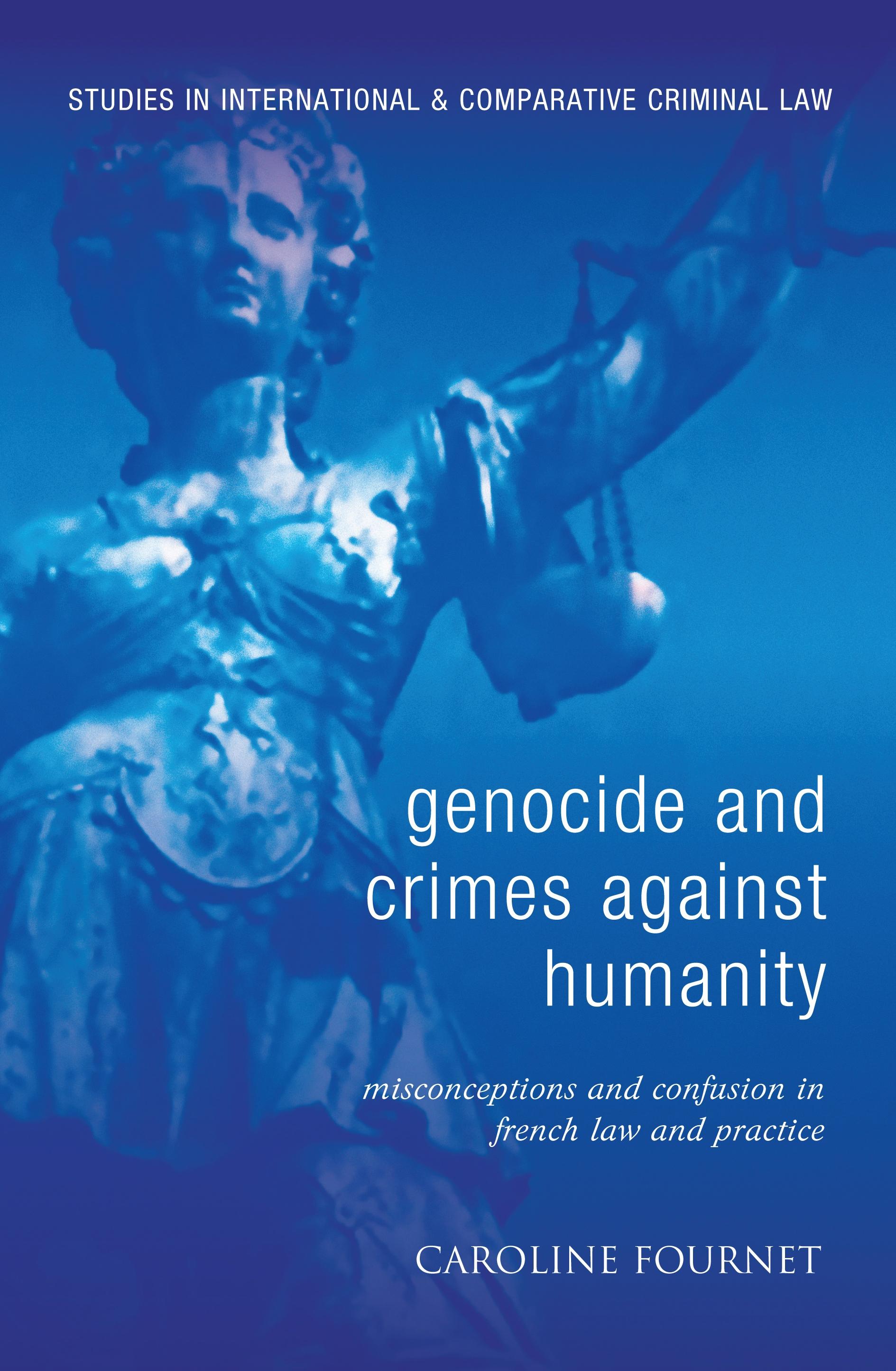
This book explores the ambiguities of the French law of genocide by exposing the inexplicable dichotomy between a progressive theory and an overly conservative practice. Based on the observation that the crime of genocide has remained absent from French courtrooms to the benefit of crimes against humanity, this research dissects the reasons for this absence, reviewing and analysing the potential legal obstacles to the judicial use of the law of genocide before contemplating the definitional impact of this judicial reluctance and the consequent confusion between the two crimes. Whilst it uses the French law of genocide and related case law on crimes against humanity as its focal points, the book further adopts a more general standpoint, suggesting that the French misunderstandings of the crime of genocide might ultimately be symptomatic of a more widespread misconception of the crime of genocide as a crime perpetrated against 'a group'.
Betal nemt med kort, Klarna, Apple Pay eller Google Pay. Ikke tilfreds? Du har altid 14 dages fortrydelsesret. Læs mere i vores vilkår. Har du spørgsmål, så send os en mail på hello@memmo.org.
Memmo gør det nemmere at studere – uanset hvor du er i verden. Hos os samler du dine kursusbøger og smarte studieværktøjer ét sted: resuméer, quizzer, podcasts og flashcards. Og så er der Ted, din studieven, der svarer på alt, du undrer dig over. Over 50 000 studerende studerer allerede her – bygget til at hjælpe dig med at lære hurtigere og stresse mindre.