
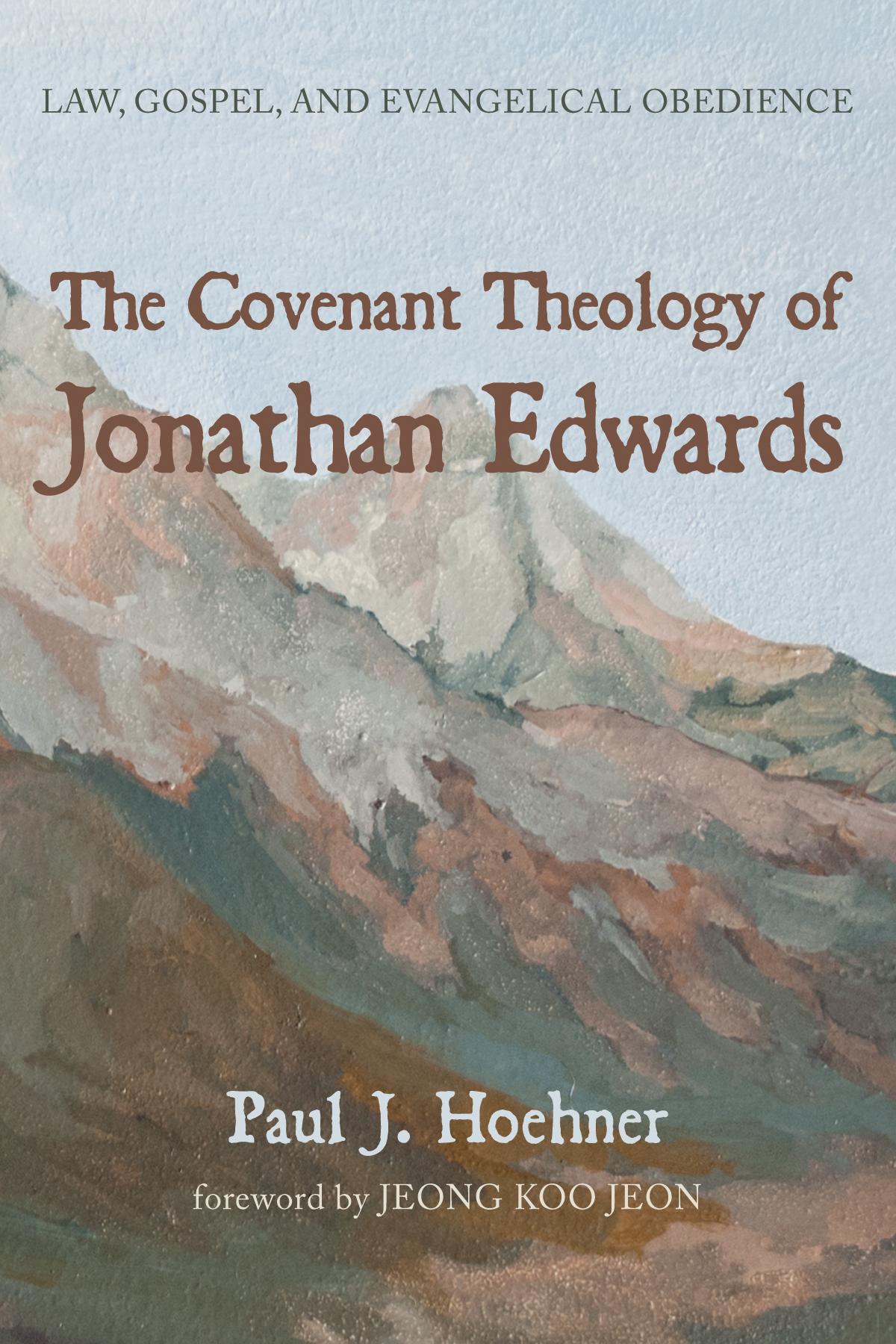
As a theologian in the Reformed tradition, covenant theology was for Jonathan Edwards the internal scaffolding that gave shape to the biblical story of redemption. The establishment of the eternal rule of righteousness as the basis of the believer's communion with God and eternal happiness is a central theme beginning with the Covenant of Works, grounded in the eternal Covenant of Redemption, and culminating in the Covenant of Grace. It is the basis for the law-gospel distinction in Edwards and the early architects of federal theology. For the "God intoxicated" New England Puritan preacher, this was no dry academic exercise. Rather, it was a joyous and affectionate discovery and embrace of what God had ordained in eternity, what Christ accomplished in history on the cross, and what the Holy Spirit is doing and will complete in the church.
This study grew out of current discussions in Reformed scholarship questioning aspects of traditional covenant theology. As a key transitional figure in the history of Reformed theology, Edwards's thinking is still relevant. The richness and depth of Edwards's vision of redemptive history provides a clear and comprehensive understanding of his Reformed soteriology and the role of evangelical obedience in justification.
Betal nemt med kort, Klarna, Apple Pay eller Google Pay. Ikke tilfreds? Du har altid 14 dages fortrydelsesret. Læs mere i vores vilkår. Har du spørgsmål, så send os en mail på hello@memmo.org.
Memmo gør det nemmere at studere – uanset hvor du er i verden. Hos os samler du dine kursusbøger og smarte studieværktøjer ét sted: resuméer, quizzer, podcasts og flashcards. Og så er der Ted, din studieven, der svarer på alt, du undrer dig over. Over 50 000 studerende studerer allerede her – bygget til at hjælpe dig med at lære hurtigere og stresse mindre.
Du kan måske også lide
Køb bogen0