
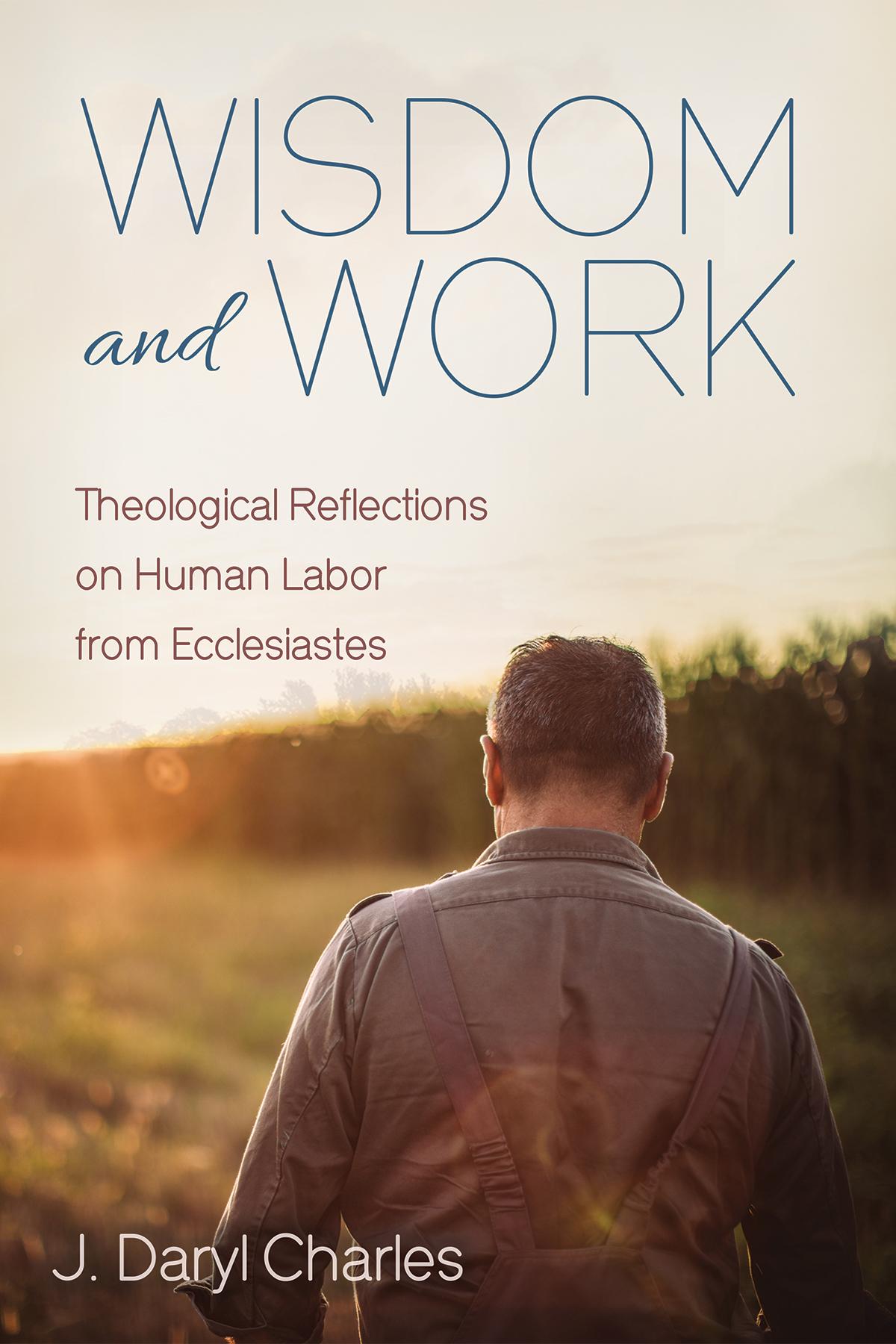
Alluring yet frustrating. Charming yet maddening. Such is our reaction to the literary wonder called Ecclesiastes (Qoheleth), a "wisdom" book that has captured the fascination of readers everywhere for over two millennia with its mix of poetry and personal reflection, its probing of the human experience and its piercing assessment of human activity--especially human labor. Its "All is meaningless!" lament, which frames the document, is well known to all. But its message and the structure of the writer's argument remain disputed, even among professional scholars. Often overlooked, when not ignored, is the relationship between joy or contentment and the fear of God. And almost universally ignored in standard commentary is the role that satisfaction in our work plays in the life of the God-fearer. Against the mainstream of biblical scholarship, Wisdom and Work argues for the presence of a double theme in Ecclesiastes. It argues that, based on the writer's literary-rhetorical strategy, two diametrically opposed outlooks on life are being contrasted in Ecclesiastes, and that meaning and purpose, not "meaninglessness," are by divine design to be the norm - a norm that infuses the daily, the ordinary, and perhaps most significantly, our work.
Betal nemt med kort, Klarna, Apple Pay eller Google Pay. Ikke tilfreds? Du har altid 14 dages fortrydelsesret. Læs mere i vores vilkår. Har du spørgsmål, så send os en mail på hello@memmo.org.
Memmo gør det nemmere at studere – uanset hvor du er i verden. Hos os samler du dine kursusbøger og smarte studieværktøjer ét sted: resuméer, quizzer, podcasts og flashcards. Og så er der Ted, din studieven, der svarer på alt, du undrer dig over. Over 50 000 studerende studerer allerede her – bygget til at hjælpe dig med at lære hurtigere og stresse mindre.
Du kan måske også lide
Køb bogen0