
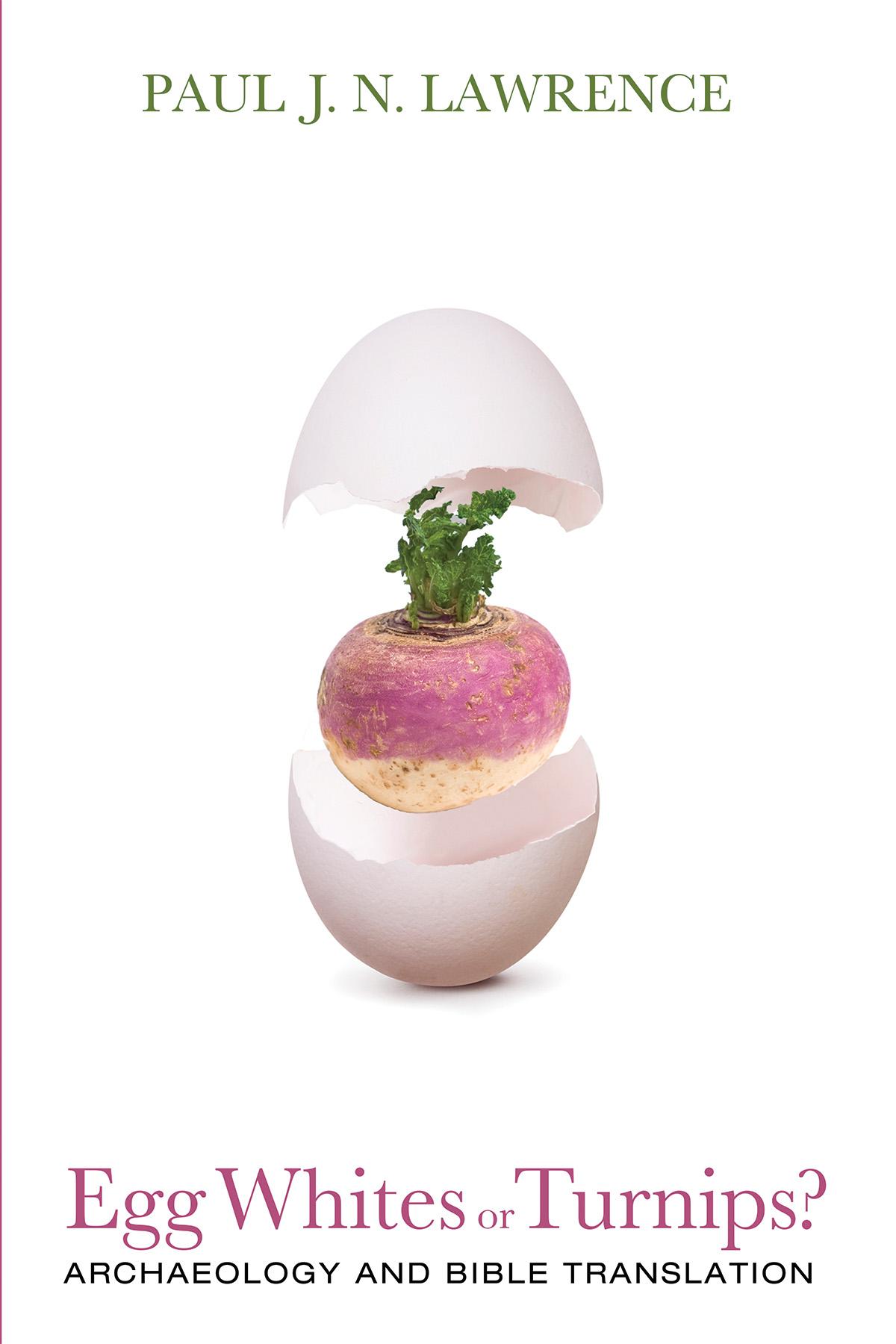
Why are Bible translations so different from each other in places? Don't Bible translators know whether it was peacocks or baboons that King Solomon brought into Israel? Why has "sapphire" been replaced by "lapis lazuli" in some more modern versions? What animal provided the leather for the tabernacle? A badger? A sea cow? Or did the term in question simply mean "leather"?
Can archaeology tell us what David's harp looked like? What is the evidence for leprosy in Bible times? Is there evidence for cotton, silk, and chickens at the time of the Bible?
Answers to these and many other questions are given in this book.
But how are such questions to be answered? Essentially the answer is "from the ground"--what can be called "archaeology." This book explores how, over the past two centuries, archaeology has shed its light on the text of the Bible.
Betal nemt med kort, Klarna, Apple Pay eller Google Pay. Ikke tilfreds? Du har altid 14 dages fortrydelsesret. Læs mere i vores vilkår. Har du spørgsmål, så send os en mail på hello@memmo.org.
Memmo gør det nemmere at studere – uanset hvor du er i verden. Hos os samler du dine kursusbøger og smarte studieværktøjer ét sted: resuméer, quizzer, podcasts og flashcards. Og så er der Ted, din studieven, der svarer på alt, du undrer dig over. Over 50 000 studerende studerer allerede her – bygget til at hjælpe dig med at lære hurtigere og stresse mindre.
Du kan måske også lide
Køb bogen0