
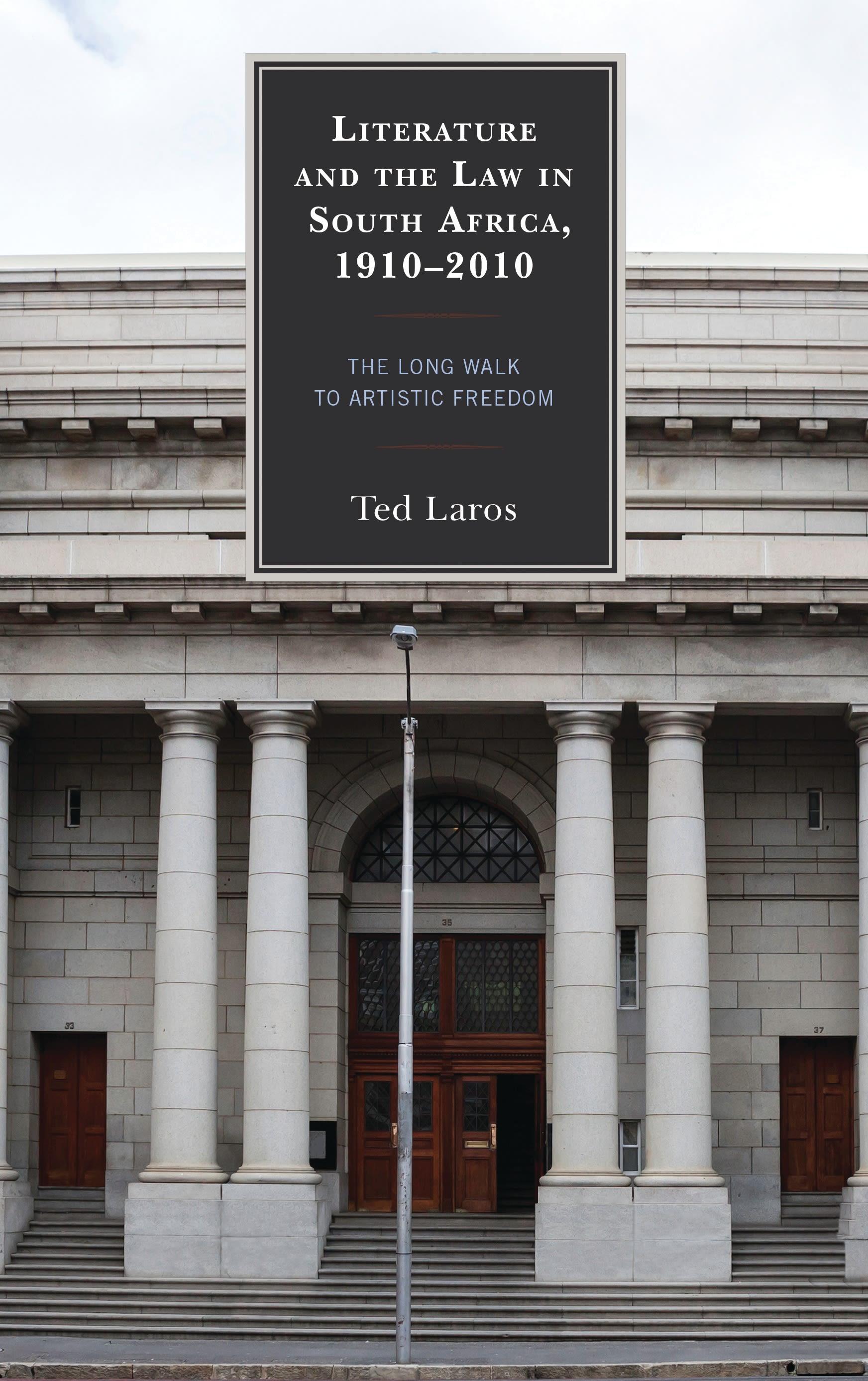
In 1994, artistic freedom pertaining inter alia to literature was enshrined in the South African Constitution. Clearly, the establishment of this right was long overdue compared to other nations within the Commonwealth. Indeed, the legal framework and practices regarding the regulation of literature that were introduced following the nation’s transition to a non-racial democracy seemed to form a decisive turning point in the history of South African censorship of literature. This study employs a historical sociological point of view to describe how the nation’s emerging literary field helped pave the way for the constitutional entrenchment of this right in 1994. On the basis of institutional and poetological analyses of all the legal trials concerning literature that were held in South Africa during the period 1910–2010, it describes how the battles fought in and around the courts between literary, judicial and executive elites eventually led to a constitutional exceptio artis for literature. As the South African judiciary displayed an ongoing orientation towards both English and American law in this period, the analyses are firmly placed in the context of developments occurring concurrently in these two legal systems.
Sider: 250
Kategori: Litteraturvetenskap & Teori
e-ISBN: 9781683930167
Forsendelsesvægt: 1.2 kg
Sendes inden for: 1-2 dage
Betal nemt med kort, Klarna, Apple Pay eller Google Pay. Ikke tilfreds? Du har altid 14 dages fortrydelsesret. Læs mere i vores vilkår. Har du spørgsmål, så send os en mail på hello@memmo.org.
Memmo gør det nemmere at studere – uanset hvor du er i verden. Hos os samler du dine kursusbøger og smarte studieværktøjer ét sted: resuméer, quizzer, podcasts og flashcards. Og så er der Ted, din studieven, der svarer på alt, du undrer dig over. Over 50 000 studerende studerer allerede her – bygget til at hjælpe dig med at lære hurtigere og stresse mindre.