
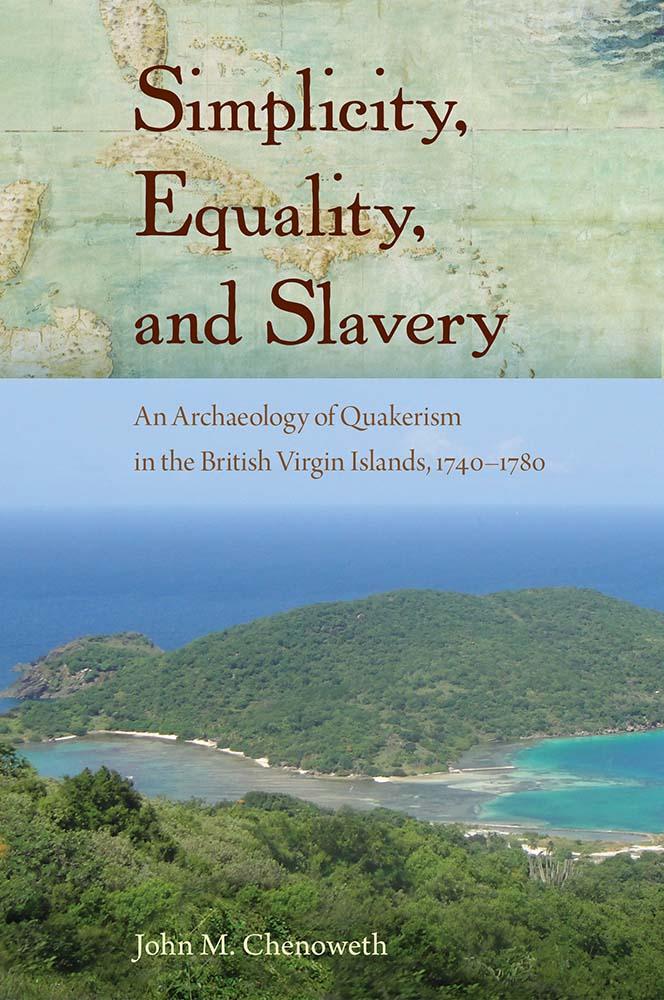
Inspired by the Quaker ideals of simplicity, equality, and peace, a group of white planters formed a community in the British Virgin Islands during the eighteenth century. Yet they lived in a slave society, and nearly all their members held enslaved people. In this book, John Chenoweth examines how the community navigated the contradictions of Quakerism and plantation ownership.
Using archaeological and archival information, Chenoweth reveals how a web of connections led to the community's establishment, how Quaker religious practices intersected with other aspects of daily life in the Caribbean, and how these practices were altered to fit a slavery-based economy and society. He also examines how dissent and schism eventually brought about the end of the community after just one generation. This is a fascinating study of the ways religious ideals can be interpreted in everyday practice to adapt to different local contexts.
A volume in the Florida Museum of Natural History: Ripley P. Bullen SeriesBetal nemt med kort, Klarna, Apple Pay eller Google Pay. Ikke tilfreds? Du har altid 14 dages fortrydelsesret. Læs mere i vores vilkår. Har du spørgsmål, så send os en mail på hello@memmo.org.
Memmo gør det nemmere at studere – uanset hvor du er i verden. Hos os samler du dine kursusbøger og smarte studieværktøjer ét sted: resuméer, quizzer, podcasts og flashcards. Og så er der Ted, din studieven, der svarer på alt, du undrer dig over. Over 50 000 studerende studerer allerede her – bygget til at hjælpe dig med at lære hurtigere og stresse mindre.