
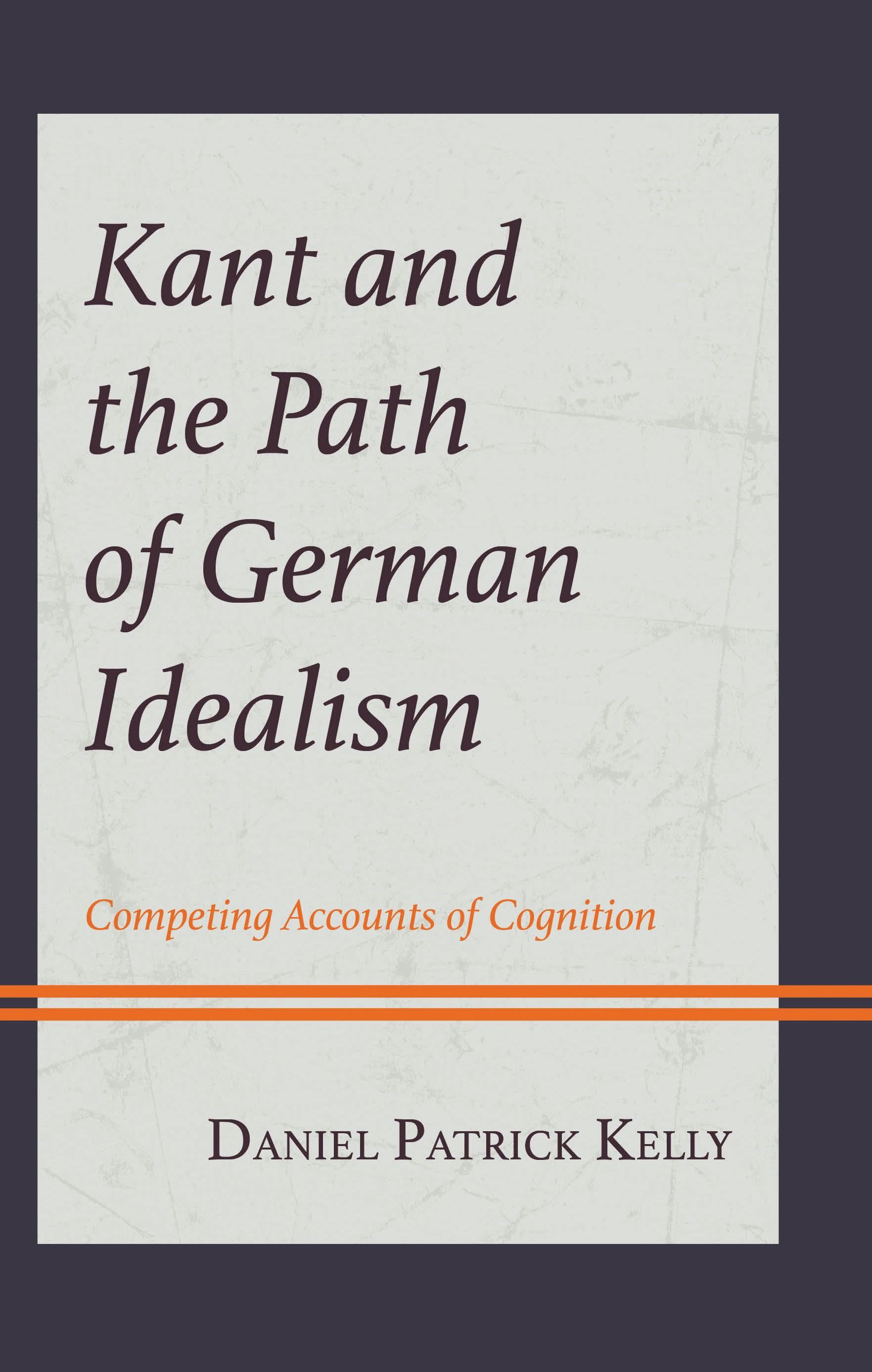
Kant's critical philosophy emerged within a philosophical landscape ripe for change, and it provided an unprecedented blueprint for how to scientifically, ethically, and spiritually reconcile subjective experience within the unique realities of modernity. Nevertheless, Kant's critical system encountered numerous challenges along its path toward influence. Drawing upon key texts from the Golden Age of philosophical scholarship from Kant to Hegel, Kant and the Path of German Idealism illuminates the trajectory of Kant's critical foundation as it was initially received, developed, and ostensibly usurped. What emerges from Daniel Patrick Kelly's reading of this philosophical period is the fundamental centrality of Kant's discursive account of cognition. Kelly contends that the early and steady erosion of the Kantian discursive foundation-which is theoretically central to the strength, integrity, and applicability of the Kantian system-was largely due to persistent Neo-Spinozist developments, misunderstandings of Kant's radical ideas, and the inability of Kant himself to sufficiently defend and further explicate his epistemology. This book also examines the revisionist developments of the immanent systems of Kant's German Idealist successors, presenting their systematic efforts as cautionary tales in their coice to reject Kant's epistemic wisdom.
Betal nemt med kort, Klarna, Apple Pay eller Google Pay. Ikke tilfreds? Du har altid 14 dages fortrydelsesret. Læs mere i vores vilkår. Har du spørgsmål, så send os en mail på hello@memmo.org.
Memmo gør det nemmere at studere – uanset hvor du er i verden. Hos os samler du dine kursusbøger og smarte studieværktøjer ét sted: resuméer, quizzer, podcasts og flashcards. Og så er der Ted, din studieven, der svarer på alt, du undrer dig over. Over 50 000 studerende studerer allerede her – bygget til at hjælpe dig med at lære hurtigere og stresse mindre.