
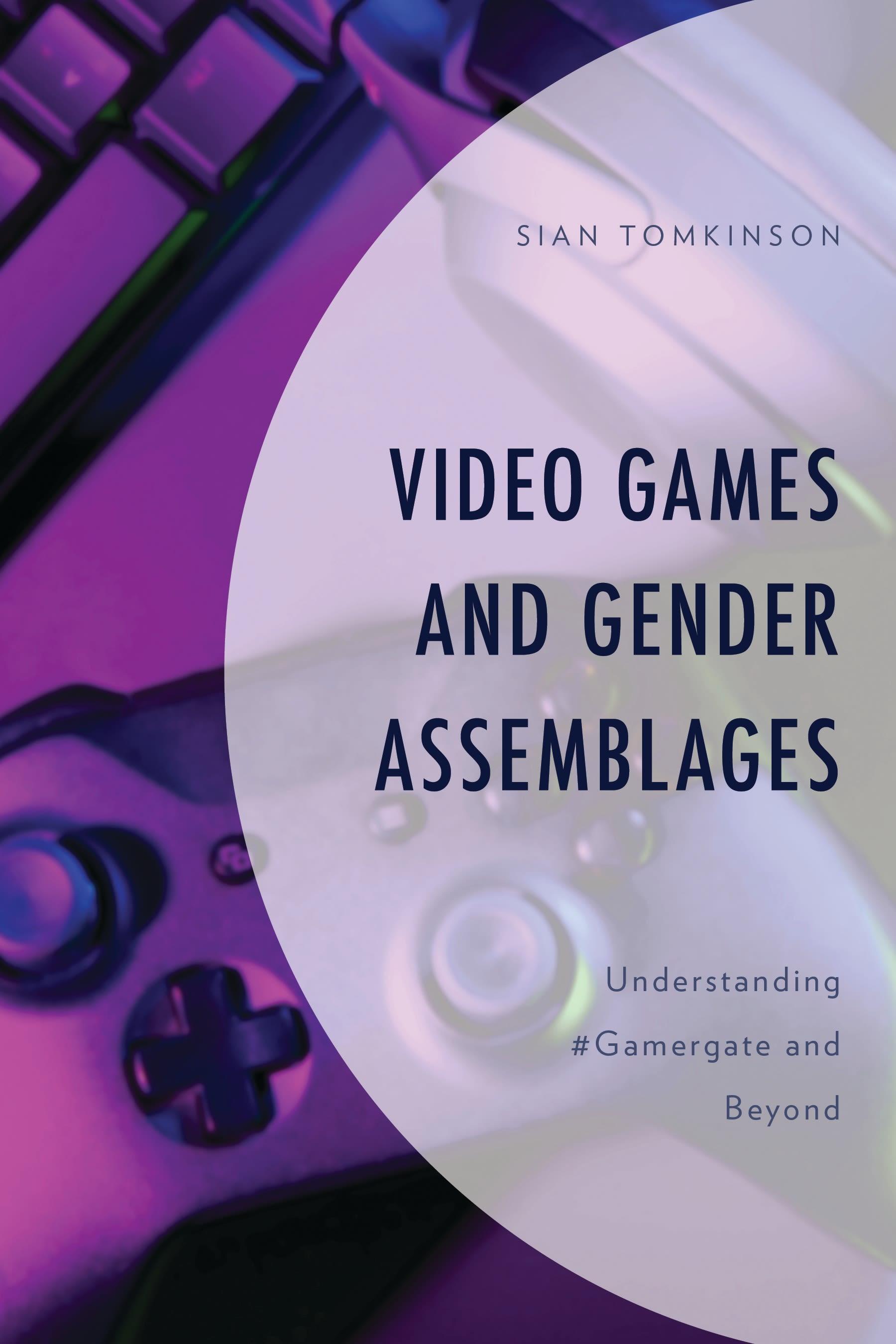
In this book, Sian Tomkinson examines why, despite around half of gamers being female, highly-gendered stereotypical assumptions pervade the video game industry and communities of play, leading to toxic attitudes and events such as Gamergate and beyond. Tomkinson utilizes a Deleuzoguattarian lens through critique of categories to encourage a shift away from the binary oppositions that often lie at the root of this tension. Through the use of concepts including the assemblage, faciality, and the refrain, the book argues that the increased diversity of games, producers, and players have challenged traditional gamer identities. Gamers faced with this challenge, Tomkinson posits, can either embrace new experiences and affects – deterritorialising this identity – or become destructively reactionary by reterritorializing and refusing to meaningfully engage with difference. Ultimately, this book demonstrates how video game cultures and communities have a unique assemblage of influences while also functioning as a microcosm of broader social, cultural, and political tensions. Scholars of media studies, video game studies, women's and gender studies, philosophy, and sociology will find this book of particular interest.
Betal nemt med kort, Klarna, Apple Pay eller Google Pay. Ikke tilfreds? Du har altid 14 dages fortrydelsesret. Læs mere i vores vilkår. Har du spørgsmål, så send os en mail på hello@memmo.org.
Memmo gør det nemmere at studere – uanset hvor du er i verden. Hos os samler du dine kursusbøger og smarte studieværktøjer ét sted: resuméer, quizzer, podcasts og flashcards. Og så er der Ted, din studieven, der svarer på alt, du undrer dig over. Over 50 000 studerende studerer allerede her – bygget til at hjælpe dig med at lære hurtigere og stresse mindre.