
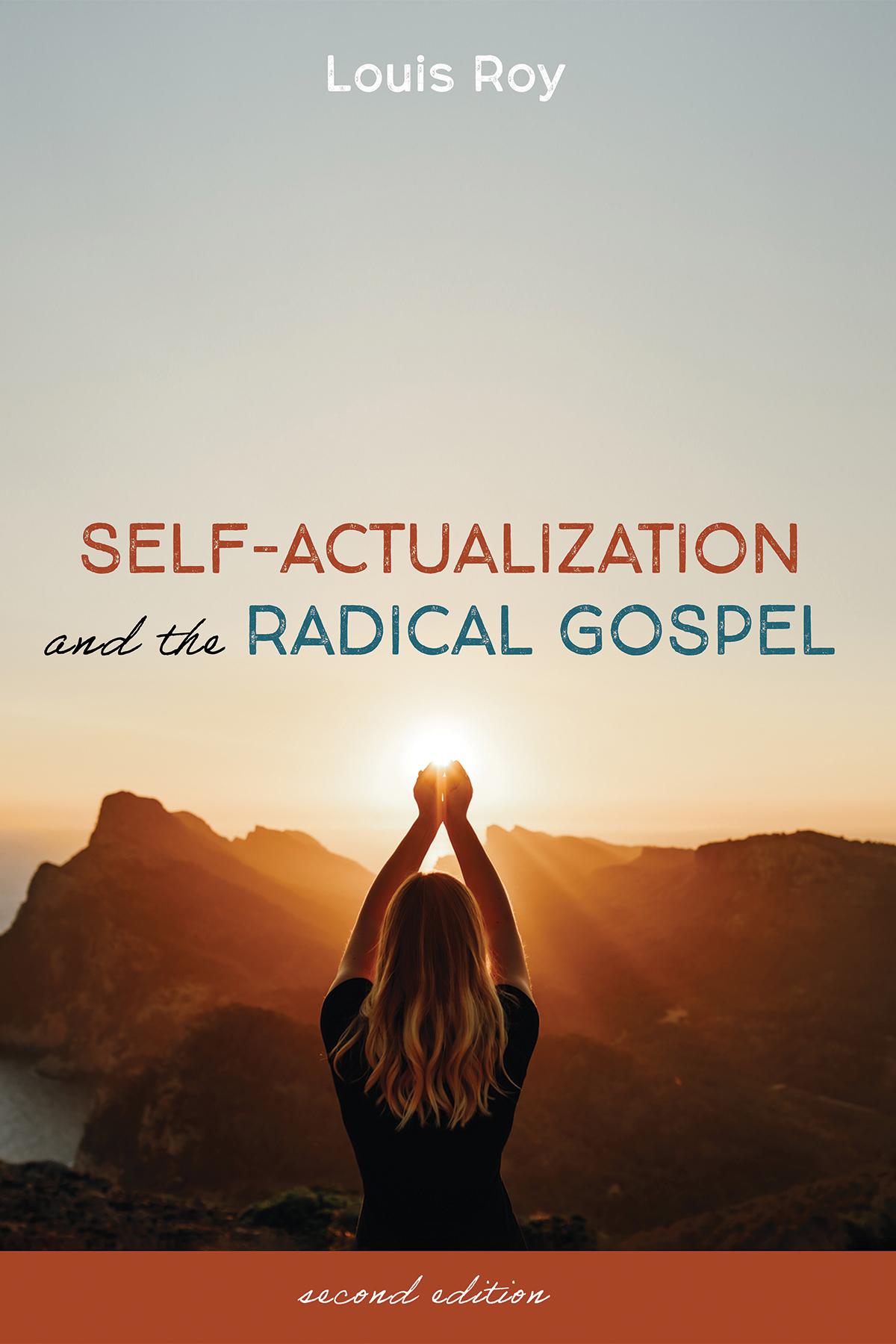
Can today's Christians reconcile a belief in self-actualization with the extreme ethical demands of the New Testament? The author argues that they can, although not easily, and that the felt uneasiness between two concerns--self-fulfillment and self-gift--may generate a healthy tension.
There is then an apparent mismatch between two views of ethics. On the one hand, psychological humanism is based on self-affirmation, acceptance of one's limitations, moderation, and the search for a quality of life in the midst of globalization. On the other hand, the radicalism of the gospel emphasizes passion (in the two senses of this word), self-transcendence towards the infinite, and generosity for God and others. Nonetheless, these two tendencies are neither incompatible nor easily reconcilable.
The book uncovers both the pitfalls of self-actualization and the misleading interpretations that have disfigured the radical gospel. It highlights the developmental factors, views of human life, successes, and failures which play a considerable role in a person's journey. It brings psychological, biblical, philosophical, theological, and pastoral clarifications to bear on the issues. This book will help its readers to grasp what a psychologically informed Christian ethic can be, both intellectually and practically.
Betal nemt med kort, Klarna, Apple Pay eller Google Pay. Ikke tilfreds? Du har altid 14 dages fortrydelsesret. Læs mere i vores vilkår. Har du spørgsmål, så send os en mail på hello@memmo.org.
Memmo gør det nemmere at studere – uanset hvor du er i verden. Hos os samler du dine kursusbøger og smarte studieværktøjer ét sted: resuméer, quizzer, podcasts og flashcards. Og så er der Ted, din studieven, der svarer på alt, du undrer dig over. Over 50 000 studerende studerer allerede her – bygget til at hjælpe dig med at lære hurtigere og stresse mindre.
Du kan måske også lide
Køb bogen0