
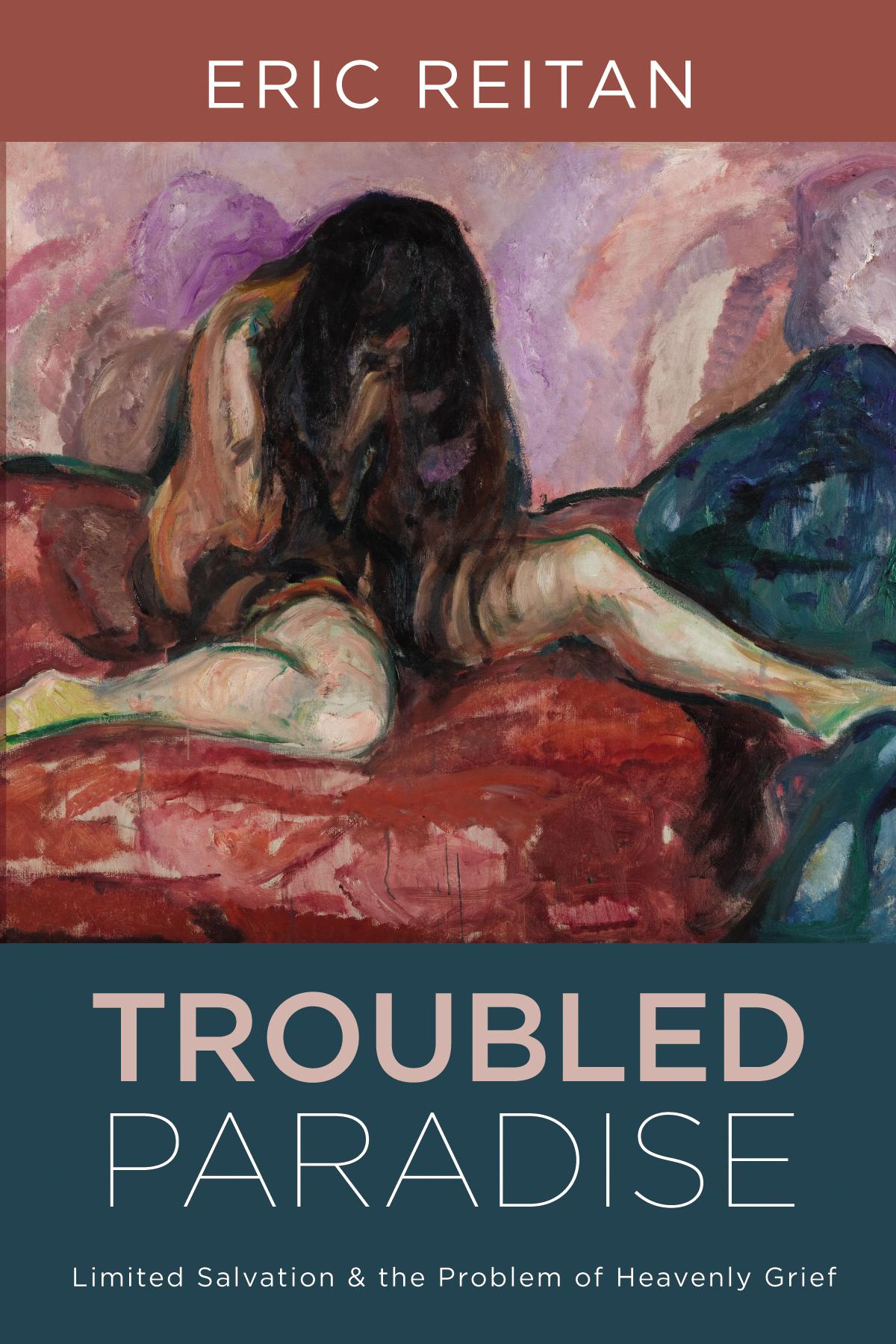
Grief over the loss of those we love is one of the most painful parts of life. But Christianity has long offered consolation to those who grieve in the form of the Easter promise. Death is not the end. Beyond it lies a realm of perfect joy, where mourning is no more and every tear is wiped away. But won't this promise have limits if, as Christians have traditionally believed, some of God's creatures are eternally lost? Can I really be perfectly happy in heaven if, say, my children are damned or annihilated? And what about the Christian teaching that those in heaven are morally sanctified? Doesn't this mean they will be perfected in a love so wide it includes even our enemies--and hence the lost? While delving deeply into the nature of grief and its relation to Christian ethics, this book explores the reasoning that generates this "problem of heavenly grief," examines purported solutions, and invites deeper reflection on a frequently dismissed idea that avoids the problem altogether: the universalist notion that there are no limits to Easter's promise because all are ultimately saved.
Betal nemt med kort, Klarna, Apple Pay eller Google Pay. Ikke tilfreds? Du har altid 14 dages fortrydelsesret. Læs mere i vores vilkår. Har du spørgsmål, så send os en mail på hello@memmo.org.
Memmo gør det nemmere at studere – uanset hvor du er i verden. Hos os samler du dine kursusbøger og smarte studieværktøjer ét sted: resuméer, quizzer, podcasts og flashcards. Og så er der Ted, din studieven, der svarer på alt, du undrer dig over. Over 50 000 studerende studerer allerede her – bygget til at hjælpe dig med at lære hurtigere og stresse mindre.
Du kan måske også lide
Køb bogen0