
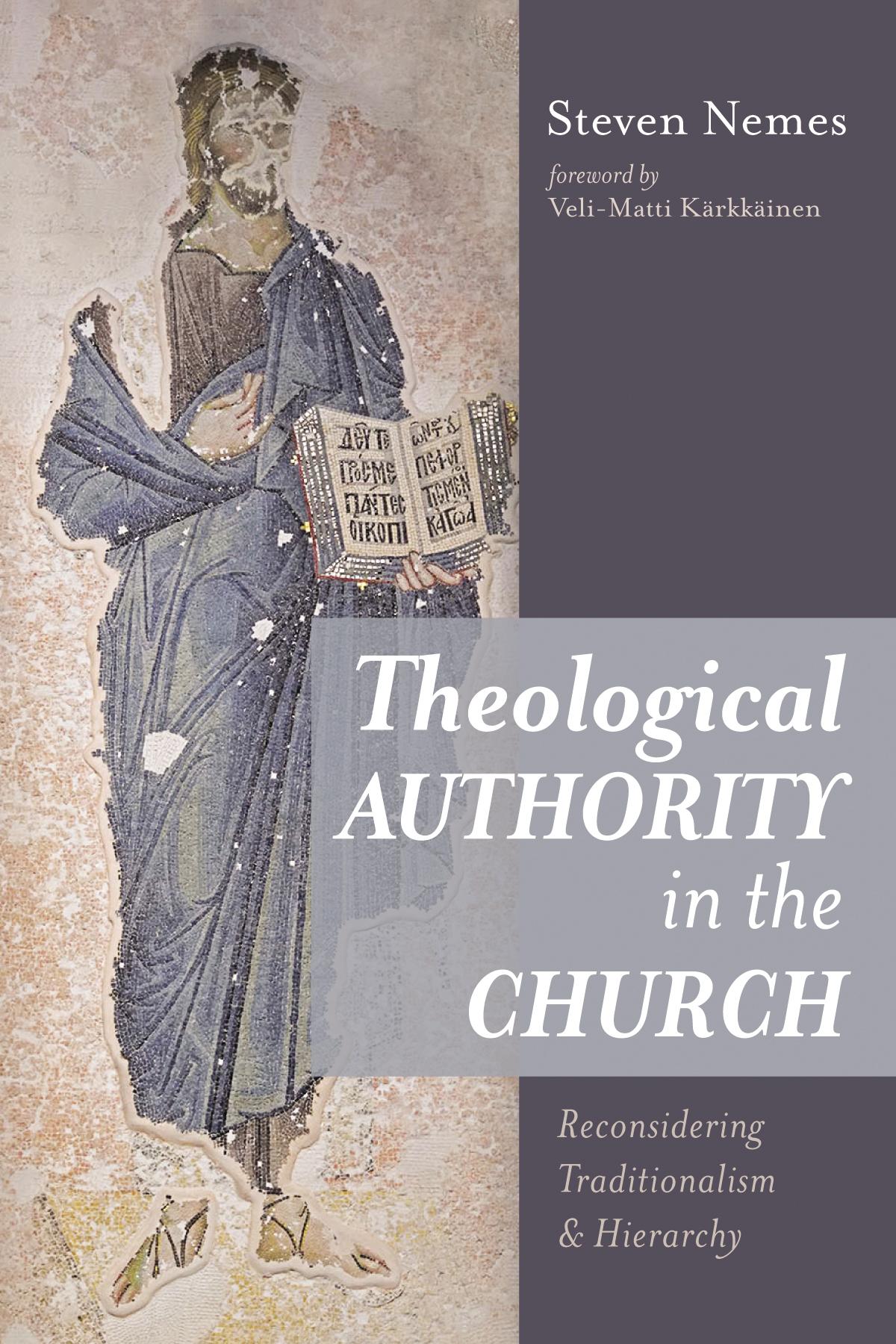
Who in the church has the right to tell others what is to be done or believed for the sake of friendship with God? How are theological disputes and differences of opinion to be resolved? Against the recent trend toward more "traditionalist" and "hierarchical" conceptions of the church's role in theology, this book argues from the New Testament itself for a "low" conception of ecclesial theological authority. Drawing especially from Jesus's polemics against the Pharisees, it makes the case that no one in the church has any further authority than that of derivatively, fallibly, and in principle reversibly relating and bearing witness to the teachings of Jesus and the works of God in him. The book concludes with an extended consideration of the radical anti-dogmatic and anti-metaphysical consequences of this thesis for the future of Protestant Christian theology vis-a-vis the catholic tradition.
Betal nemt med kort, Klarna, Apple Pay eller Google Pay. Ikke tilfreds? Du har altid 14 dages fortrydelsesret. Læs mere i vores vilkår. Har du spørgsmål, så send os en mail på hello@memmo.org.
Memmo gør det nemmere at studere – uanset hvor du er i verden. Hos os samler du dine kursusbøger og smarte studieværktøjer ét sted: resuméer, quizzer, podcasts og flashcards. Og så er der Ted, din studieven, der svarer på alt, du undrer dig over. Over 50 000 studerende studerer allerede her – bygget til at hjælpe dig med at lære hurtigere og stresse mindre.
Du kan måske også lide
Køb bogen0