
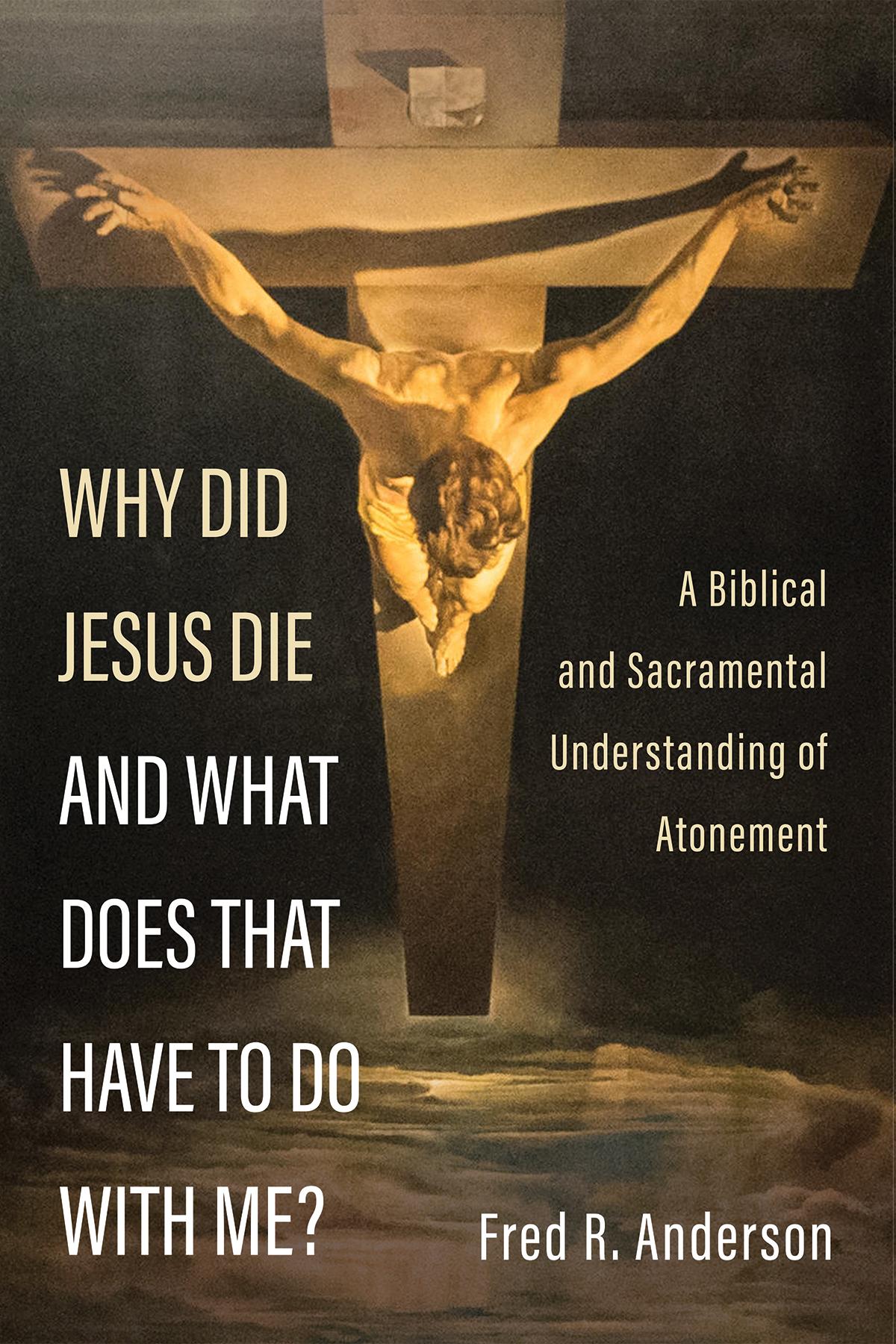
This book looks at atonement biblically, theologically, historically, and sacramentally. Biblically it is tied to Scripture's narrative of humanity's failure to fulfill God's intention and God's subsequent covenant with Abraham fulfilled in Jesus. Theologically, in Jesus the eternal Logos became incarnate to fulfill God's intention to deal with sin and begin again with a new creation. Jesus' death was not a payment for anything to anyone! It was the Triune God's non-violent way of absorbing, defeating, and overcoming sin and death for the world. Two chapters focus on sacrifice: how it functioned in Israel's life with God, how Paul and Hebrews use it, and how it thereafter took on pagan connotations. Historically, three chapters review the development of atonement theories through Gustav Aulen's Christus Victor. After reviewing atonement theologies of the last seventy-five years--especially feminist critiques of them--this retrieves Irenaeus and Athanasius, offering an understanding of atonement influenced by Baillie, Barth, Moltmann, Torrance, Von Balthazar, Tanner, and Weaver. Sacramentally, it describes how atonement is realized through the word, baptism, Eucharist, and prayer. Sacramental "atonement" nurtures those "in Christ" as members of God's new creation through Jesus' continuing high priestly ministry of atonement, until his final return.
Betal nemt med kort, Klarna, Apple Pay eller Google Pay. Ikke tilfreds? Du har altid 14 dages fortrydelsesret. Læs mere i vores vilkår. Har du spørgsmål, så send os en mail på hello@memmo.org.
Memmo gør det nemmere at studere – uanset hvor du er i verden. Hos os samler du dine kursusbøger og smarte studieværktøjer ét sted: resuméer, quizzer, podcasts og flashcards. Og så er der Ted, din studieven, der svarer på alt, du undrer dig over. Over 50 000 studerende studerer allerede her – bygget til at hjælpe dig med at lære hurtigere og stresse mindre.
Du kan måske også lide
Køb bogen0