
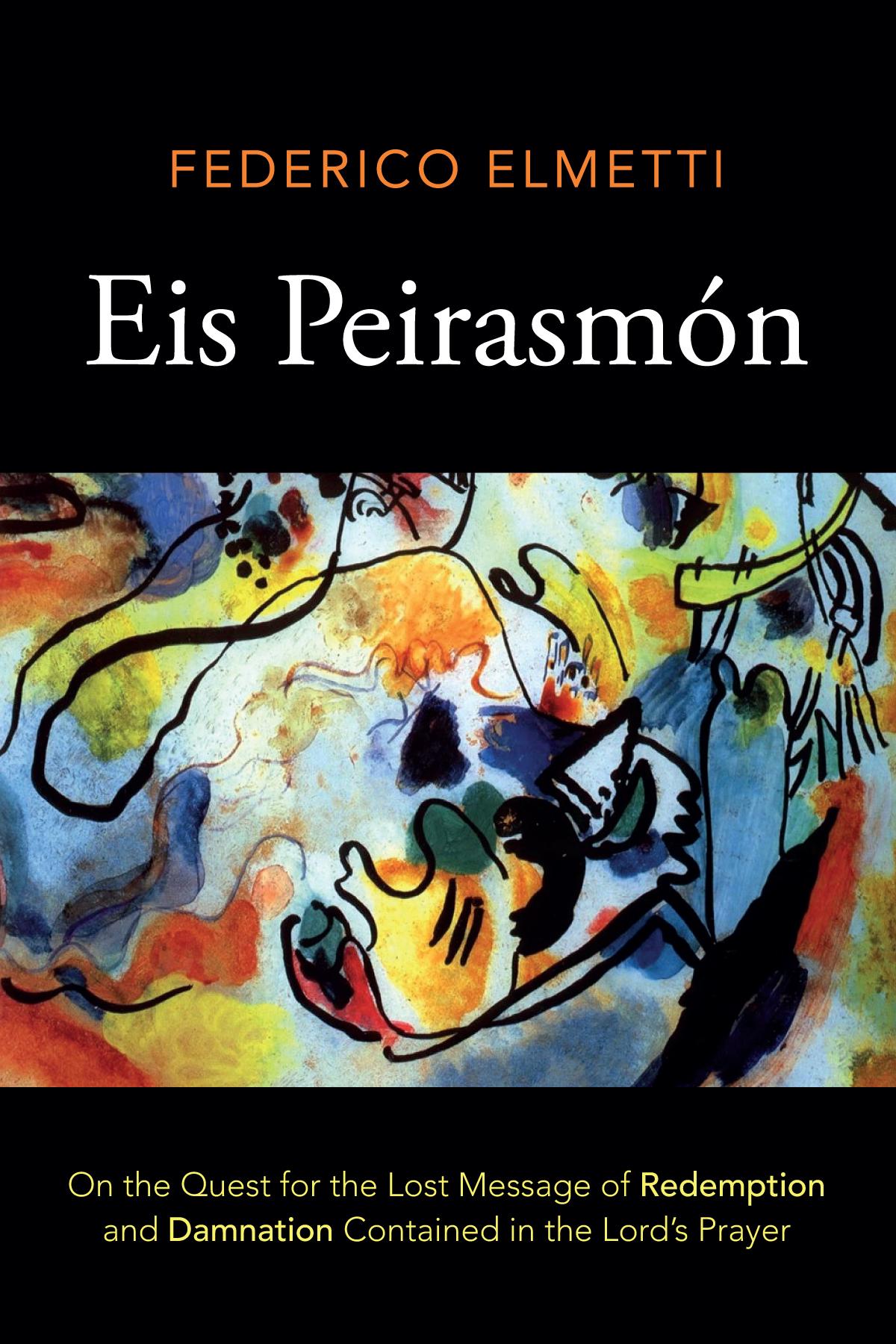
For the past two thousand years, theologians and biblical scholars have been furiously debating the correct interpretation of the sixth petition of the Lord's Prayer ("and lead us not into temptation"). Despite all the hypotheses proposed, no convincing solution has been found to date. In fact, every single attempt has crashed against insurmountable difficulties. Even within the church, the debate on this topic is far from settled. Recently, both France and Italy approved new translations that deviate substantially from the two-thousand-year-old traditional Latin version. Since God cannot be the one leading us into temptation (Satan is), it becomes necessary to reformulate the petition by hiding God's responsibility under convoluted permissive constructs. But can any of these interpretations have any exegetical justification? This book is an ambitious and reckless attempt--from the point of view of an outsider, of a theoretical physicist--to rethink the Lord's Prayer from the beginning, and with it, to come closer, if possible, to the authentic message of Christ. As a result of a rigorous, deductive, scientific approach that minimizes any hermeneutical bias, the meaning of the sixth petition will spontaneously emerge and appear to the reader in its simplicity and elegance.
Betal nemt med kort, Klarna, Apple Pay eller Google Pay. Ikke tilfreds? Du har altid 14 dages fortrydelsesret. Læs mere i vores vilkår. Har du spørgsmål, så send os en mail på hello@memmo.org.
Memmo gør det nemmere at studere – uanset hvor du er i verden. Hos os samler du dine kursusbøger og smarte studieværktøjer ét sted: resuméer, quizzer, podcasts og flashcards. Og så er der Ted, din studieven, der svarer på alt, du undrer dig over. Over 50 000 studerende studerer allerede her – bygget til at hjælpe dig med at lære hurtigere og stresse mindre.
Du kan måske også lide
Køb bogen0