
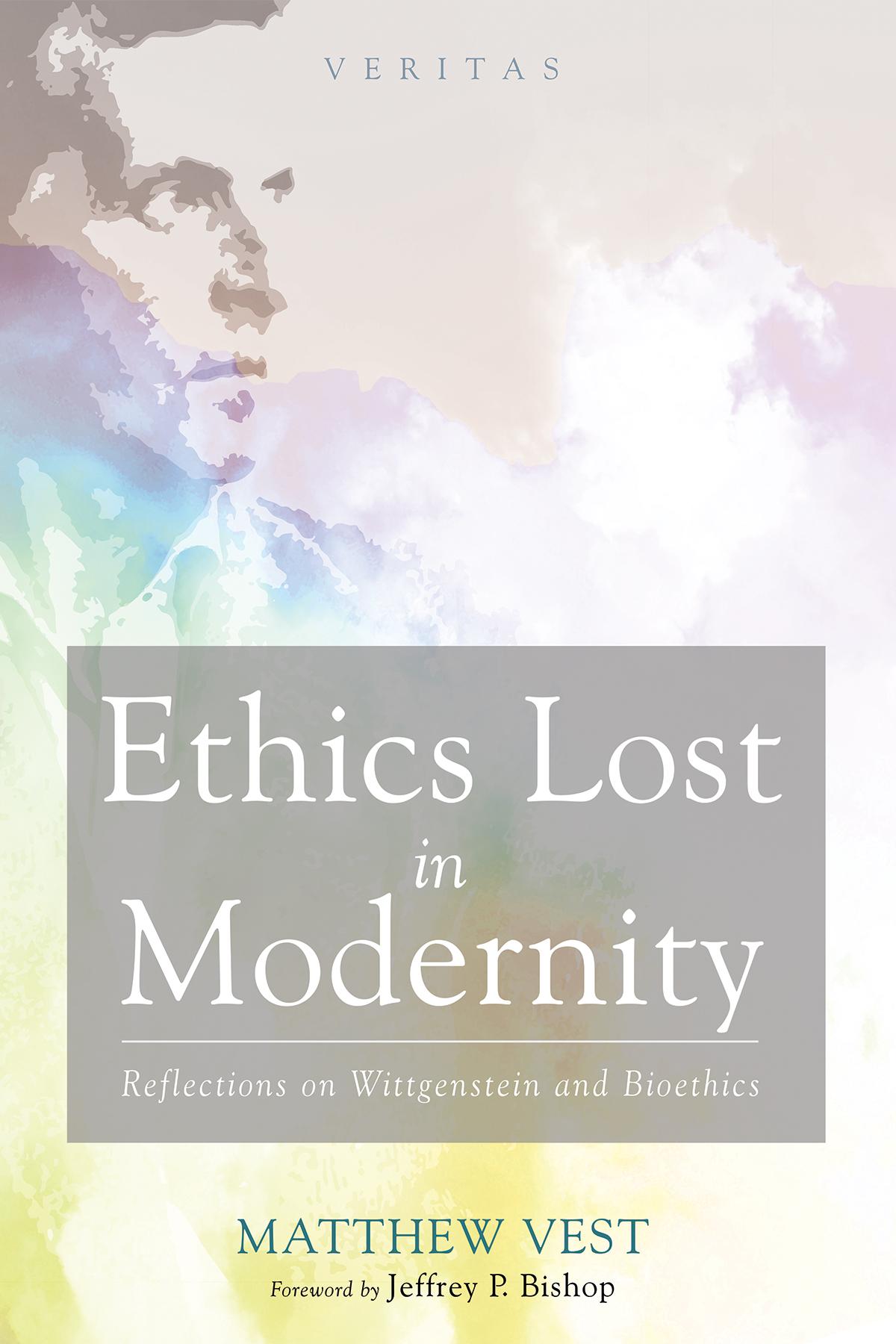
Ethics Lost in Modernity: Reflections on Wittgenstein and Bioethics turns to the philosopher Ludwig Wittgenstein as a guide to understand the immense success--yet great danger--of bioethics. Matthew Vest traces the story of bioethics since its inception in the late 1960s as a way to uncover a number of hidden assumptions within modern ethics that relies upon scientific theorizing as the fundamental way of thinking. Autonomy and utilitarianism, in particular, are two nearly unquestioned goals of scientific theorizing that are easily accessible, but at what cost? Vest argues that such an ethics enacts a thin moral calculation that runs the risk of enslaving ethics to scientism. Far from the depth of religious ethos and practices of virtue, modern ethics is lost amidst thin ethical theories, enacting a language game that instrumentalizes ethics in service of technological, bureaucratic, and professional end goals. He proposes that true moral living is far from anti-science, but rather is envisioned best when ethics and science are balanced with keen insights from ancient sacred cosmology.
Betal nemt med kort, Klarna, Apple Pay eller Google Pay. Ikke tilfreds? Du har altid 14 dages fortrydelsesret. Læs mere i vores vilkår. Har du spørgsmål, så send os en mail på hello@memmo.org.
Memmo gør det nemmere at studere – uanset hvor du er i verden. Hos os samler du dine kursusbøger og smarte studieværktøjer ét sted: resuméer, quizzer, podcasts og flashcards. Og så er der Ted, din studieven, der svarer på alt, du undrer dig over. Over 50 000 studerende studerer allerede her – bygget til at hjælpe dig med at lære hurtigere og stresse mindre.
Du kan måske også lide
Køb bogen0