
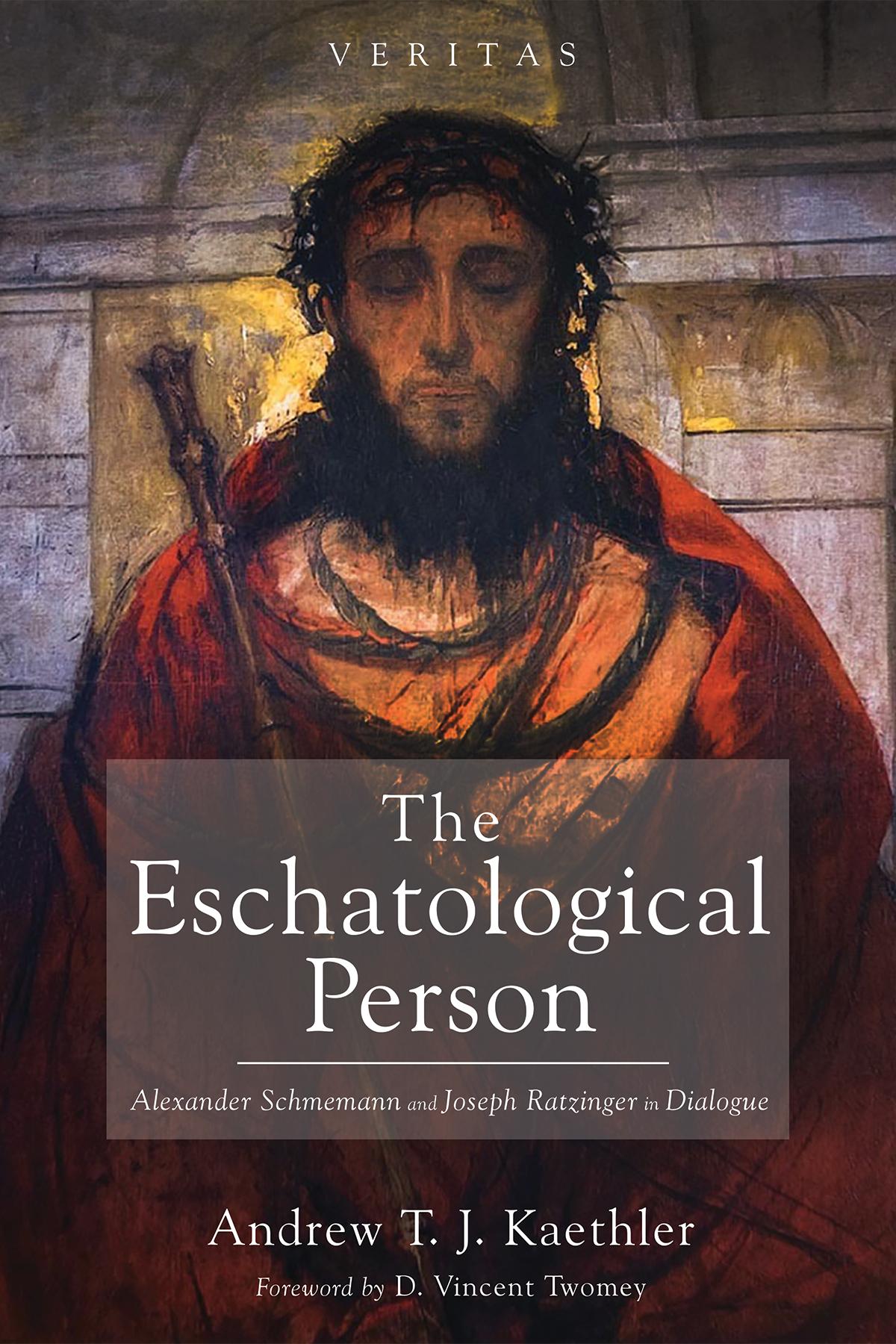
Both Alexander Schmemann and Joseph Ratzinger insist that the human person remains shrouded in mystery without God's self-disclosure in the person of Jesus Christ. Like us, Jesus lived in a particular time and location, and therefore time and temporality must be part of the ontological question of what it means to be a human person. Yet, Jesus, the one who has time for us, ascended to the Father, and the bride of Christ awaits his return, and therefore time and temporality are conditioned by the eschatological. With this in mind, the ontological question of personhood and temporality is a question that concerns eschatology: how does eschatology shape personhood? Bringing together Schmemann and Ratzinger in a theological dialogue for the first time, this book explores their respective approaches and answers to the aforementioned question. While the two theologians share much in common, it is only Ratzinger's relational ontological approach that, by being consistently relational from top to bottom, consistently preserves the meaningfulness of temporal existence.
Betal nemt med kort, Klarna, Apple Pay eller Google Pay. Ikke tilfreds? Du har altid 14 dages fortrydelsesret. Læs mere i vores vilkår. Har du spørgsmål, så send os en mail på hello@memmo.org.
Memmo gør det nemmere at studere – uanset hvor du er i verden. Hos os samler du dine kursusbøger og smarte studieværktøjer ét sted: resuméer, quizzer, podcasts og flashcards. Og så er der Ted, din studieven, der svarer på alt, du undrer dig over. Over 50 000 studerende studerer allerede her – bygget til at hjælpe dig med at lære hurtigere og stresse mindre.
Du kan måske også lide
Køb bogen0