
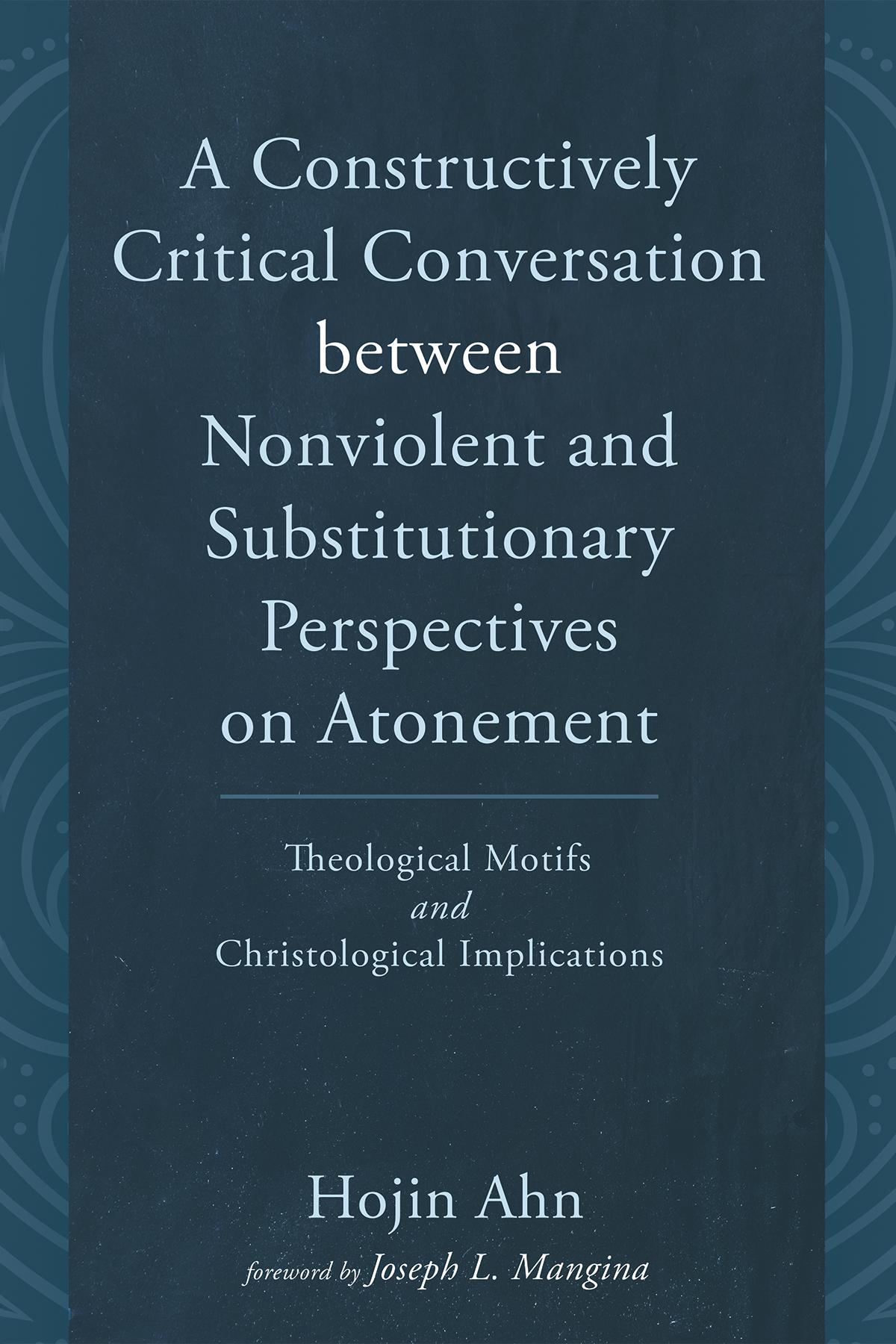
In the contemporary theological world, traditional substitutionary accounts of Christ's atoning work have increasingly come under criticism for what is said to be their propensity for encouraging violence by a variety of theologians such as feminists, pacifists, and Girardians. Cur deus homo?, the question about God's sovereign purpose in Christ's atoning work, is radically transposed into "who killed Jesus?" which is a provocative inquiry into the ethical issues surrounding divine violence from the nonviolent perspective of atonement. Nonetheless, in this monograph, contrary to their nonviolent intention, you will witness that Brock, Schwager, and Weaver violently damage a "holistic" dimension of atonement event under the human cause of the victim Jesus' crucifixion by evil.
By contrast, you will hear the harmonized voices of Anselm, Calvin, and Barth, who adamantly proclaim the incarnated Son of God's sovereignty in his self-giving death for our salvation. Furthermore, it is through the theological conversation between the opposite camps that you will realize how the anthropological motifs of healing, scapegoat mechanism, and nonviolence are to be constructively engaged with the Christological-cultic context of an evangelical doctrine of substitution. You will encounter the crux of Christ's saving death for us.
Betal nemt med kort, Klarna, Apple Pay eller Google Pay. Ikke tilfreds? Du har altid 14 dages fortrydelsesret. Læs mere i vores vilkår. Har du spørgsmål, så send os en mail på hello@memmo.org.
Memmo gør det nemmere at studere – uanset hvor du er i verden. Hos os samler du dine kursusbøger og smarte studieværktøjer ét sted: resuméer, quizzer, podcasts og flashcards. Og så er der Ted, din studieven, der svarer på alt, du undrer dig over. Over 50 000 studerende studerer allerede her – bygget til at hjælpe dig med at lære hurtigere og stresse mindre.
Du kan måske også lide
Køb bogen0