
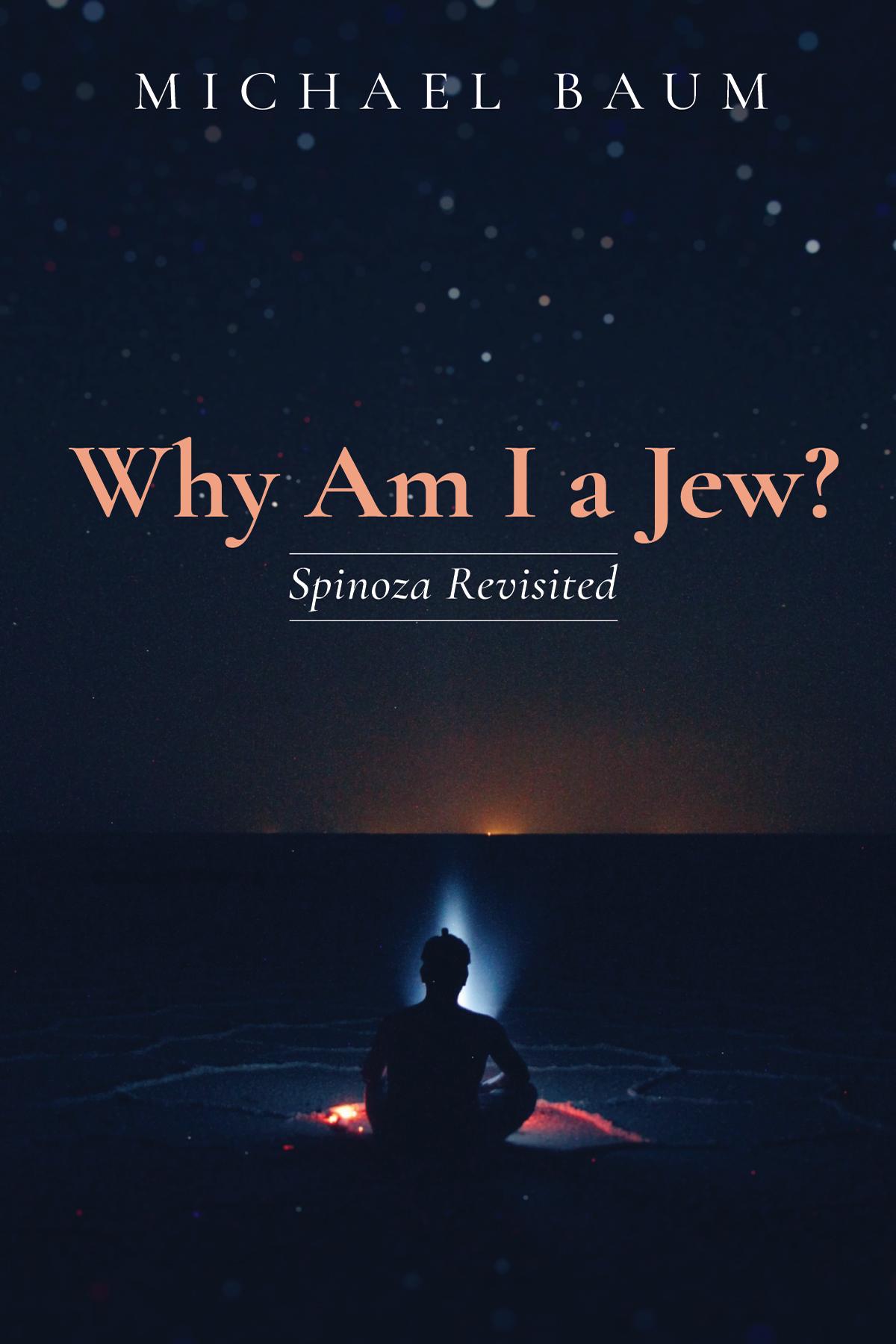
The book starts by considering mankind's role in the complex ecological system of our planet and then considers the place of mankind in the cosmos while also looking inward at our own microcosm. It then explains how these scientific insights lead to the ontological search for God. The good, the bad, and the ugly sides of religious beliefs are considered and it is suggested that we are looking for "God" in the wrong place. The book then explains a justification for the author's apparent cognitive dissonance of retaining a Jewish identity whilst denying the existence of a God with the attributes of man. The author then argues that we should look for "God" in the infinitely small spaces within ourselves instead of the infinitely large spaces of the universe. His "God" would not mind whether individuals believed in "him" or not, so long as they practiced their life as the author practices his medicine: in a never-ending quest to improve the length and quality of the lives of his patients. This book should improve the reader's knowledge of the philosophers who wrote on the ontology of God. It also rediscovers that Baruch Spinoza had already reached the conclusions of modern-day thinkers more than 350 years ago.
Betal nemt med kort, Klarna, Apple Pay eller Google Pay. Ikke tilfreds? Du har altid 14 dages fortrydelsesret. Læs mere i vores vilkår. Har du spørgsmål, så send os en mail på hello@memmo.org.
Memmo gør det nemmere at studere – uanset hvor du er i verden. Hos os samler du dine kursusbøger og smarte studieværktøjer ét sted: resuméer, quizzer, podcasts og flashcards. Og så er der Ted, din studieven, der svarer på alt, du undrer dig over. Over 50 000 studerende studerer allerede her – bygget til at hjælpe dig med at lære hurtigere og stresse mindre.
Du kan måske også lide
Køb bogen0