
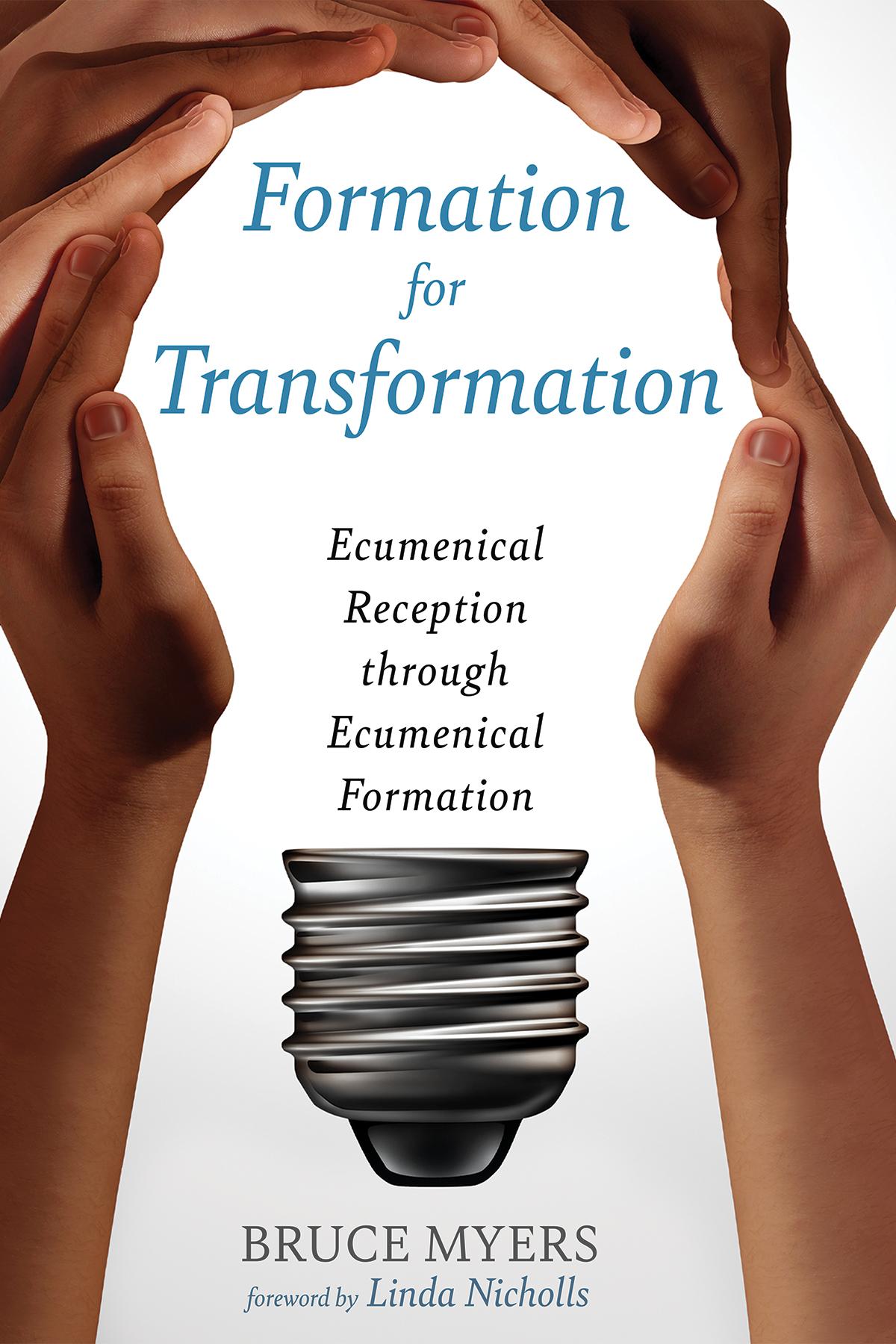
In the past century the ecumenical movement has made extraordinary efforts in healing the wounds of division in the body of Christ--the church. However, in their formal preparation for ministry, many clergy learn little or nothing about the achievements, methods, or implications of ecumenism. This failure to adequately educate and inspire successive generations of Christian leaders about the quest for the church's visible unity risks not only an irretrievable loss of ecumenical memory, but also a return to a time in which ignorance, fear, mistrust, suspicion, stereotypes, caricatures, recrimination, anathematization--even persecution--characterized the relations between divided churches. Drawing on decades of reflection on ecumenical reception and formation, and using the Anglican Church of Canada as a model, this book presents an approach to teaching the practical and theological aspects of ecumenism in a way that is both holistic and pragmatic and offers the potential to raise up a new generation of church leaders who are also agents of reconciliation and Christian unity.
Betal nemt med kort, Klarna, Apple Pay eller Google Pay. Ikke tilfreds? Du har altid 14 dages fortrydelsesret. Læs mere i vores vilkår. Har du spørgsmål, så send os en mail på hello@memmo.org.
Memmo gør det nemmere at studere – uanset hvor du er i verden. Hos os samler du dine kursusbøger og smarte studieværktøjer ét sted: resuméer, quizzer, podcasts og flashcards. Og så er der Ted, din studieven, der svarer på alt, du undrer dig over. Over 50 000 studerende studerer allerede her – bygget til at hjælpe dig med at lære hurtigere og stresse mindre.
Du kan måske også lide
Køb bogen0