
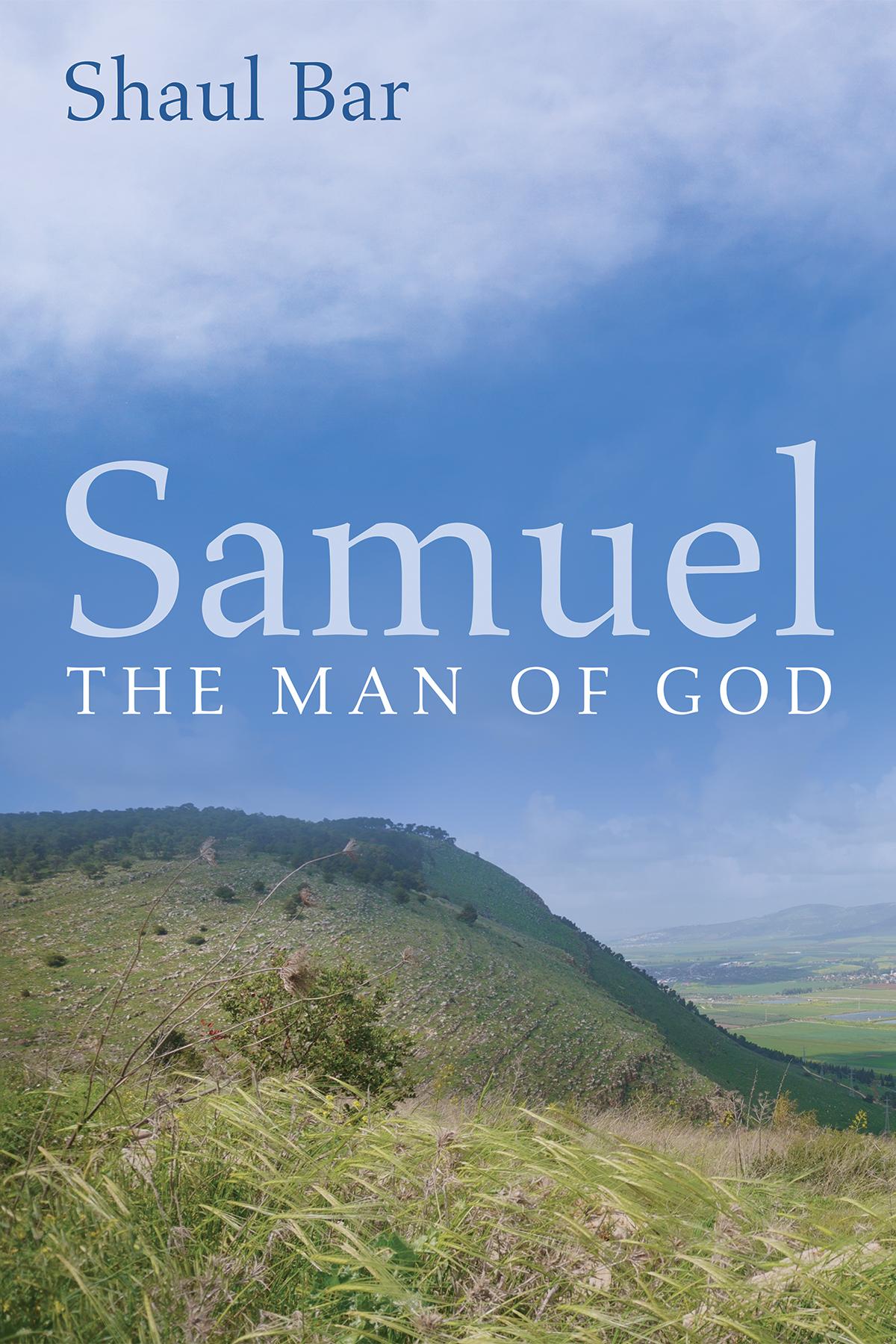
Samuel, the man of God, was instrumental in the transition of a loose confederacy of Hebrew tribes to a centralized monarchy. The book of Samuel starts with his birth and ends with Saul's death on Mount Gilboa. The character of Samuel, who has been equally compared to Moses and Aaron, serves as a link between the various stories. In two major speeches Samuel rejects the idea of monarchy; still, as a loyal servant of the Lord, he anoints Saul as the first king of Israel and later, he anoints David. Why did Samuel vehemently reject the idea of kingship? Did Samuel have his own agenda, and was his opposition to the monarchy motivated by his own personal aspiration? There are several titles that label him: priest, prophet, seer, judge, and "the man of God." Who was Samuel? Nowhere else in the Hebrew Bible is there a description of a person such as Samuel, who was raised from the grave and delivered a message of doom. Readers of this volume will rediscover Samuel through a better understanding of achievements and failures.
Betal nemt med kort, Klarna, Apple Pay eller Google Pay. Ikke tilfreds? Du har altid 14 dages fortrydelsesret. Læs mere i vores vilkår. Har du spørgsmål, så send os en mail på hello@memmo.org.
Memmo gør det nemmere at studere – uanset hvor du er i verden. Hos os samler du dine kursusbøger og smarte studieværktøjer ét sted: resuméer, quizzer, podcasts og flashcards. Og så er der Ted, din studieven, der svarer på alt, du undrer dig over. Over 50 000 studerende studerer allerede her – bygget til at hjælpe dig med at lære hurtigere og stresse mindre.
Du kan måske også lide
Køb bogen0