
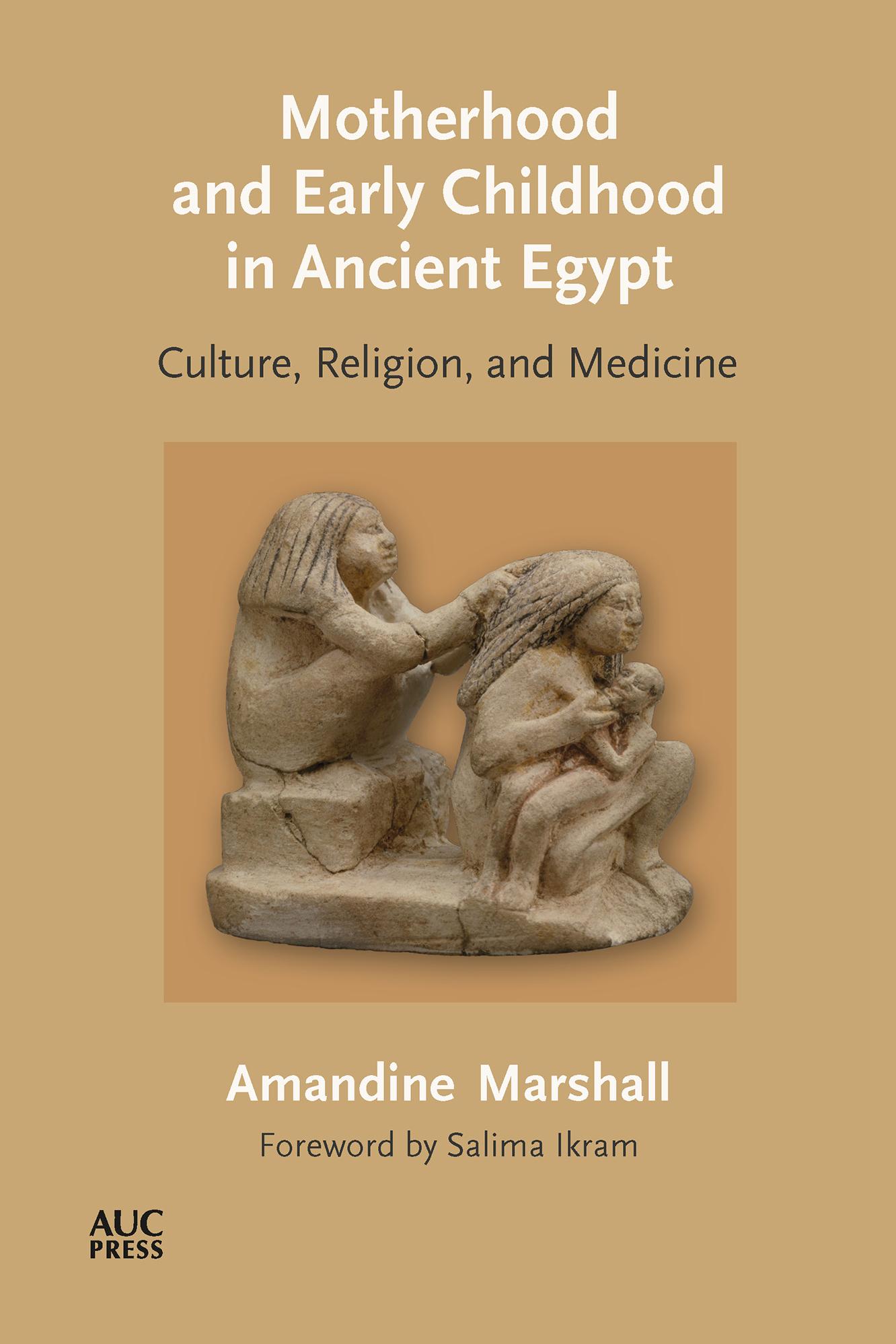
"A masterpiece of seminal, meticulous, and groundbreaking scholarship."—Midwest Book Review
A richly nuanced analysis of how ancient Egyptian society regarded and dealt with pregnancy, mothers, birth, and children
In ancient Egypt, a woman’s primary role was that of mother, and as such she ensured her place within both her household and her community. And so, gods, doctor-magicians, as well as ghosts were all called upon to help the woman become pregnant.
Pregnancy was not without risks, and the many tests, prescriptions, and spells that have survived to this day help us to understand obstetrics as it was practiced in those distant times. Once the woman had eluded the ill will of Seth—who was held responsible for miscarriages—and had reached her term, she was faced with the much awaited and yet also feared moment of birth. The successful delivery of a child into the world was seen as a gift of the gods, but it did not mean that the parent’s worries were over. Indeed, it has been estimated that a third of all children did not reach the age of five years despite the combined efforts of parents and doctor-magicians to protect them.
Amandine Marshall draws upon a wealth of sources, including texts, images, iconography, artefacts, and children’s bodies themselves, as well as medicine, anthropology, and ethnography, to examine these issues and more, and in doing so sheds unprecedented light on the experience of maternity and early childhood in ancient Egypt.
Betal nemt med kort, Klarna, Apple Pay eller Google Pay. Ikke tilfreds? Du har altid 14 dages fortrydelsesret. Læs mere i vores vilkår. Har du spørgsmål, så send os en mail på hello@memmo.org.
Memmo gør det nemmere at studere – uanset hvor du er i verden. Hos os samler du dine kursusbøger og smarte studieværktøjer ét sted: resuméer, quizzer, podcasts og flashcards. Og så er der Ted, din studieven, der svarer på alt, du undrer dig over. Over 50 000 studerende studerer allerede her – bygget til at hjælpe dig med at lære hurtigere og stresse mindre.