
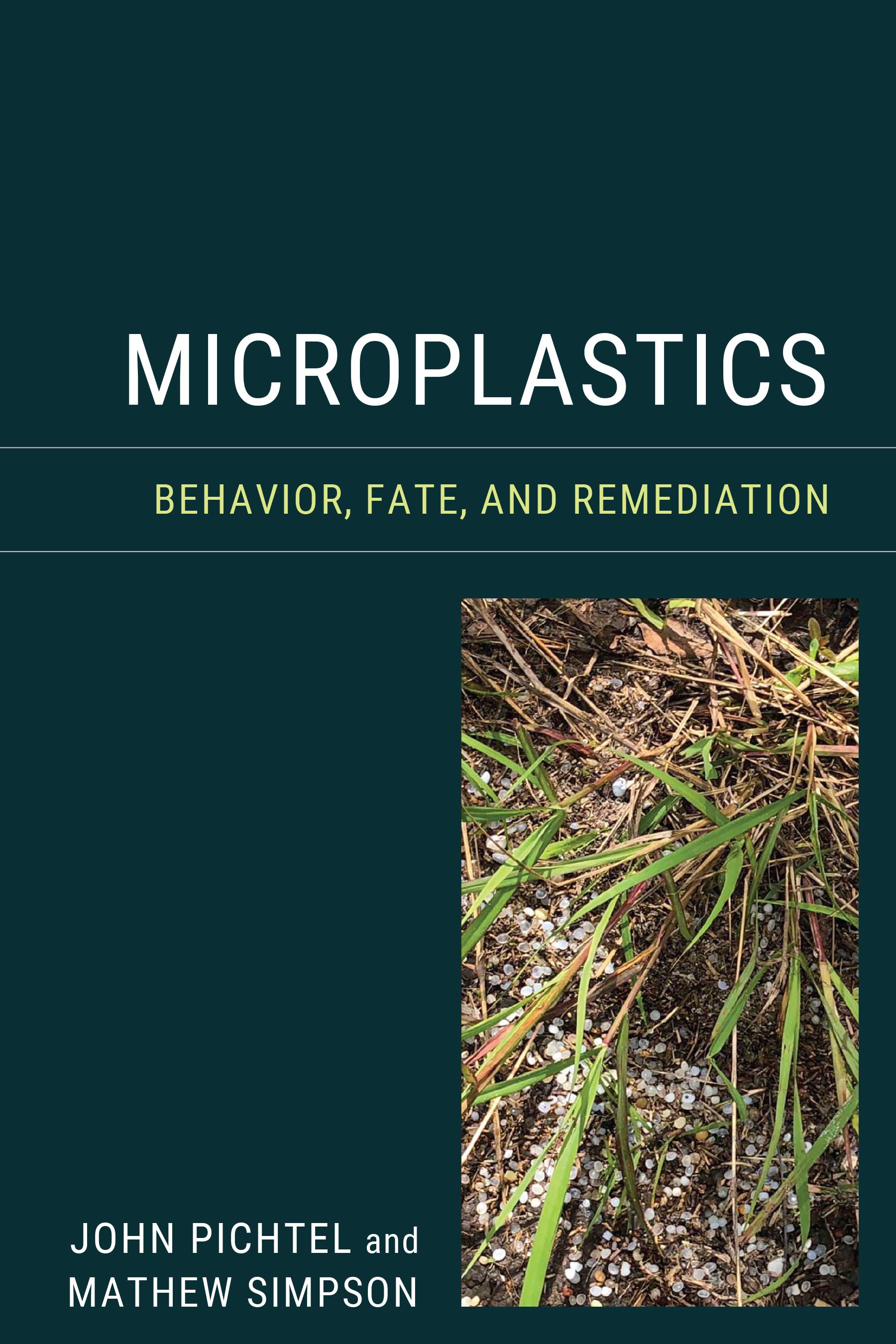
An in-depth look at what microplastics are, how prevalent they are, and what can be done about them for a professional and academic audience.
The first part of the book provides an overview of plastics types, how they are released to the environment, and how they interact with organisms. This part also provides a background for several salient aspects of microplastics hazards (e.g., attachment of toxic chemicals, toxicity to organisms). Special attention will be paid to how microplastics decompose in the environment (which is significant in terms of mobility of toxicity). Subsequent chapters address how to sample and identify microplastics. The second part of the book examines technologies for removal of microplastics from water, wastewater, and soil. Biological, chemical, and physical technologies are presented--technologies that can destroy minute plastics or convert them into benign products. Theory of operation, practical considerations, and possible environmental impacts of their use are discussed.
Key aspects include:
* technologies available for removal of microplastics from wastewater and surface water;
* how various toxins which are sorbed to microplastics adversely affect wastewater treatment processes;
* technologies at the pilot- and field stage for removal of microplastics from sediment; and
* the distribution of microplastics in the atmosphere.
Written by John Pichtel, author of the acclaimed Fundamentals of Site Remediation, and Mathew Simpson.
The first part of the book provides an overview of plastics types, how they are released to the environment, and how they interact with organisms. This part also provides a background for several salient aspects of microplastics hazards (e.g., attachment of toxic chemicals, toxicity to organisms). Special attention will be paid to how microplastics decompose in the environment (which is significant in terms of mobility of toxicity). Subsequent chapters address how to sample and identify microplastics. The second part of the book examines technologies for removal of microplastics from water, wastewater, and soil. Biological, chemical, and physical technologies are presented--technologies that can destroy minute plastics or convert them into benign products. Theory of operation, practical considerations, and possible environmental impacts of their use are discussed.
Key aspects include:
* technologies available for removal of microplastics from wastewater and surface water;
* how various toxins which are sorbed to microplastics adversely affect wastewater treatment processes;
* technologies at the pilot- and field stage for removal of microplastics from sediment; and
* the distribution of microplastics in the atmosphere.
Written by John Pichtel, author of the acclaimed Fundamentals of Site Remediation, and Mathew Simpson.
Betal nemt med kort, Klarna, Apple Pay eller Google Pay. Ikke tilfreds? Du har altid 14 dages fortrydelsesret. Læs mere i vores vilkår. Har du spørgsmål, så send os en mail på hello@memmo.org.
Memmo gør det nemmere at studere – uanset hvor du er i verden. Hos os samler du dine kursusbøger og smarte studieværktøjer ét sted: resuméer, quizzer, podcasts og flashcards. Og så er der Ted, din studieven, der svarer på alt, du undrer dig over. Over 50 000 studerende studerer allerede her – bygget til at hjælpe dig med at lære hurtigere og stresse mindre.