
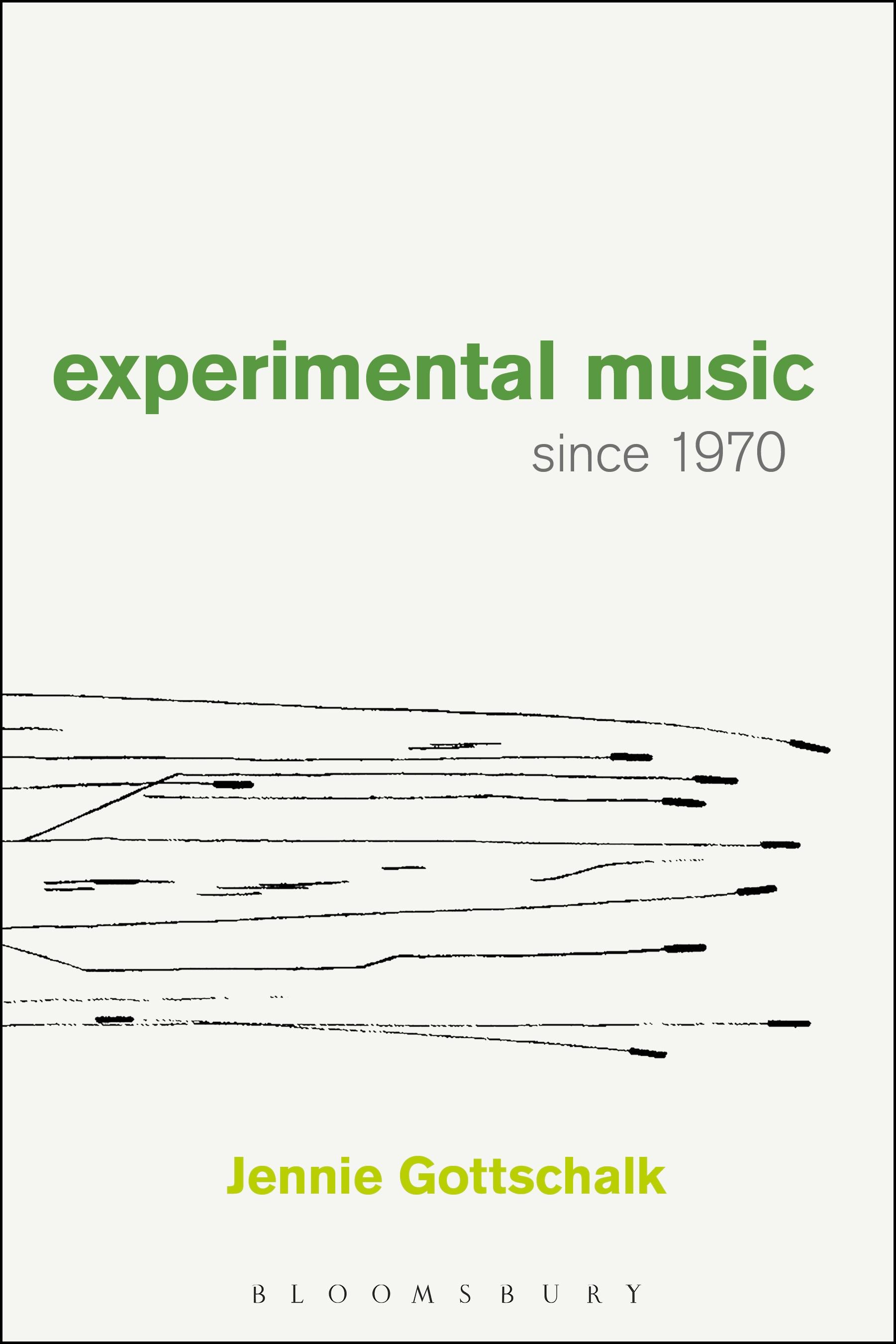
What is experimental music today? This book offers an up to date survey of this field for anyone with an interest, from seasoned practitioners to curious readers. This book takes the stance that experimental music is not a limited historical event, but is a proliferation of approaches to sound that reveals much about present-day experience. An experimental work is not identifiable by its sound alone, but by the nature of the questions it poses and its openness to the sounding event.
Experimentation is a way of working. It pushes past that which is known to discover what lies beyond it, finding new knowledge, forms, and relationships, or accepting a state of uncertainty. For each of these composers and sound artists, craft is developed and transformed in response to the questions they bring to their work. Scientific, perceptual, or social phenomena become catalysts in the operation of the work.
These practices are not presented according to a chronology, a set of techniques, or social groupings. Instead, they are organized according to the content areas that are their subjects, including resonance, harmony, objects, shapes, perception, language, interaction, sites, and histories. Musical materials may be subject, among other treatments, to systemization, observation, examination, magnification, fragmentation, translation, or destabilization. These restless and exploratory modes of engagement have continued to develop over recent decades, expanding the scope of both musical practice and listening.
Experimentation is a way of working. It pushes past that which is known to discover what lies beyond it, finding new knowledge, forms, and relationships, or accepting a state of uncertainty. For each of these composers and sound artists, craft is developed and transformed in response to the questions they bring to their work. Scientific, perceptual, or social phenomena become catalysts in the operation of the work.
These practices are not presented according to a chronology, a set of techniques, or social groupings. Instead, they are organized according to the content areas that are their subjects, including resonance, harmony, objects, shapes, perception, language, interaction, sites, and histories. Musical materials may be subject, among other treatments, to systemization, observation, examination, magnification, fragmentation, translation, or destabilization. These restless and exploratory modes of engagement have continued to develop over recent decades, expanding the scope of both musical practice and listening.
Betal nemt med kort, Klarna, Apple Pay eller Google Pay. Ikke tilfreds? Du har altid 14 dages fortrydelsesret. Læs mere i vores vilkår. Har du spørgsmål, så send os en mail på hello@memmo.org.
Memmo gør det nemmere at studere – uanset hvor du er i verden. Hos os samler du dine kursusbøger og smarte studieværktøjer ét sted: resuméer, quizzer, podcasts og flashcards. Og så er der Ted, din studieven, der svarer på alt, du undrer dig over. Over 50 000 studerende studerer allerede her – bygget til at hjælpe dig med at lære hurtigere og stresse mindre.