
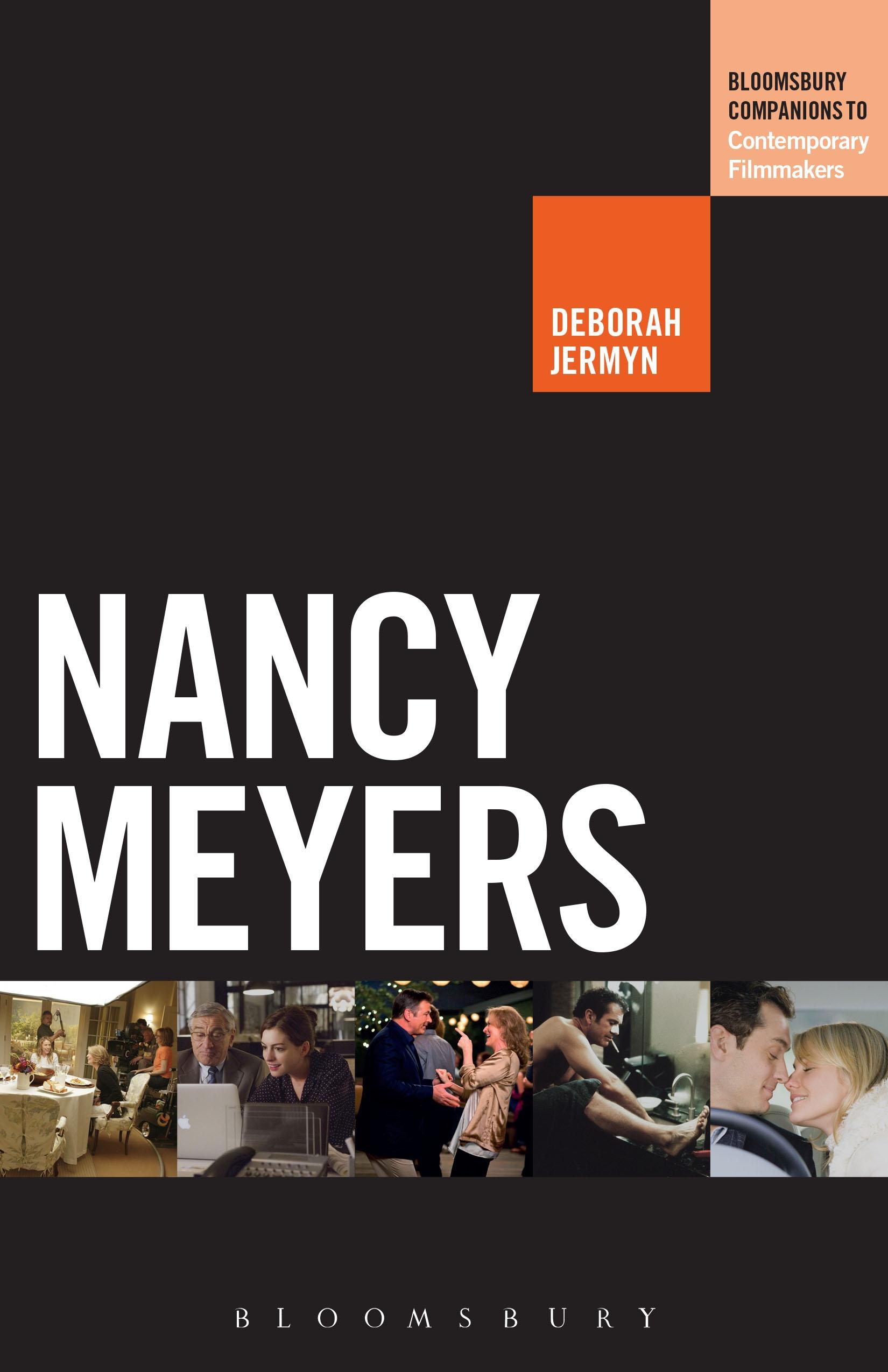
Nancy Meyers is acknowledged as the most commercially successful woman filmmaker of all time, described by Daphne Merkin in The New York Times on the release of It's Complicated as "a singular figure in Hollywood – [she] may, in fact, be the most powerful female writer-director-producer currently working". Yet Meyers remains a director who, alongside being widely dismissed by critics, has been largely absent in scholarly accounts both of contemporary Hollywood cinema, and of feminism and film. Despite Meyers' impressive track record for turning a profit (including the biggest box-office return ever achieved by a woman filmmaker at that timefor What Women Want in 2000), and a multifaceted career as a writer/producer/director dating back to her co-writing Private Benjamin in 1980, Meyers has been oddly neglected by Film Studies to date.
Including Nancy Meyers in the Bloomsbury Companions to Contemporary Filmmakers rectifies this omission, giving her the kind of detailed consideration and recognition she warrants and exploring how, notwithstanding the challenges authorship holds for feminist film studies, Meyers can be situated as a skilled 'auteur'. This book proposes that Meyers' box-office success, the consistency of style and theme across her films, and the breadth of her body of work as a writer/producer/director across more than three decades at the forefront of Hollywood, (thus importantly bridging the second/third waves of feminism) make her a key contemporary US filmmaker. Structured to meet the needs of both the student and scholar, Jermyn's volume situates Meyers within this historical and critical context, exploring the distinctive qualities of her body of work, the reasons behind the pervasive resistance to it and new ways of understanding her films.
Including Nancy Meyers in the Bloomsbury Companions to Contemporary Filmmakers rectifies this omission, giving her the kind of detailed consideration and recognition she warrants and exploring how, notwithstanding the challenges authorship holds for feminist film studies, Meyers can be situated as a skilled 'auteur'. This book proposes that Meyers' box-office success, the consistency of style and theme across her films, and the breadth of her body of work as a writer/producer/director across more than three decades at the forefront of Hollywood, (thus importantly bridging the second/third waves of feminism) make her a key contemporary US filmmaker. Structured to meet the needs of both the student and scholar, Jermyn's volume situates Meyers within this historical and critical context, exploring the distinctive qualities of her body of work, the reasons behind the pervasive resistance to it and new ways of understanding her films.
Betal nemt med kort, Klarna, Apple Pay eller Google Pay. Ikke tilfreds? Du har altid 14 dages fortrydelsesret. Læs mere i vores vilkår. Har du spørgsmål, så send os en mail på hello@memmo.org.
Memmo gør det nemmere at studere – uanset hvor du er i verden. Hos os samler du dine kursusbøger og smarte studieværktøjer ét sted: resuméer, quizzer, podcasts og flashcards. Og så er der Ted, din studieven, der svarer på alt, du undrer dig over. Over 50 000 studerende studerer allerede her – bygget til at hjælpe dig med at lære hurtigere og stresse mindre.