
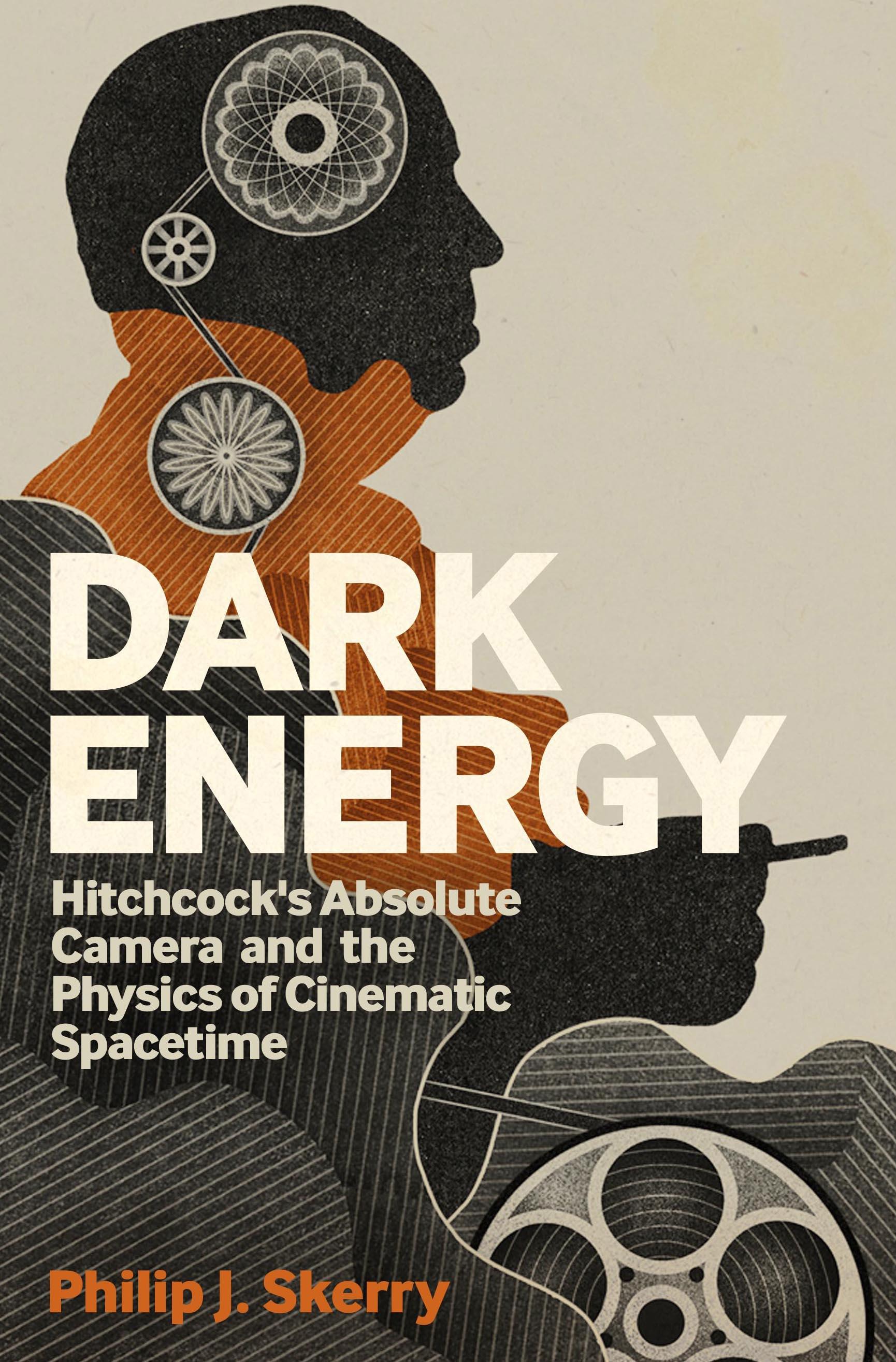
Alfred Hitchcock and the cinema grew up together. Born in 1899, four years after the first 'official' film showing in Paris, Hitchcock demonstrated an early fascination with the new art of the cinema. He entered the film industry in 1920, and by 1925, he had directed his first feature-length film, The Pleasure Garden. His subsequent film career paralleled the phenomenal growth of the film industry during the years 1925-1976, the year of his last film. In the same way, Hitchcock's films are consonant with the revolutionary theories in the fields of physics and cosmology that were transforming the twentieth century, personified by the genius of Albert Einstein.
Philip Skerry's book applies the theories of dark energy, entropy, black holes, and quantum mechanics to Hitchcock's technological genius and camera aesthetics, helping to explain the concept of 'pure cinema' and providing verification for its remarkable power. Including interviews with influential physicists, this study opens up new ways of analyzing Hitchcock's art.
Philip Skerry's book applies the theories of dark energy, entropy, black holes, and quantum mechanics to Hitchcock's technological genius and camera aesthetics, helping to explain the concept of 'pure cinema' and providing verification for its remarkable power. Including interviews with influential physicists, this study opens up new ways of analyzing Hitchcock's art.
Betal nemt med kort, Klarna, Apple Pay eller Google Pay. Ikke tilfreds? Du har altid 14 dages fortrydelsesret. Læs mere i vores vilkår. Har du spørgsmål, så send os en mail på hello@memmo.org.
Memmo gør det nemmere at studere – uanset hvor du er i verden. Hos os samler du dine kursusbøger og smarte studieværktøjer ét sted: resuméer, quizzer, podcasts og flashcards. Og så er der Ted, din studieven, der svarer på alt, du undrer dig over. Over 50 000 studerende studerer allerede her – bygget til at hjælpe dig med at lære hurtigere og stresse mindre.