
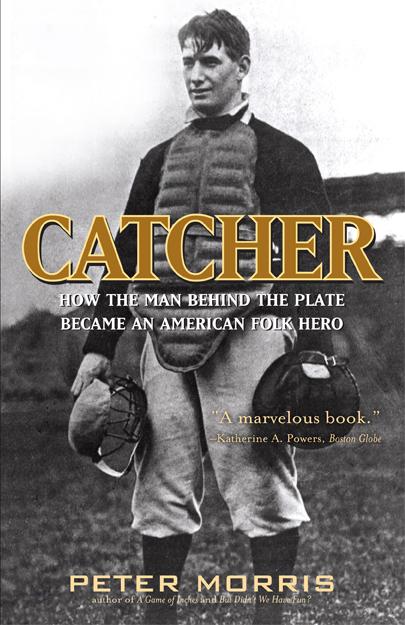
Today the baseball catcher is a familiar but uninspiring figure. Decked out in the so-called tools of ignorance, he stolidly goes about his duty without attracting much attention. But it wasn't always that way, as Peter Morris shows in this lively and original study. In baseball's early days, catchers stood a safe distance behind the batter. Then the introduction of the curveball in the 1870s led them to move up directly behind home plate, even though they still wore no gloves or protective equipment. Extraordinary courage became the catcher's most notable requirement, but the new positioning also demanded that the catcher have lightning-fast reflexes, great hands, and a cannon for a throwing arm.
Betal nemt med kort, Klarna, Apple Pay eller Google Pay. Ikke tilfreds? Du har altid 14 dages fortrydelsesret. Læs mere i vores vilkår. Har du spørgsmål, så send os en mail på hello@memmo.org.
Memmo gør det nemmere at studere – uanset hvor du er i verden. Hos os samler du dine kursusbøger og smarte studieværktøjer ét sted: resuméer, quizzer, podcasts og flashcards. Og så er der Ted, din studieven, der svarer på alt, du undrer dig over. Over 50 000 studerende studerer allerede her – bygget til at hjælpe dig med at lære hurtigere og stresse mindre.