
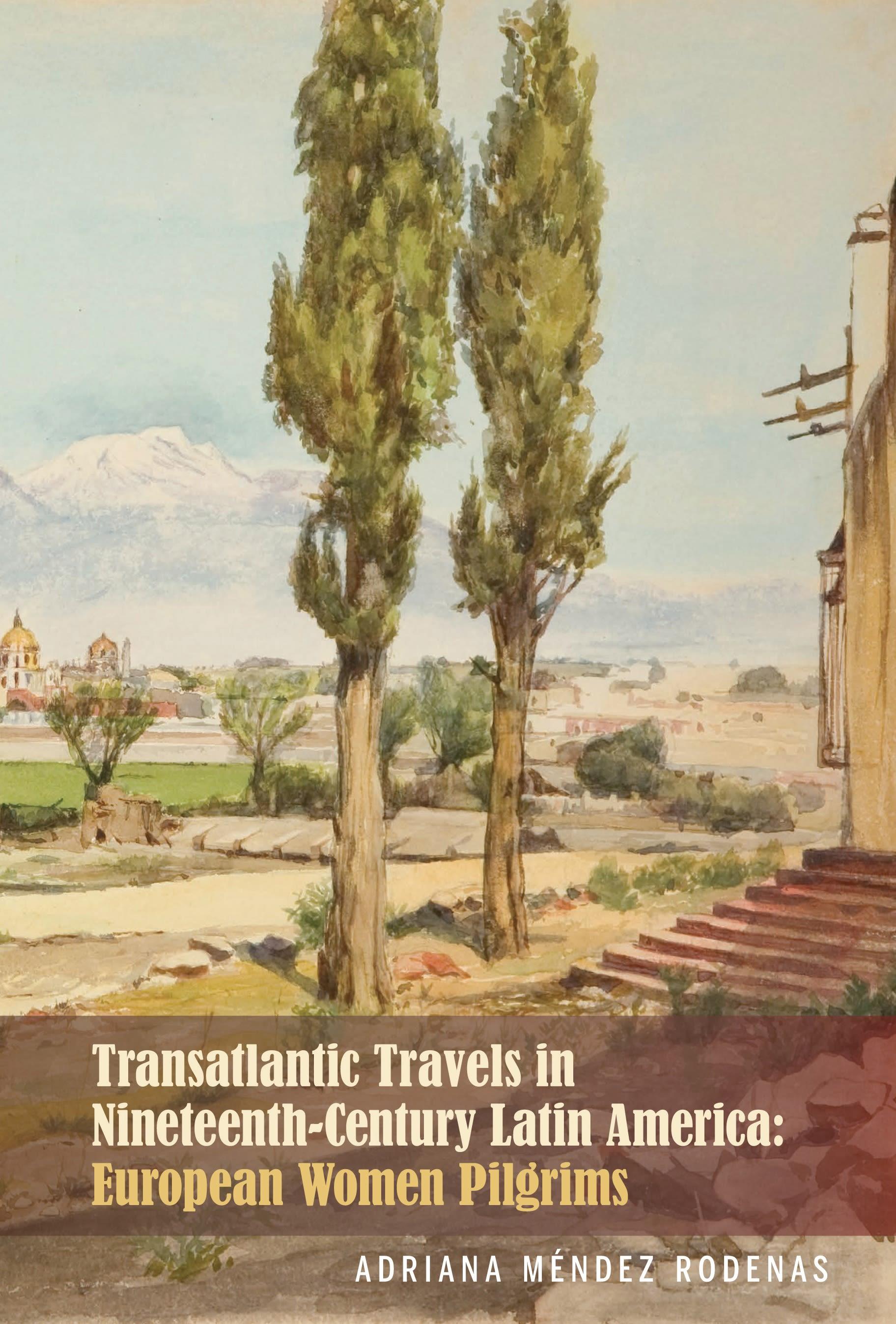
Transatlantic Travels in Nineteenth-Century Latin America: European Women Pilgrims retraces the steps of five intrepid “lady travelers” who ventured into the geography of the New World—Mexico, the Southern Cone, Brazil, and the Caribbean—at a crucial historical juncture, the period of political anarchy following the break from Spain and the rise of modernity at the turn of the twentieth century. Traveling as historians, social critics, ethnographers, and artists, Frances Erskine Inglis (1806–82), Maria Graham (1785–1842), Flora Tristan (1803–44), Fredrika Bremer (1801–65), and Adela Breton (1849–1923) reshaped the map of nineteenth-century Latin America. Organized by themes rather than by individual authors, this book examines European women’s travels as a spectrum of narrative discourses, ranging from natural history, history, and ethnography. Women’s social condition becomes a focal point of their travels. By combining diverse genres and perspectives, women’s travel writing ushers a new vision of post-independence societies. The trope of pilgrimage conditions the female travel experience, which suggests both the meta-end of the journey as well as the broader cultural frame shaping their individual itineraries.
Betal nemt med kort, Klarna, Apple Pay eller Google Pay. Ikke tilfreds? Du har altid 14 dages fortrydelsesret. Læs mere i vores vilkår. Har du spørgsmål, så send os en mail på hello@memmo.org.
Memmo gør det nemmere at studere – uanset hvor du er i verden. Hos os samler du dine kursusbøger og smarte studieværktøjer ét sted: resuméer, quizzer, podcasts og flashcards. Og så er der Ted, din studieven, der svarer på alt, du undrer dig over. Over 50 000 studerende studerer allerede her – bygget til at hjælpe dig med at lære hurtigere og stresse mindre.