
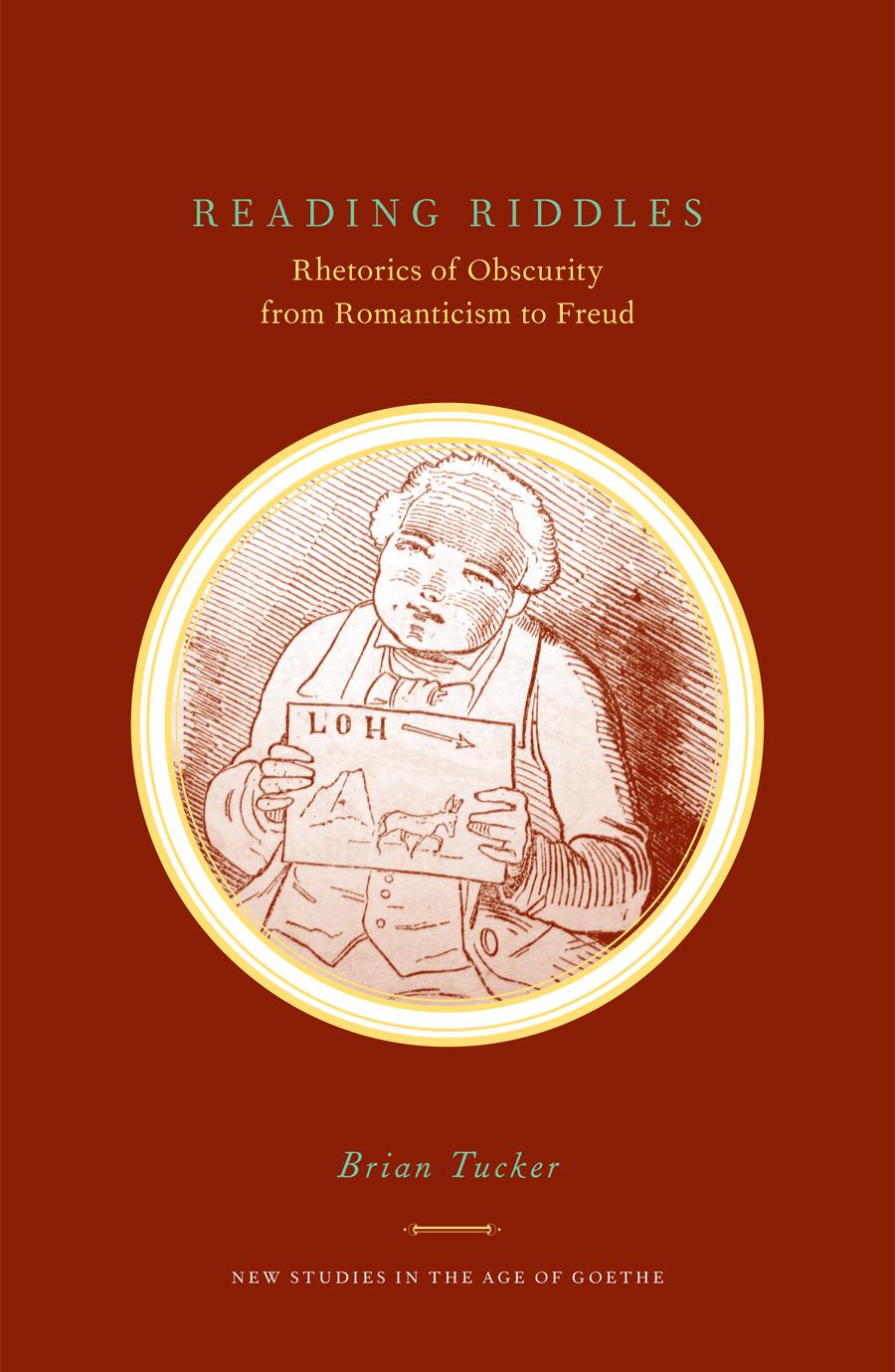
Reading Riddles: Rhetorics of Obscurity from Romanticism to Freud explores how the riddle becomes a figure for reading and writing in early German Romanticism and how this model then enables Sigmund Freud's approach to the psyche. It traces a migration of ideas from literature to psychoanalysis and argues that the relationship between them must be situated at the methodological level. Through readings of texts by August Wilhelm, Friedrich Schlegel, G.W.F. Hegel, and Ludwig Tieck Reading Riddles documents how the Romantics expand the field of poetic signification to include obscure, distorted signs and how they applied this rhetoric of obscurity to the self. The book argues that this model of self and signification plays a central role in the formulation of Freud's psychoanalytic theory. If the self is a riddle, as many in the nineteenth century claim, Freud takes the figure seriously and interprets the mind according to all the structures and techniques of that textual genre.
Betal nemt med kort, Klarna, Apple Pay eller Google Pay. Ikke tilfreds? Du har altid 14 dages fortrydelsesret. Læs mere i vores vilkår. Har du spørgsmål, så send os en mail på hello@memmo.org.
Memmo gør det nemmere at studere – uanset hvor du er i verden. Hos os samler du dine kursusbøger og smarte studieværktøjer ét sted: resuméer, quizzer, podcasts og flashcards. Og så er der Ted, din studieven, der svarer på alt, du undrer dig over. Over 50 000 studerende studerer allerede her – bygget til at hjælpe dig med at lære hurtigere og stresse mindre.