
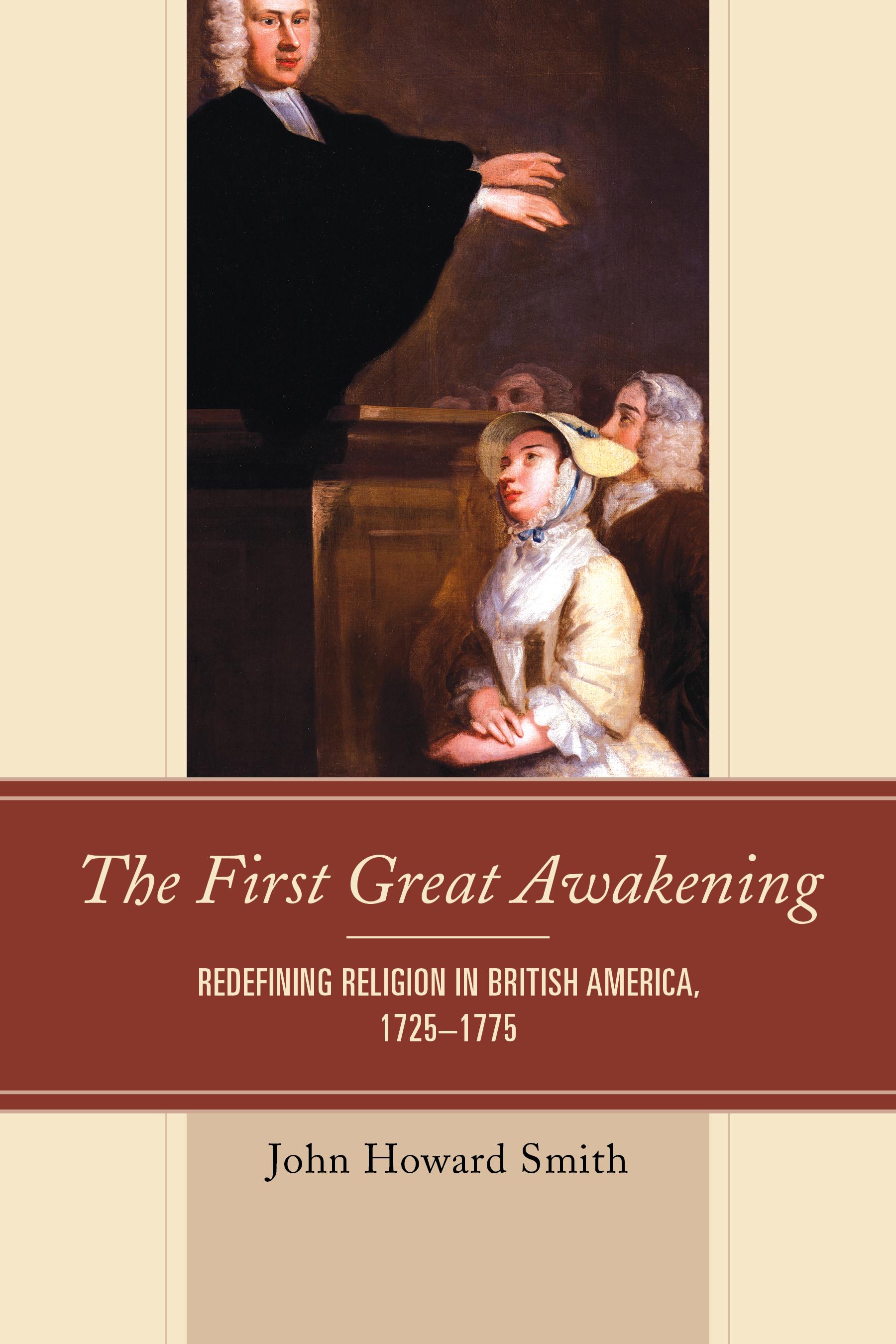
The First Great Awakening, an unprecedented surge in Protestant Christian revivalism in the Eighteenth Century, sparked enormous of controversy at the time and has been a source of scholarly debate ever since. Few historians have sought to write a synthetic history of the First Great Awakening, and in recent decades it has been challenged as having happened at all, being either an exaggeration or an “invention.” The First Great Awakening expands the movement’s geographical, theological, and sociopolitical scope. Rather than focus exclusively on the clerical elites, as earlier studies have done, it deals with them alongside ordinary people, and includes the experiences of women, African Americans, and Indians as the observers and participants they were. It challenges prevailing scholarly opinion concerning what the revivals were and what they meant to the formation of American religious identity and culture.
Cover image: NPG 131, George Whitefield by John Wollaston, oil on canvas, circa 1742. © National Portrait Gallery, London
Cover image: NPG 131, George Whitefield by John Wollaston, oil on canvas, circa 1742. © National Portrait Gallery, London
Betal nemt med kort, Klarna, Apple Pay eller Google Pay. Ikke tilfreds? Du har altid 14 dages fortrydelsesret. Læs mere i vores vilkår. Har du spørgsmål, så send os en mail på hello@memmo.org.
Memmo gør det nemmere at studere – uanset hvor du er i verden. Hos os samler du dine kursusbøger og smarte studieværktøjer ét sted: resuméer, quizzer, podcasts og flashcards. Og så er der Ted, din studieven, der svarer på alt, du undrer dig over. Over 50 000 studerende studerer allerede her – bygget til at hjælpe dig med at lære hurtigere og stresse mindre.