
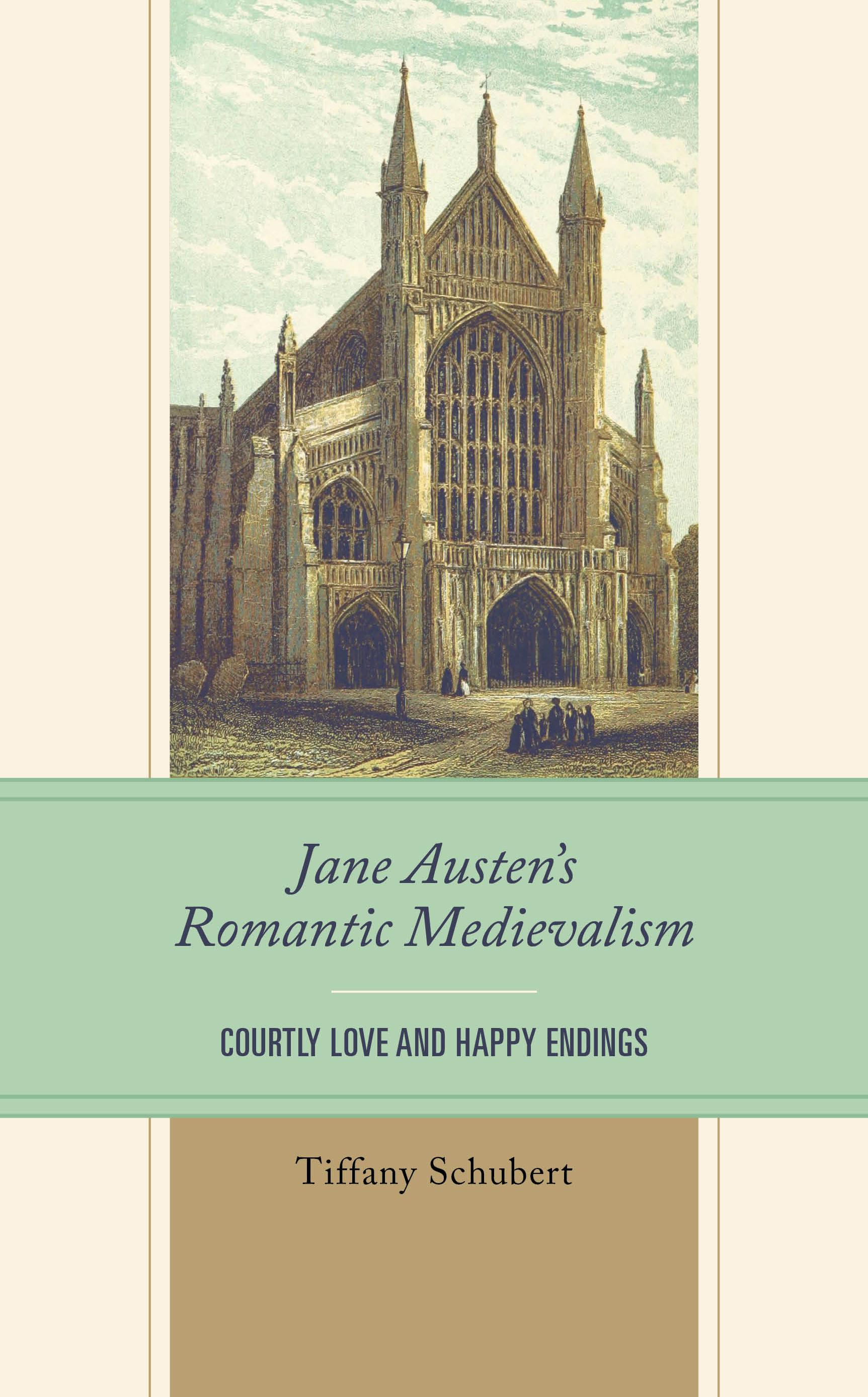
While Jane Austen is often regarded as an author who embodies Georgian refinement and restraint, this book argues that her work was deeply engaged with the medieval tradition of courtly love and its investment in happy endings. Revealing the influence of romance on Persuasion, Emma, and other novels, this study provides new insights into Austen’s narrative style, representations of gender, and complex interest in happiness as both an affective and moral state. As Austen reimagines courtly love in her own idiom, she upends traditional gender roles, portraying women not as fine ladies but as rational creatures. Drawing on the structures of Christian narrative, she also illuminates the centrality of providence as a virtue that bestows grace on her characters, offering them deliverance and happiness. To be sure, Austen famously ironizes romance, criticizing emotional excess and downplaying conventionally romantic scenes. This study nonetheless finds creative power in her irony, showing how Austen’s critique of romance is rooted in the paradoxes of Christian theology, which allow for both human suffering and divine order. In reframing key ethical and generic conventions of the medieval past, Austen’s ironic, providentially arranged romances educate readers into wisdom and joy.
Sider: 238
Kategori: Litteraturvetenskap & Teori
e-ISBN: 9781611463514
Forsendelsesvægt: 1.2 kg
Sendes inden for: 1-2 dage
Betal nemt med kort, Klarna, Apple Pay eller Google Pay. Ikke tilfreds? Du har altid 14 dages fortrydelsesret. Læs mere i vores vilkår. Har du spørgsmål, så send os en mail på hello@memmo.org.
Memmo gør det nemmere at studere – uanset hvor du er i verden. Hos os samler du dine kursusbøger og smarte studieværktøjer ét sted: resuméer, quizzer, podcasts og flashcards. Og så er der Ted, din studieven, der svarer på alt, du undrer dig over. Over 50 000 studerende studerer allerede her – bygget til at hjælpe dig med at lære hurtigere og stresse mindre.