
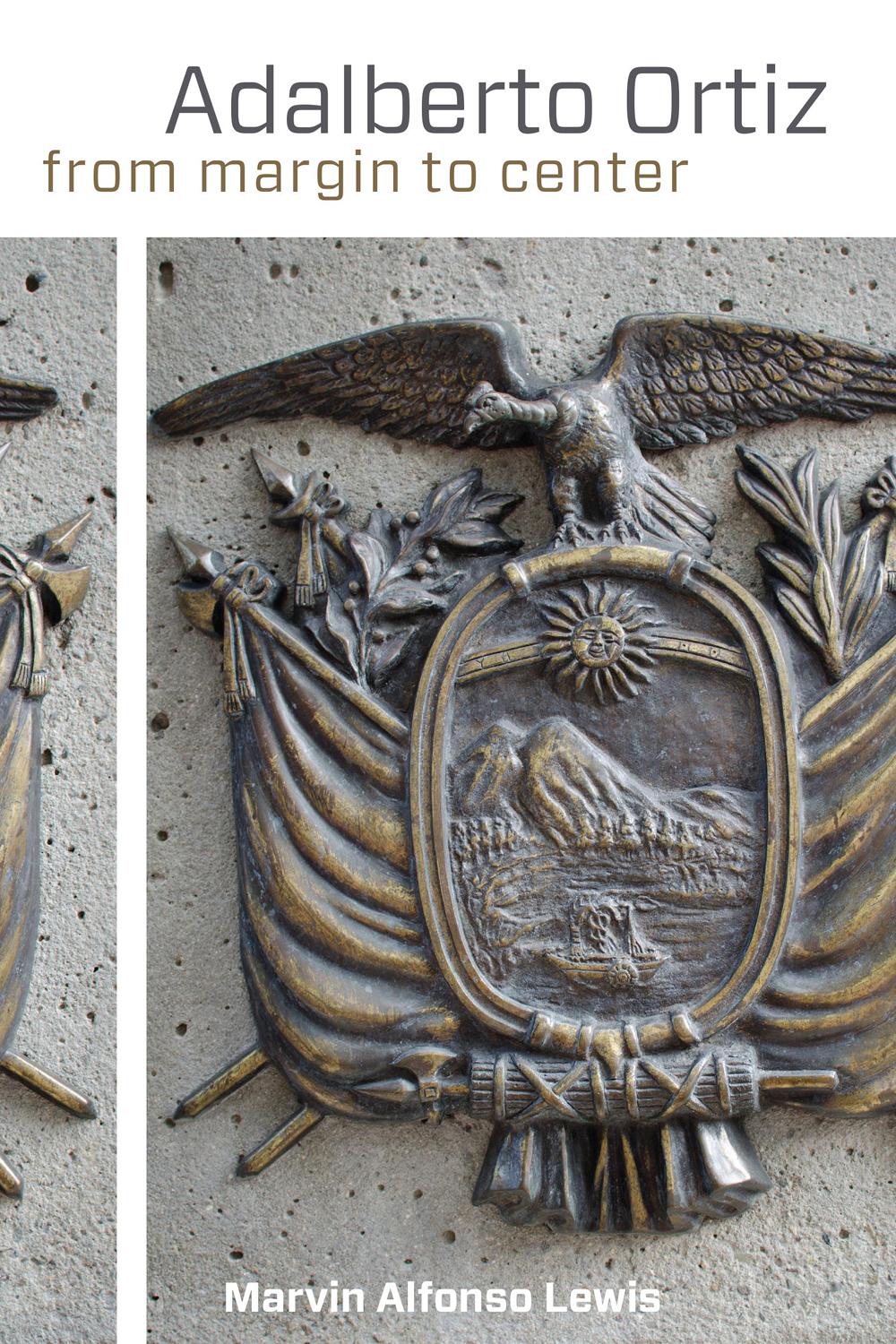
Pablo Adalberto Ortiz Quiñones (1914–2002) was one of the most gifted writers in Ecuador and all of Latin America. Yet outside of Ecuador and amongst Afro-Hispanic literature scholars in the United States, little critical attention has been given to this pioneer whose multi-genre contributions spanned decades. In his writings, Ortiz explores some of the defining social issues in the Americas since the African and European encounters with the New World, including the notion of “race.” He articulates a complex process of affirming the ethnic while not denying the national. Consequently, miscegenation—a biological process—as well as acculturation are motifs in his writings, which explore the essence of what it means to be Ecuadorian. Ortiz does not dwell upon the so-called “race” question, the issue that causes such anxiety and hostility, overtly and covertly, in the United States. Rather, he explores, in depth, ethnicity, class, and caste in his earlier writings and evolves into an international writer while maintaining a strong black awareness. Adalberto Ortiz’s transcendence of victimization to a broader view of the world is indicative of the title of Marvin A. Lewis’ analysis —from margin to center—and reflective of the approach taken by many Afro-Hispanic writers. The dialectical nature of Ortiz’s writings makes his work particularly interesting and rewarding, as revealed in Adalberto Ortiz: From Margin to Center.
In this book, Lewis examines the form and content relationships between works published during different literary periods and movements. Emphasis is placed on Ortiz’s transition from the local to the international in each genre, and the theoretical approach is “eclectic,” depending upon the exigencies of the texts. Ecocriticism, post-colonialism, post-modernism, and other methodologies addressing the environment, place/displacement, identity, and historiographic metafiction are fundamental to the Lewis’ readings of Ortiz’s prose and poetry.
In this book, Lewis examines the form and content relationships between works published during different literary periods and movements. Emphasis is placed on Ortiz’s transition from the local to the international in each genre, and the theoretical approach is “eclectic,” depending upon the exigencies of the texts. Ecocriticism, post-colonialism, post-modernism, and other methodologies addressing the environment, place/displacement, identity, and historiographic metafiction are fundamental to the Lewis’ readings of Ortiz’s prose and poetry.
Sider: 170
Kategori: Litteraturvetenskap & Teori
e-ISBN: 9781611461343
Forsendelsesvægt: 1.2 kg
Sendes inden for: 1-2 dage
Betal nemt med kort, Klarna, Apple Pay eller Google Pay. Ikke tilfreds? Du har altid 14 dages fortrydelsesret. Læs mere i vores vilkår. Har du spørgsmål, så send os en mail på hello@memmo.org.
Memmo gør det nemmere at studere – uanset hvor du er i verden. Hos os samler du dine kursusbøger og smarte studieværktøjer ét sted: resuméer, quizzer, podcasts og flashcards. Og så er der Ted, din studieven, der svarer på alt, du undrer dig over. Over 50 000 studerende studerer allerede her – bygget til at hjælpe dig med at lære hurtigere og stresse mindre.