
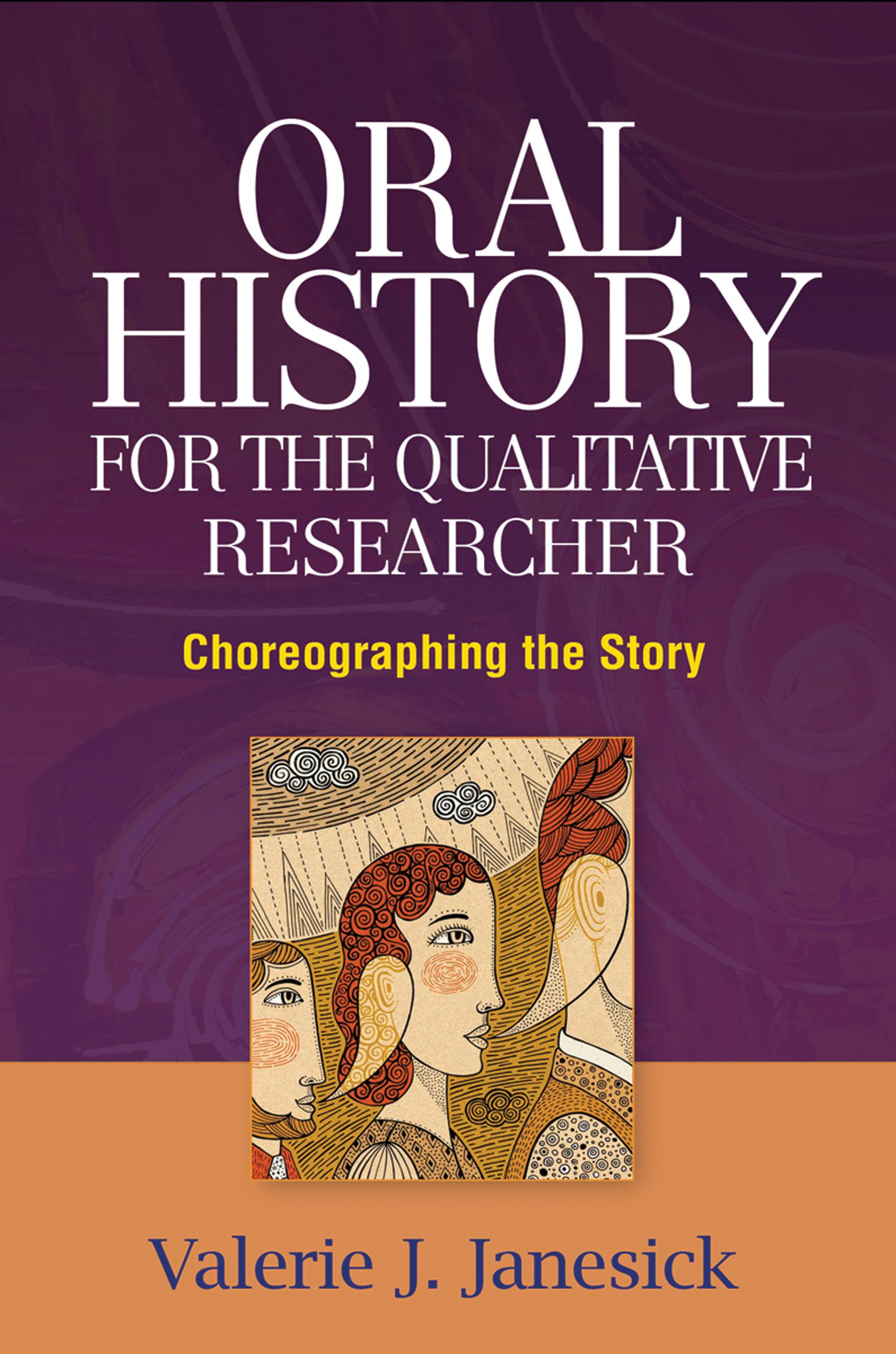
Oral history is a particularly useful way to capture ordinary people's lived experiences. This innovative book introduces the full array of oral history research methods and invites students and qualitative researchers to try them out in their own work. Using choreography as an organizing metaphor, the author presents creative strategies for collecting, representing, analyzing, and interpreting oral history data. Instructive exercises and activities help readers develop specific skills, such as nonparticipant observation, interviewing, and writing, with a special section on creating found data poems from interview transcripts. Also covered are uses of journals, court transcripts, and other documents; Internet resources, such as social networking sites; and photography and video. Emphasizing a social justice perspective, the book includes excerpts of oral histories from 9/11 and Hurricane Katrina, among other detailed case examples.
Betal nemt med kort, Klarna, Apple Pay eller Google Pay. Ikke tilfreds? Du har altid 14 dages fortrydelsesret. Læs mere i vores vilkår. Har du spørgsmål, så send os en mail på hello@memmo.org.
Memmo gør det nemmere at studere – uanset hvor du er i verden. Hos os samler du dine kursusbøger og smarte studieværktøjer ét sted: resuméer, quizzer, podcasts og flashcards. Og så er der Ted, din studieven, der svarer på alt, du undrer dig over. Over 50 000 studerende studerer allerede her – bygget til at hjælpe dig med at lære hurtigere og stresse mindre.