
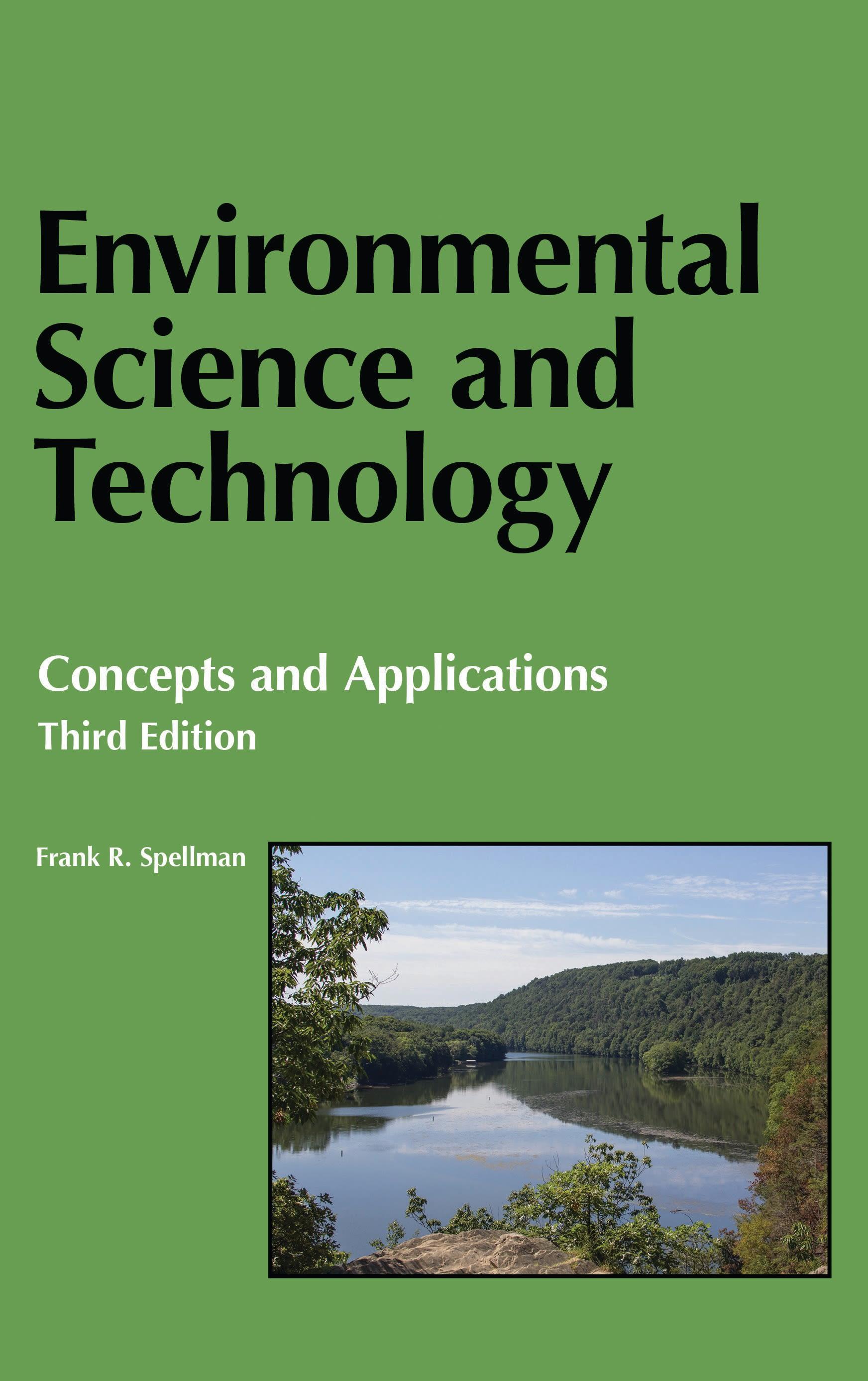
The third edition of Environmental Science and Technology: Concepts and Applications is the first update since 2006. Designed for the student and the professional, this newly updated reference uses scientific laws, principles, models, and concepts to provide a basic foundation for understanding and evaluating the impact that chemicals and technology have on the environment.
Building upon the success of previous editions, this fully revised edition has been expanded and completely updated with significant changes in the treatment of all subject areas. Extensive energy parameters have been added to the text along with a thorough discussion of non-renewable and renewable energy supplies and their potential impact on the environment. In addition, thought-provoking questions have been added at the end of each chapter. Finally, pictorial presentation has been enhanced by the addition of numerous photographs.
Organization and Content:
Environmental Science and Technology: Concepts and Applications is divided into five parts and twenty-five chapters, and organized to provide an even and logical flow of concepts. It provides the student with a clear and thoughtful picture of this complex field.
Part I provides the foundation for the underlying theme of this book—the connections between environmental science and technology.
Part II develops the air quality principles basic to an understanding of air quality.
Part III focuses on water quality, and the characteristics of water and water bodies, water sciences, water pollution, and water/wastewater treatment.
Part IV deals with soil science and emphasizes soil as a natural resource, highlighting the many interactions between soil and other components of the ecosystem.
Part V is devoted to showing how decisions regarding handling solid and hazardous waste have or can have profound impact on the environment and the three media discussed in this text: air, water, and soil.
Finally, the epilogue looks at the state of the environment, past, present, and future. The emphasis in this brief unit is on mitigating present and future environmental concerns by incorporating technology into the remediation process—not by blaming technology for the problem.
Building upon the success of previous editions, this fully revised edition has been expanded and completely updated with significant changes in the treatment of all subject areas. Extensive energy parameters have been added to the text along with a thorough discussion of non-renewable and renewable energy supplies and their potential impact on the environment. In addition, thought-provoking questions have been added at the end of each chapter. Finally, pictorial presentation has been enhanced by the addition of numerous photographs.
Organization and Content:
Environmental Science and Technology: Concepts and Applications is divided into five parts and twenty-five chapters, and organized to provide an even and logical flow of concepts. It provides the student with a clear and thoughtful picture of this complex field.
Part I provides the foundation for the underlying theme of this book—the connections between environmental science and technology.
Part II develops the air quality principles basic to an understanding of air quality.
Part III focuses on water quality, and the characteristics of water and water bodies, water sciences, water pollution, and water/wastewater treatment.
Part IV deals with soil science and emphasizes soil as a natural resource, highlighting the many interactions between soil and other components of the ecosystem.
Part V is devoted to showing how decisions regarding handling solid and hazardous waste have or can have profound impact on the environment and the three media discussed in this text: air, water, and soil.
Finally, the epilogue looks at the state of the environment, past, present, and future. The emphasis in this brief unit is on mitigating present and future environmental concerns by incorporating technology into the remediation process—not by blaming technology for the problem.
Betal nemt med kort, Klarna, Apple Pay eller Google Pay. Ikke tilfreds? Du har altid 14 dages fortrydelsesret. Læs mere i vores vilkår. Har du spørgsmål, så send os en mail på hello@memmo.org.
Memmo gør det nemmere at studere – uanset hvor du er i verden. Hos os samler du dine kursusbøger og smarte studieværktøjer ét sted: resuméer, quizzer, podcasts og flashcards. Og så er der Ted, din studieven, der svarer på alt, du undrer dig over. Over 50 000 studerende studerer allerede her – bygget til at hjælpe dig med at lære hurtigere og stresse mindre.