
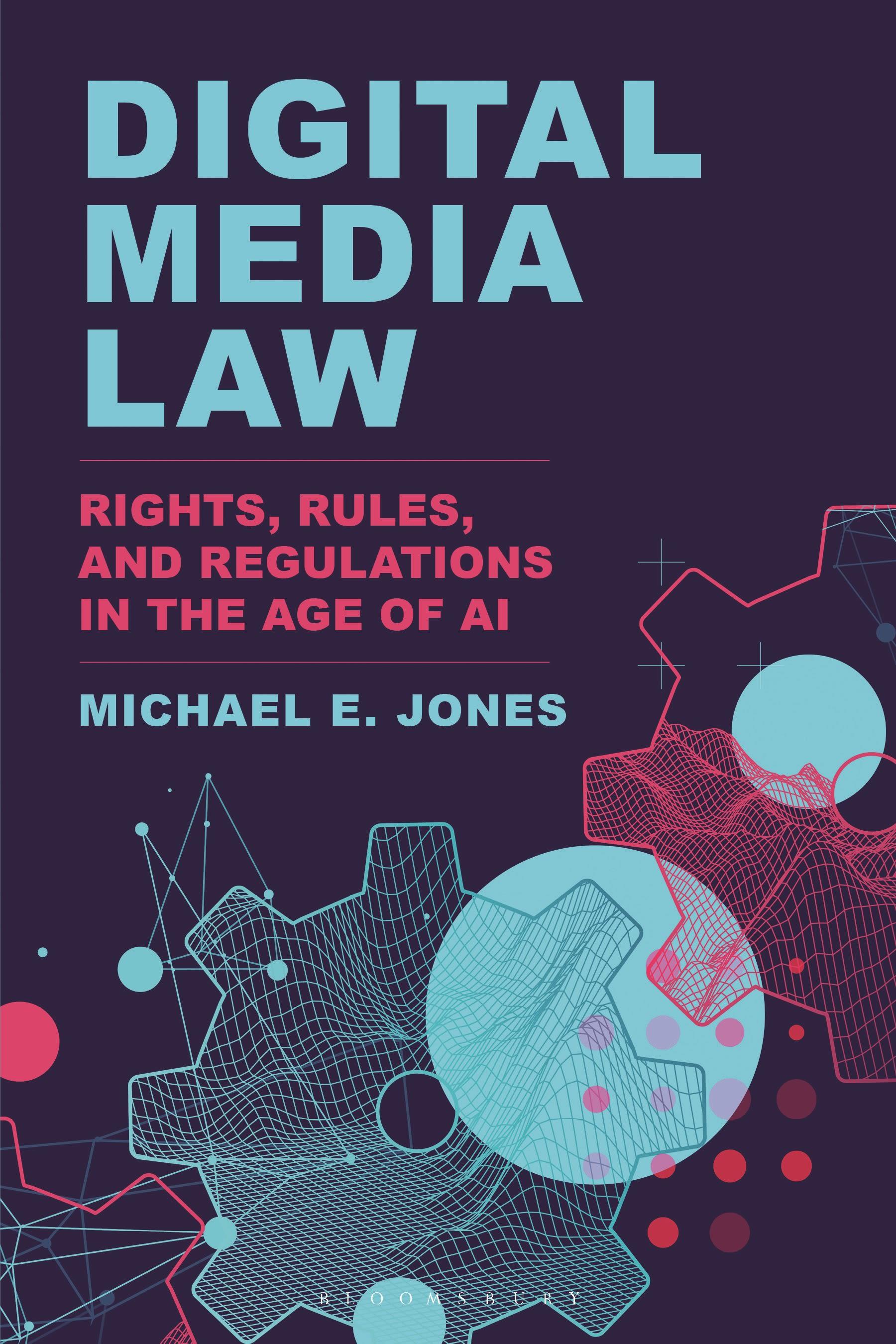
From privacy to piracy and free speech to fair use, the digital world has upended legal issues in media and communication. This textbook explores the evolving legal landscape where digital media and AI intersect, offering crucial insights into copyright, data privacy, ethics, and regulatory frameworks shaping the media industry's future.
Covering everything from foundational newsgathering rights to the constraints and protections shaping professional reporting, Digital Media Law addresses the complexities facing today's media in an era of rapid digital transformation.
Readers examine landmark cases, real-world examples, and critical debates that underscore the most pressing issues, including freedom of expression, AI-driven decision-making, privacy concerns, and the legal implications of emerging technologies like deepfakes. The book also delves into the significant ethical failures that have marred media and journalism in the past, offering lessons for today's professionals. As social media redefines the public square, this text examines the regulation of online speech, challenges to mental health, and global differences in speech regulation, highlighting the clash between U.S. free speech values and foreign controls.
The book sheds light on the dual role of digital technology in promoting transparency and enhancing audience engagement while presenting new ethical challenges for decision-making. With thematic chapters on First Amendment rights, defamation, copyright and trademarks, and Section 230 of the Community Decency Act, Digital Media Law is structured for both academic and practical use, making it ideal for students, journalists, legal professionals, and media enthusiasts interested in the legal intricacies of the digital age.
Covering everything from foundational newsgathering rights to the constraints and protections shaping professional reporting, Digital Media Law addresses the complexities facing today's media in an era of rapid digital transformation.
Readers examine landmark cases, real-world examples, and critical debates that underscore the most pressing issues, including freedom of expression, AI-driven decision-making, privacy concerns, and the legal implications of emerging technologies like deepfakes. The book also delves into the significant ethical failures that have marred media and journalism in the past, offering lessons for today's professionals. As social media redefines the public square, this text examines the regulation of online speech, challenges to mental health, and global differences in speech regulation, highlighting the clash between U.S. free speech values and foreign controls.
The book sheds light on the dual role of digital technology in promoting transparency and enhancing audience engagement while presenting new ethical challenges for decision-making. With thematic chapters on First Amendment rights, defamation, copyright and trademarks, and Section 230 of the Community Decency Act, Digital Media Law is structured for both academic and practical use, making it ideal for students, journalists, legal professionals, and media enthusiasts interested in the legal intricacies of the digital age.
Betal nemt med kort, Klarna, Apple Pay eller Google Pay. Ikke tilfreds? Du har altid 14 dages fortrydelsesret. Læs mere i vores vilkår. Har du spørgsmål, så send os en mail på hello@memmo.org.
Memmo gør det nemmere at studere – uanset hvor du er i verden. Hos os samler du dine kursusbøger og smarte studieværktøjer ét sted: resuméer, quizzer, podcasts og flashcards. Og så er der Ted, din studieven, der svarer på alt, du undrer dig over. Over 50 000 studerende studerer allerede her – bygget til at hjælpe dig med at lære hurtigere og stresse mindre.