
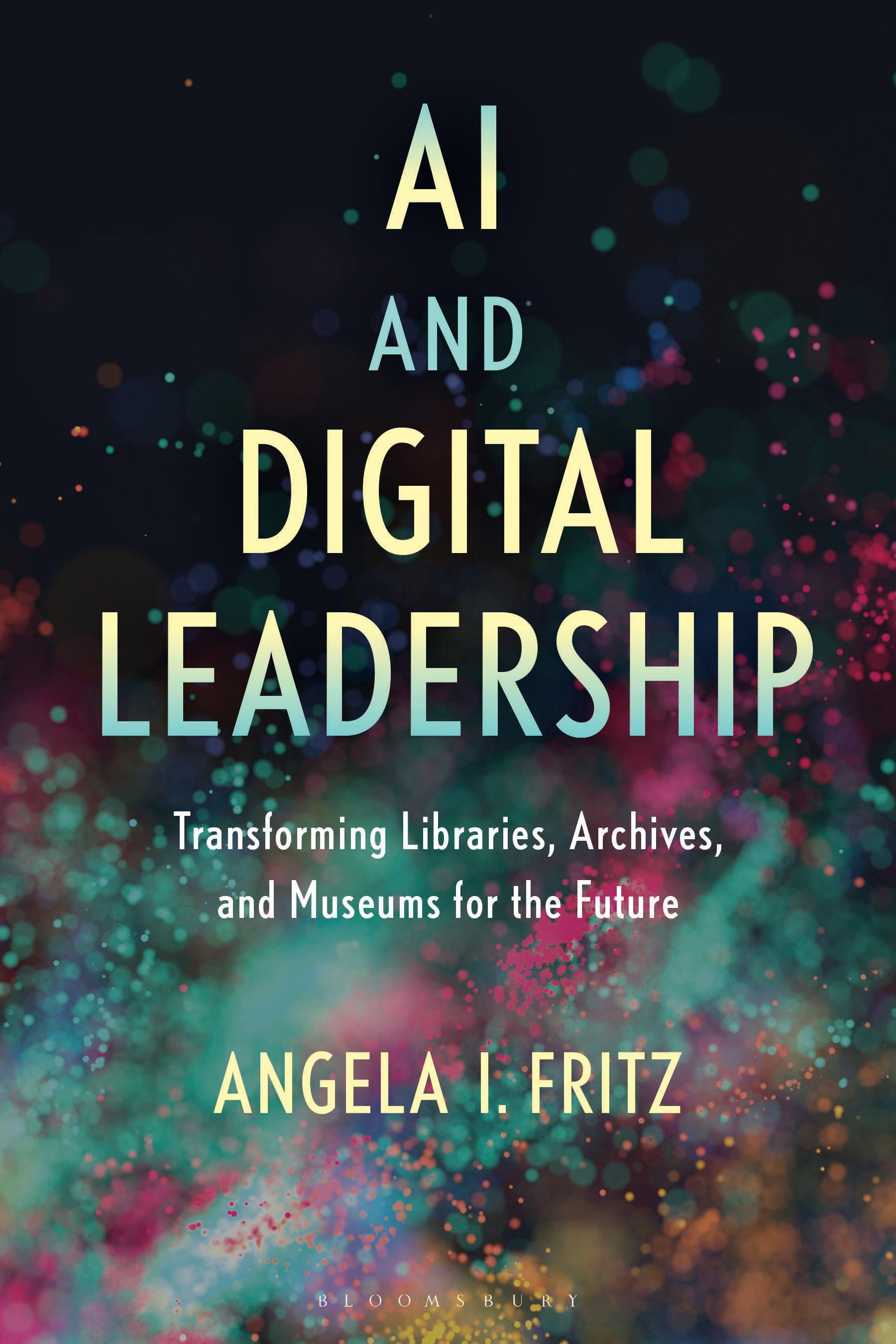
Explore how GLAM institutions are navigating new leadership styles and organizational frameworks to help meet the challenges posed by a digital society.
During this time of digital transformation, galleries, libraries, archives, and museums (GLAMs) are facing a generational challenge that calls on them to rethink their roles and responsibilities, re-evaluate policies and practices, and re-envision creative management and use of their collections. While AI is not new for GLAMs, the rapid development of generative AI has accelerated the pace of change along with a host of risks and benefits. For cultural heritage institutions, the stakes for implementing emerging AI technologies are high as GLAMs navigate questions relating to cultural relevance, limited resources and expanding backlogs of digital collections. GLAMs must also contend with the major intellectual and social implications for supporting entirely new approaches to learning, scholarship and public engagement. As GLAMs strive to keep pace, this book turns to explore how cultural heritage institutions can draw on a model of digital leadership to help them meet the challenges posed by the ethical implementation and use of generative AI in the stewardship of distinctive collections. Although digital leadership has been widely written about in the fields of business management, communication and marketing and information technology, it has not yet been addressed in a book format for the GLAM sector. In addition to discussing the basic definition and concepts of digital leadership, this book explores digital leadership as a critical framework for GLAMs to advance digital stewardship programs, professional development and staff training initiatives, and institutional advocacy in the age of AI.
During this time of digital transformation, galleries, libraries, archives, and museums (GLAMs) are facing a generational challenge that calls on them to rethink their roles and responsibilities, re-evaluate policies and practices, and re-envision creative management and use of their collections. While AI is not new for GLAMs, the rapid development of generative AI has accelerated the pace of change along with a host of risks and benefits. For cultural heritage institutions, the stakes for implementing emerging AI technologies are high as GLAMs navigate questions relating to cultural relevance, limited resources and expanding backlogs of digital collections. GLAMs must also contend with the major intellectual and social implications for supporting entirely new approaches to learning, scholarship and public engagement. As GLAMs strive to keep pace, this book turns to explore how cultural heritage institutions can draw on a model of digital leadership to help them meet the challenges posed by the ethical implementation and use of generative AI in the stewardship of distinctive collections. Although digital leadership has been widely written about in the fields of business management, communication and marketing and information technology, it has not yet been addressed in a book format for the GLAM sector. In addition to discussing the basic definition and concepts of digital leadership, this book explores digital leadership as a critical framework for GLAMs to advance digital stewardship programs, professional development and staff training initiatives, and institutional advocacy in the age of AI.
Betal nemt med kort, Klarna, Apple Pay eller Google Pay. Ikke tilfreds? Du har altid 14 dages fortrydelsesret. Læs mere i vores vilkår. Har du spørgsmål, så send os en mail på hello@memmo.org.
Memmo gør det nemmere at studere – uanset hvor du er i verden. Hos os samler du dine kursusbøger og smarte studieværktøjer ét sted: resuméer, quizzer, podcasts og flashcards. Og så er der Ted, din studieven, der svarer på alt, du undrer dig over. Over 50 000 studerende studerer allerede her – bygget til at hjælpe dig med at lære hurtigere og stresse mindre.