
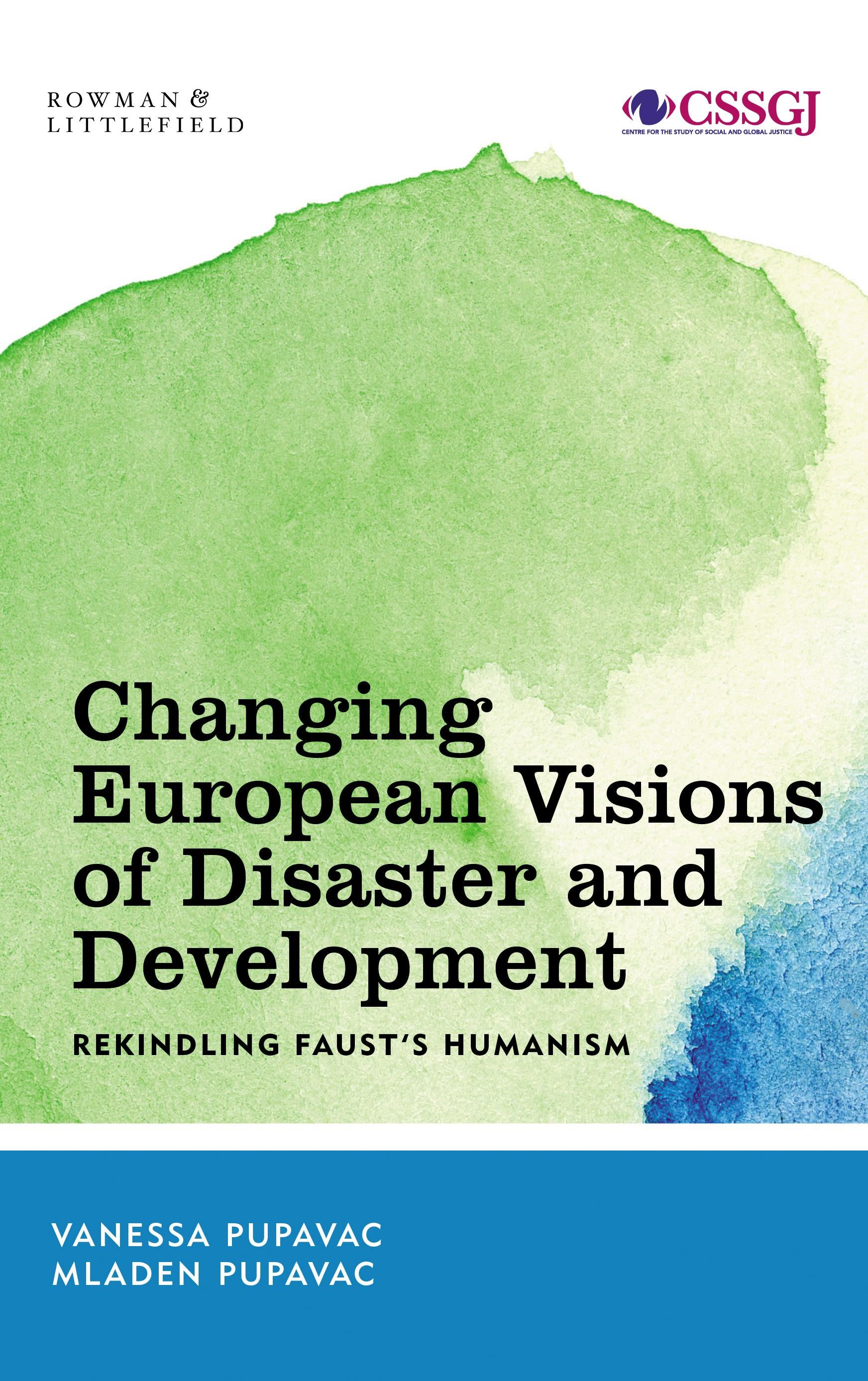
Goethe’s 1832 poem Faust offers a vision of humanity realising freedom and prosperity through transcending natural adversity. Changing European Visions of Disaster and Development returns to Faust as a way of exploring the rise and fall of European humanist aspirations to build free and prosperous national political communities protected from natural disasters.
Faust stories emerged in early modern Europe linked to the shaking of the traditional religious and political order, and the pursuit of new areas of human knowledge and activity which led to a shift from viewing disasters as acts of God to acts of nature. Faust’s dam building and land reclamation project in Goethe’s poem was inspired by Dutch hydro-engineering and in turn inspired others. Faustian dreams of an engineered future were pursued by the American Yugoslav inventor Nikola Tesla and the country of his birth towards establishing its national independence and escaping the fate of being a borderland.
Faust remains a compelling reference point to explore European visions of disaster and development. If Faust captured the European spirit of earlier centuries, what is today’s outlook? Ambitious Faustian development visions to eradicate natural disasters have been replaced by anti-Faustian risk cosmopolitanism sceptical towards human activity in ways counter to building collective protection from disaster. Tesla’s country of birth fears returning to being an insecure borderland of Europe. This powerful and timely book calls for a rekindling of European humanism and Faust’s vision of ‘free people standing on free land’.
Faust stories emerged in early modern Europe linked to the shaking of the traditional religious and political order, and the pursuit of new areas of human knowledge and activity which led to a shift from viewing disasters as acts of God to acts of nature. Faust’s dam building and land reclamation project in Goethe’s poem was inspired by Dutch hydro-engineering and in turn inspired others. Faustian dreams of an engineered future were pursued by the American Yugoslav inventor Nikola Tesla and the country of his birth towards establishing its national independence and escaping the fate of being a borderland.
Faust remains a compelling reference point to explore European visions of disaster and development. If Faust captured the European spirit of earlier centuries, what is today’s outlook? Ambitious Faustian development visions to eradicate natural disasters have been replaced by anti-Faustian risk cosmopolitanism sceptical towards human activity in ways counter to building collective protection from disaster. Tesla’s country of birth fears returning to being an insecure borderland of Europe. This powerful and timely book calls for a rekindling of European humanism and Faust’s vision of ‘free people standing on free land’.
Sider: 312
Kategori: Ekonomi & Utveckling
e-ISBN: 9781538144947
Forsendelsesvægt: 1.2 kg
Sendes inden for: 1-2 dage
Betal nemt med kort, Klarna, Apple Pay eller Google Pay. Ikke tilfreds? Du har altid 14 dages fortrydelsesret. Læs mere i vores vilkår. Har du spørgsmål, så send os en mail på hello@memmo.org.
Memmo gør det nemmere at studere – uanset hvor du er i verden. Hos os samler du dine kursusbøger og smarte studieværktøjer ét sted: resuméer, quizzer, podcasts og flashcards. Og så er der Ted, din studieven, der svarer på alt, du undrer dig over. Over 50 000 studerende studerer allerede her – bygget til at hjælpe dig med at lære hurtigere og stresse mindre.