
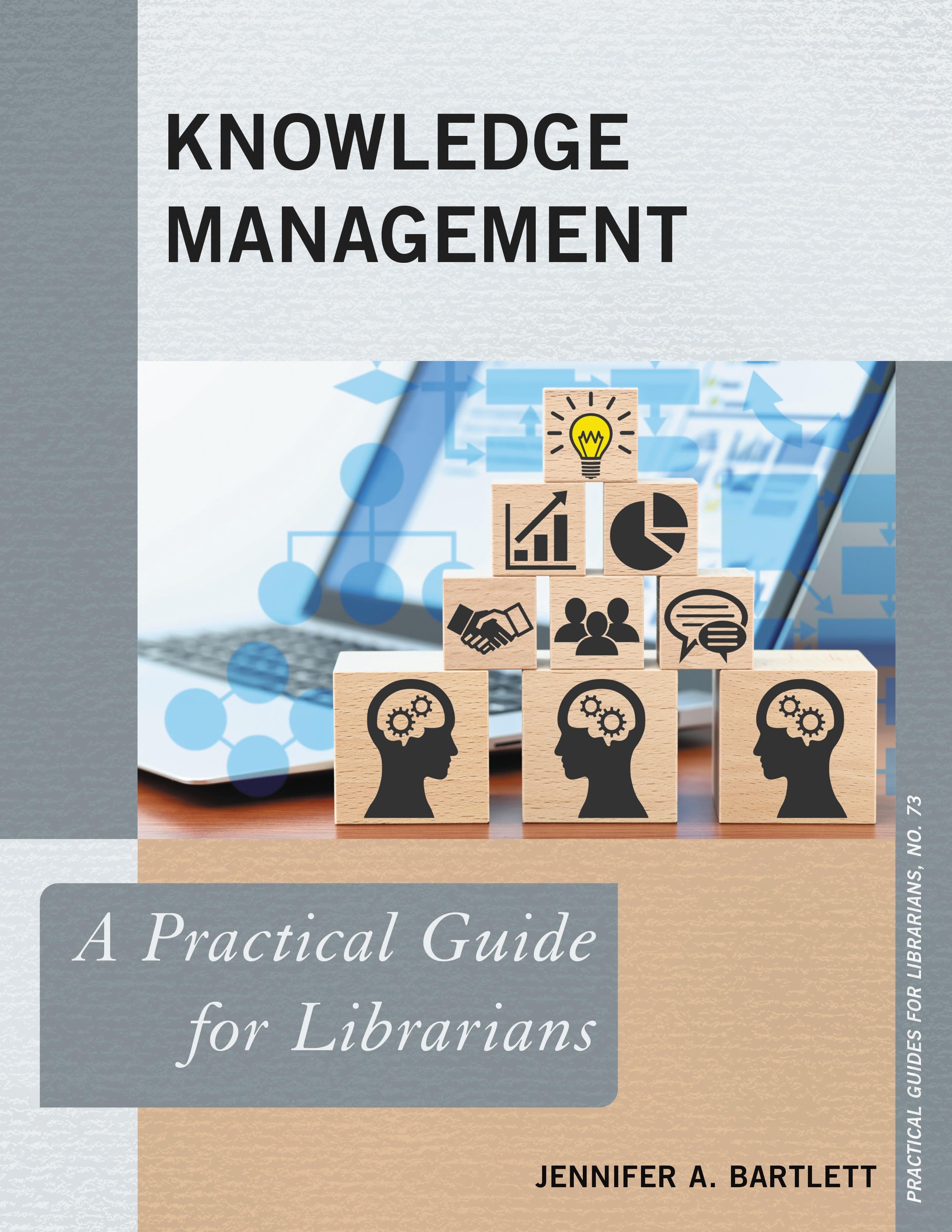
While librarians and information professionals are experts at providing resources to users, managing their own internal working knowledge and information can be a challenge. As information environments continue to become more complex, librarians and other information professionals must build on the existing expertise and skills within their organizations to keep them relevant to the information needs of their patrons and communities. Knowledge management (KM) is an intentional set of strategies intended to capture, preserve, and use human knowledge from employees to further the goals of an organization. Knowledge Management: A Practical Guide for Librarians will help librarians recognize, organize, communicate, and leverage both the tacit and explicit knowledge already in their organizations for the benefit of themselves and their users. Topics covered include:
Why knowledge management is important in libraries and information organizationsThe knowledge management lifecycle: capturing, organizing, storing, sharing, and updating knowledgeCapturing tacit and explicit knowledge and getting staff buy-inTools and methods for recording and developing organizational information flowFacilitating the transfer of organizational knowledge and expertisePromoting knowledge innovation and learning
Knowledge Management is intended to help individual librarians and library managers in all library settings (academic, public, school, special, etc.) to think critically about their existing knowledge management environments with an eye toward improving existing procedures or implementing a KM program. This guide will provide readers with basic background information and useful, targeted exercises and examples to help them develop knowledge management programs in their own organizations.
Why knowledge management is important in libraries and information organizationsThe knowledge management lifecycle: capturing, organizing, storing, sharing, and updating knowledgeCapturing tacit and explicit knowledge and getting staff buy-inTools and methods for recording and developing organizational information flowFacilitating the transfer of organizational knowledge and expertisePromoting knowledge innovation and learning
Knowledge Management is intended to help individual librarians and library managers in all library settings (academic, public, school, special, etc.) to think critically about their existing knowledge management environments with an eye toward improving existing procedures or implementing a KM program. This guide will provide readers with basic background information and useful, targeted exercises and examples to help them develop knowledge management programs in their own organizations.
Betal nemt med kort, Klarna, Apple Pay eller Google Pay. Ikke tilfreds? Du har altid 14 dages fortrydelsesret. Læs mere i vores vilkår. Har du spørgsmål, så send os en mail på hello@memmo.org.
Memmo gør det nemmere at studere – uanset hvor du er i verden. Hos os samler du dine kursusbøger og smarte studieværktøjer ét sted: resuméer, quizzer, podcasts og flashcards. Og så er der Ted, din studieven, der svarer på alt, du undrer dig over. Over 50 000 studerende studerer allerede her – bygget til at hjælpe dig med at lære hurtigere og stresse mindre.