
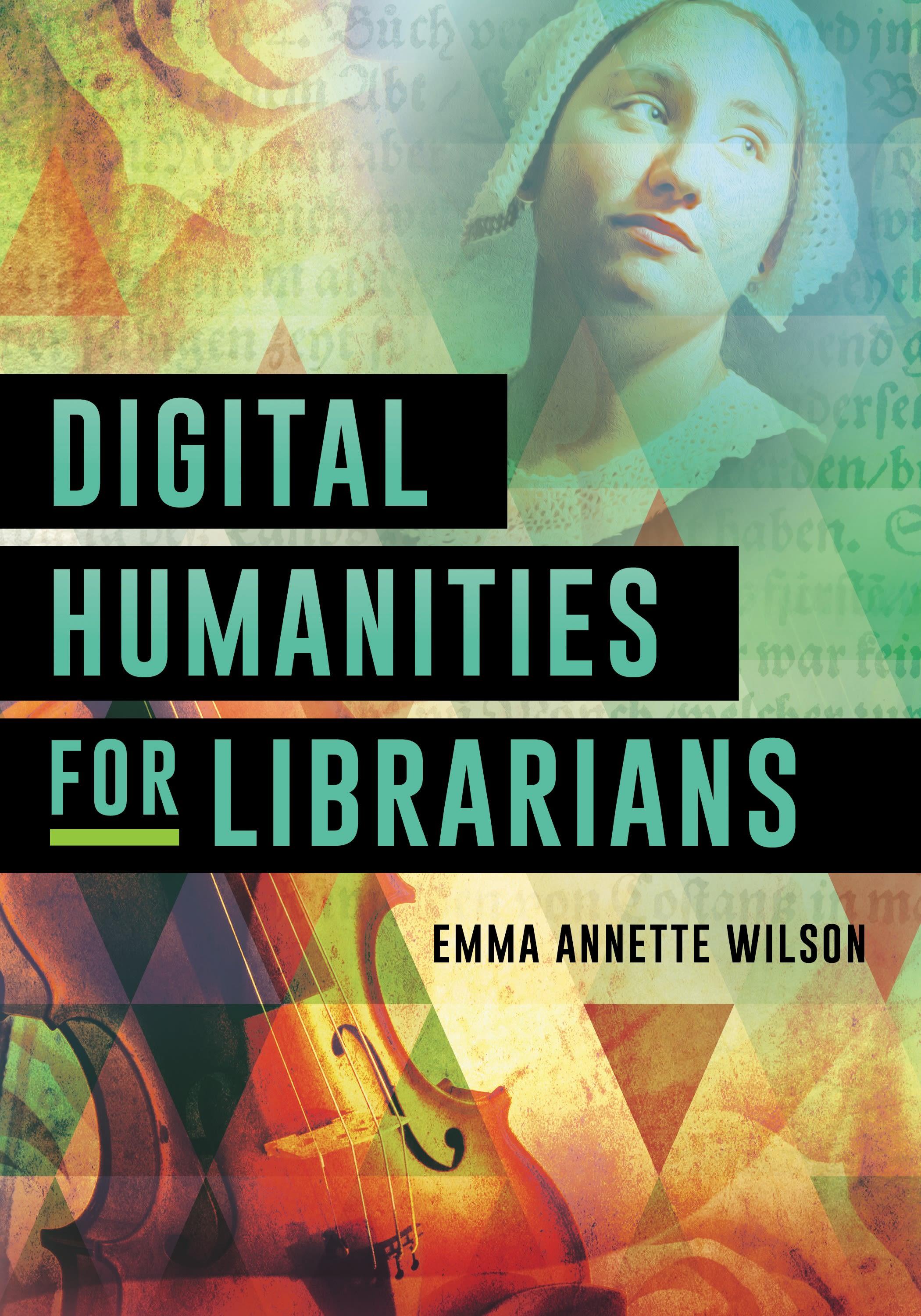
Digital Humanities For Librarians.
Some librarians are born to digital humanities; some aspire to digital humanities; and some have digital humanities thrust upon them. Digital Humanities For Librarians is a one-stop resource for librarians and LIS students working in this growing new area of academic librarianship. The book begins by introducing digital humanities, addressing key questions such as, “What is it?”, “Who does it?”, “How do they do it?”, “Why do they do it?”, and “How can I do it?”. This broad overview is followed by a series of practical chapters answering those questions with step-by-step approaches to both the digital and the human elements of digital humanities librarianship.
Digital Humanities For Librarians covers a wide range of technologies currently used in the field, from creating digital exhibits, archives, and databases, to digital mapping, text encoding, and computational text analysis (big data for the humanities). However, the book never loses sight of the all-important human component to digital humanities work, and culminates in a series of chapters on management and personnel strategies in this area. These chapters walk readers through approaches to project management, effective collaboration, outreach, the reference interview for digital humanities, sustainability, and data management, making this a valuable resource for administrators as well as librarians directly involved in digital humanities work.
There is also a consideration of budgeting questions, including strategies for supporting digital humanities work on a shoestring.
Special features include:
Case studies of a wide range of projects and management issuesDigital instructional documents guiding readers through specific digital technologies and techniquesAn accompanying website featuring digital humanities tools and resources and digital interviews with librarians and scholars leading the way in digital humanities work across North America, from a range of larger and smaller institutionsWhether you are a librarian primarily working in digital humanities for the first time, a student hoping to do so, or a librarian in a cognate area newly-charged with these responsibilities, Digital Humanities For Librarians will be with you every step of the way, drawing on the author’s experiences and those of a network of librarians and scholars to give you the practical support and guidance needed to bring your digital humanities initiatives to life.
Some librarians are born to digital humanities; some aspire to digital humanities; and some have digital humanities thrust upon them. Digital Humanities For Librarians is a one-stop resource for librarians and LIS students working in this growing new area of academic librarianship. The book begins by introducing digital humanities, addressing key questions such as, “What is it?”, “Who does it?”, “How do they do it?”, “Why do they do it?”, and “How can I do it?”. This broad overview is followed by a series of practical chapters answering those questions with step-by-step approaches to both the digital and the human elements of digital humanities librarianship.
Digital Humanities For Librarians covers a wide range of technologies currently used in the field, from creating digital exhibits, archives, and databases, to digital mapping, text encoding, and computational text analysis (big data for the humanities). However, the book never loses sight of the all-important human component to digital humanities work, and culminates in a series of chapters on management and personnel strategies in this area. These chapters walk readers through approaches to project management, effective collaboration, outreach, the reference interview for digital humanities, sustainability, and data management, making this a valuable resource for administrators as well as librarians directly involved in digital humanities work.
There is also a consideration of budgeting questions, including strategies for supporting digital humanities work on a shoestring.
Special features include:
Case studies of a wide range of projects and management issuesDigital instructional documents guiding readers through specific digital technologies and techniquesAn accompanying website featuring digital humanities tools and resources and digital interviews with librarians and scholars leading the way in digital humanities work across North America, from a range of larger and smaller institutionsWhether you are a librarian primarily working in digital humanities for the first time, a student hoping to do so, or a librarian in a cognate area newly-charged with these responsibilities, Digital Humanities For Librarians will be with you every step of the way, drawing on the author’s experiences and those of a network of librarians and scholars to give you the practical support and guidance needed to bring your digital humanities initiatives to life.
Betal nemt med kort, Klarna, Apple Pay eller Google Pay. Ikke tilfreds? Du har altid 14 dages fortrydelsesret. Læs mere i vores vilkår. Har du spørgsmål, så send os en mail på hello@memmo.org.
Memmo gør det nemmere at studere – uanset hvor du er i verden. Hos os samler du dine kursusbøger og smarte studieværktøjer ét sted: resuméer, quizzer, podcasts og flashcards. Og så er der Ted, din studieven, der svarer på alt, du undrer dig over. Over 50 000 studerende studerer allerede her – bygget til at hjælpe dig med at lære hurtigere og stresse mindre.