
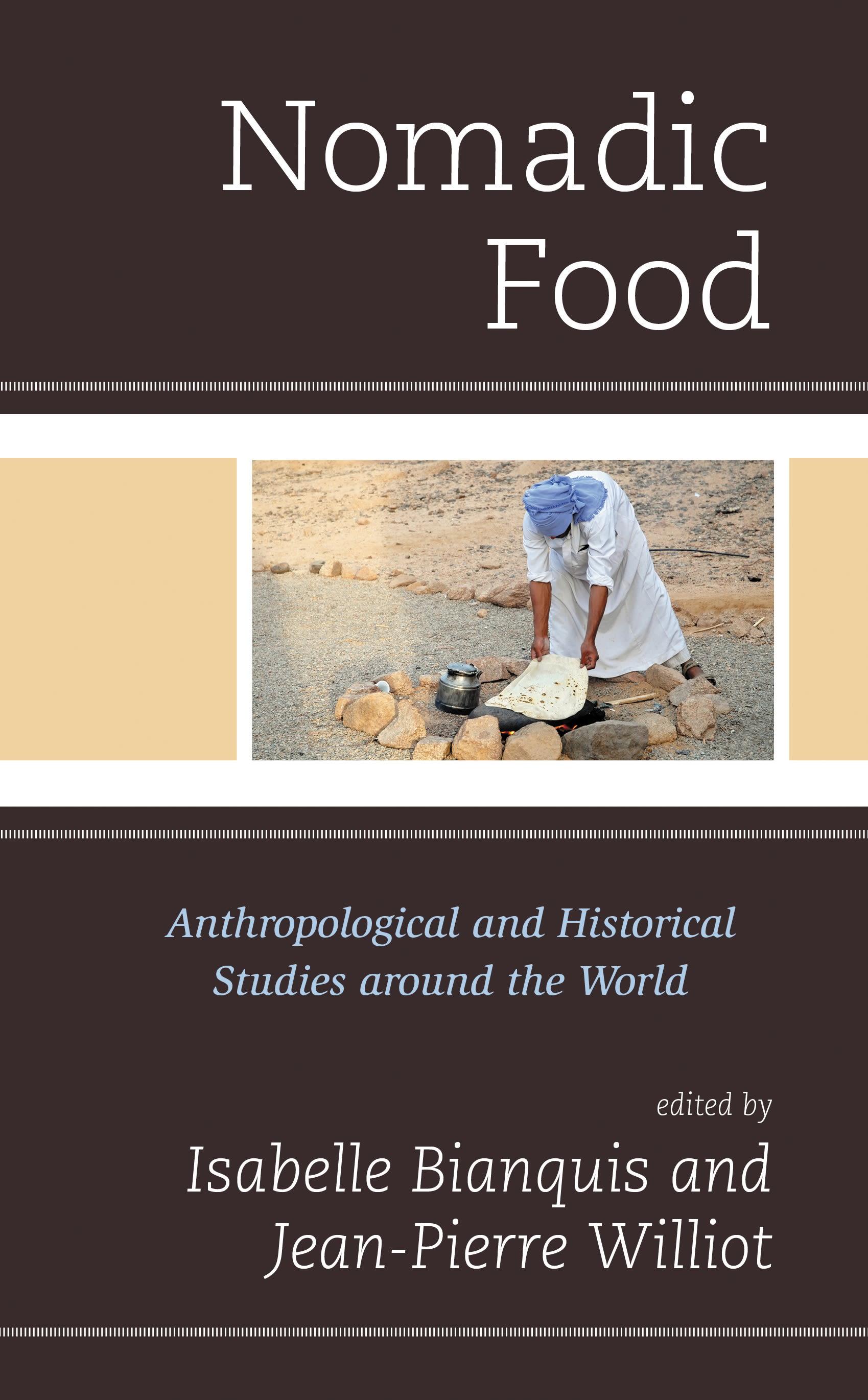
In this book, contributors examine the many meanings of the term 'nomad' through the study of food habits. Food and beverage products have become just as nomadic as other objects, such as telephones and computers, whereas in the past only food and money were able to move about with their carriers. Food industries have seized control of this trend to make it the characteristic feature of consumption outside the home - always faster and more convenient, the just-in-time meal: 'what I want, when I want, where I want', snacks, finger food, and street food. The terms reveal the contemporary modernity and spread of food practices, but they are only modified versions of older and more uncommon forms of behavior. Mobility, in the sense of multiple forms of moving about using public or individual, and possibly intermodal, means of transport, on spatial scales and temporal rhythms which are frequent and recurring but variable, responding to professional or leisure needs, can serve as a basic premise in order to gain insight into the concept of food nomadism.
Betal nemt med kort, Klarna, Apple Pay eller Google Pay. Ikke tilfreds? Du har altid 14 dages fortrydelsesret. Læs mere i vores vilkår. Har du spørgsmål, så send os en mail på hello@memmo.org.
Memmo gør det nemmere at studere – uanset hvor du er i verden. Hos os samler du dine kursusbøger og smarte studieværktøjer ét sted: resuméer, quizzer, podcasts og flashcards. Og så er der Ted, din studieven, der svarer på alt, du undrer dig over. Over 50 000 studerende studerer allerede her – bygget til at hjælpe dig med at lære hurtigere og stresse mindre.