
The popular name for Chan Buddhism, in the West, is Zen Buddhism, as it was Japanese scholars who first introduced Chan Buddhism to the West with this translation. Indeed, chan is a shortened form of the Chinese word channa, rendered from the Sanskrit word dhyana, which denotes practices of the concentration of the mind through meditation or contemplation. Although rooted in the Indian tradition of yoga, which aims at the unification of the individual with the divine, meditative concentration became integrated into the Buddhist path to enlightenment as one of the three learnings (sanxue) of Buddhism. Early Buddhist (or the so-called Hinayana Buddhist) scriptures include the teachings on four stages of meditation, four divine abodes, four formless meditations, the tranquility (samatha) and insight (vipassana) meditations, and so on. Early Buddhist communities commonly practiced these meditations, along with the moral disciplines and the study of the scriptures and doctrines. Mahayana Buddhism, in India and East Asia, continued the practice of meditation as one of the six perfections (or virtues) of the bodhisattva path. In this general context, some eminent monks might have composed scriptures/treatises for the training of meditation or have become more famed with meditation. However, the school of Chan is more than just a group of meditation practitioners. As one of the Chinese Buddhist schools, it involves its own ideology, its own community, and its own genealogical history, serving to establish its own identity.
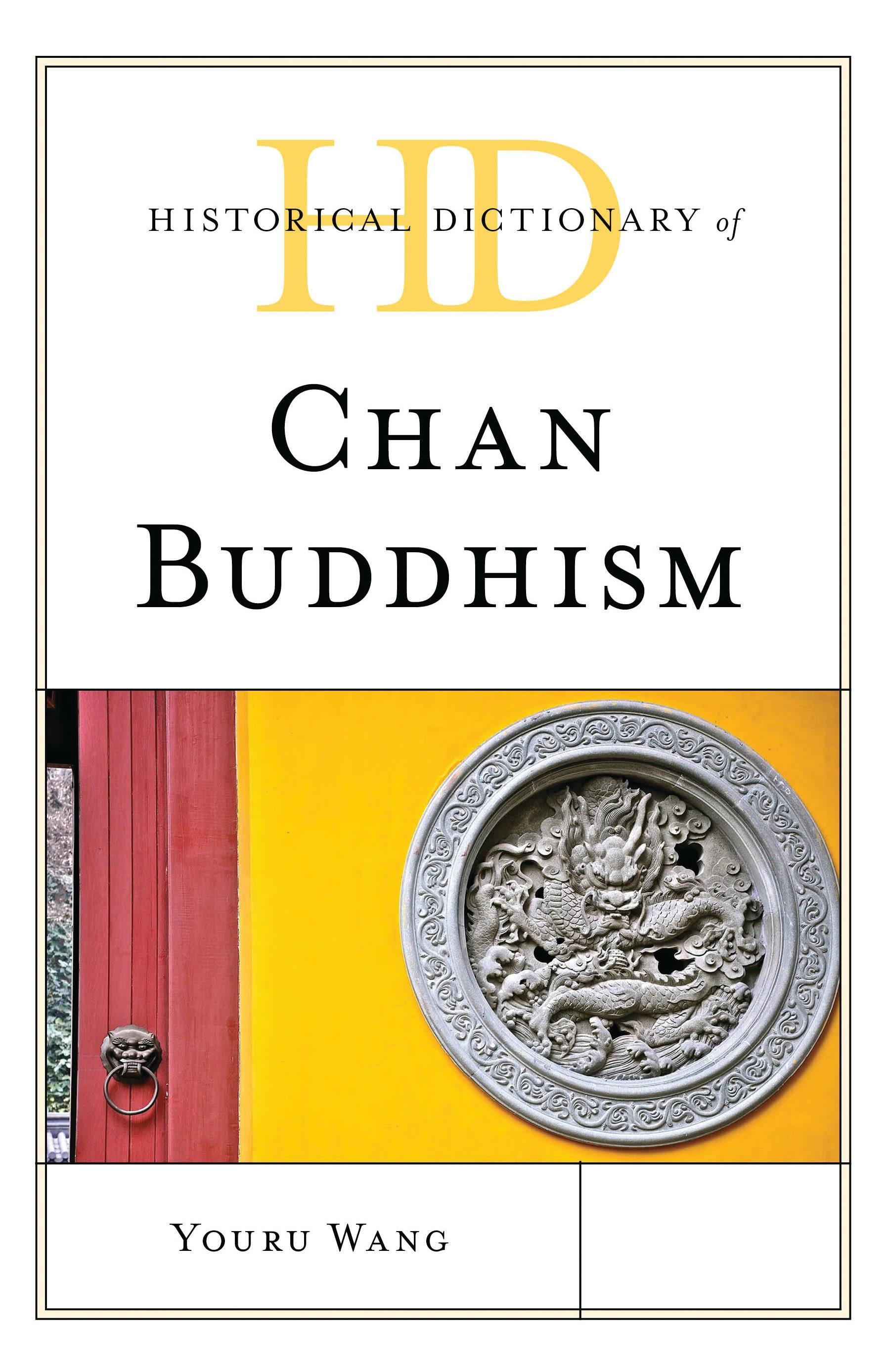
The Historical Dictionary of Chan Buddhism contains a chronology, an introduction, and an extensive bibliography. The dictionary section has over 400 cross-referenced entries on important personalities, schools, texts, vocabularies, doctrines, rituals, temples, events, and other practices. This book is an excellent resource for students, researchers, and anyone wanting to know more about Chan Buddhism.
The Historical Dictionary of Chan Buddhism contains a chronology, an introduction, and an extensive bibliography. The dictionary section has over 400 cross-referenced entries on important personalities, schools, texts, vocabularies, doctrines, rituals, temples, events, and other practices. This book is an excellent resource for students, researchers, and anyone wanting to know more about Chan Buddhism.
Sider: 386
Kategori: Religion & Teologi
e-ISBN: 9781538105528
Forsendelsesvægt: 1.2 kg
Sendes inden for: 1-2 dage
Betal nemt med kort, Klarna, Apple Pay eller Google Pay. Ikke tilfreds? Du har altid 14 dages fortrydelsesret. Læs mere i vores vilkår. Har du spørgsmål, så send os en mail på hello@memmo.org.
Memmo gør det nemmere at studere – uanset hvor du er i verden. Hos os samler du dine kursusbøger og smarte studieværktøjer ét sted: resuméer, quizzer, podcasts og flashcards. Og så er der Ted, din studieven, der svarer på alt, du undrer dig over. Over 50 000 studerende studerer allerede her – bygget til at hjælpe dig med at lære hurtigere og stresse mindre.