
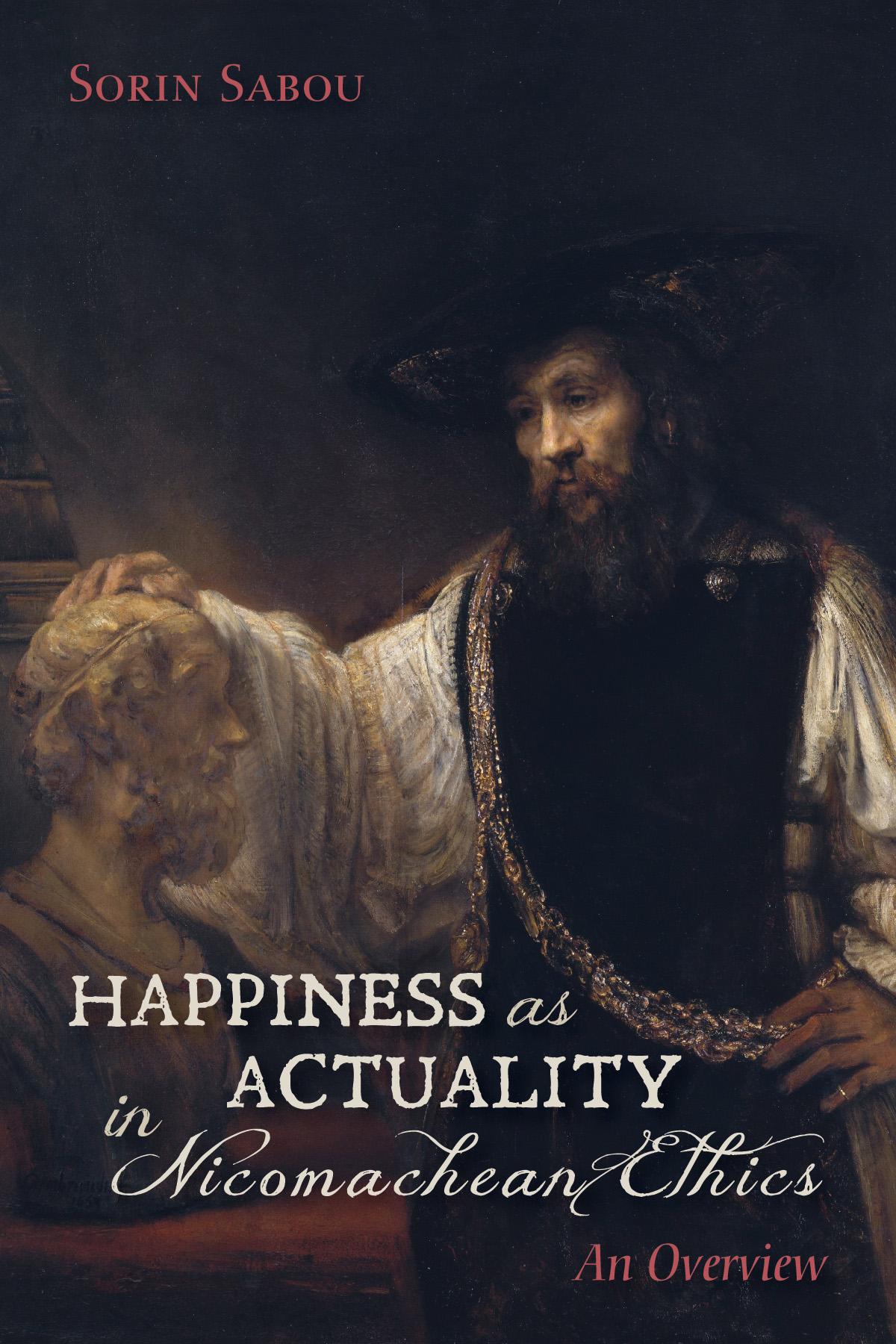
This is a study about the meaning of happiness (εὐδαιμονία) in Aristotle's Nicomachean Ethics (EN). It is argued that εὐδαιμονία in EN means actuality, and it has to be interpreted through the lenses of two metaphors used by Aristotle in EN 1.7 1098a21 and 10.6 1176a30: the "perimeter of good" and the "imprint of happiness." To explain the meaning of happiness Aristotle first has to delineate the "perimeter of good" of human beings, and he does that with the help of two criteria: the final end [τέλος] and the function of humanity [ἔργον ἀνθρώπου]. These two criteria are metaphysical concepts which describe the "good" as the final metaphysical aim of every person, and the best every person can be. This metaphysical teleological aim is the "actuality of the soul" according with excellence. This is the "perimeter" within which Aristotle enquires about εὐδαιμονία--the good of humans.
Betal nemt med kort, Klarna, Apple Pay eller Google Pay. Ikke tilfreds? Du har altid 14 dages fortrydelsesret. Læs mere i vores vilkår. Har du spørgsmål, så send os en mail på hello@memmo.org.
Memmo gør det nemmere at studere – uanset hvor du er i verden. Hos os samler du dine kursusbøger og smarte studieværktøjer ét sted: resuméer, quizzer, podcasts og flashcards. Og så er der Ted, din studieven, der svarer på alt, du undrer dig over. Over 50 000 studerende studerer allerede her – bygget til at hjælpe dig med at lære hurtigere og stresse mindre.
Du kan måske også lide
Køb bogen0