
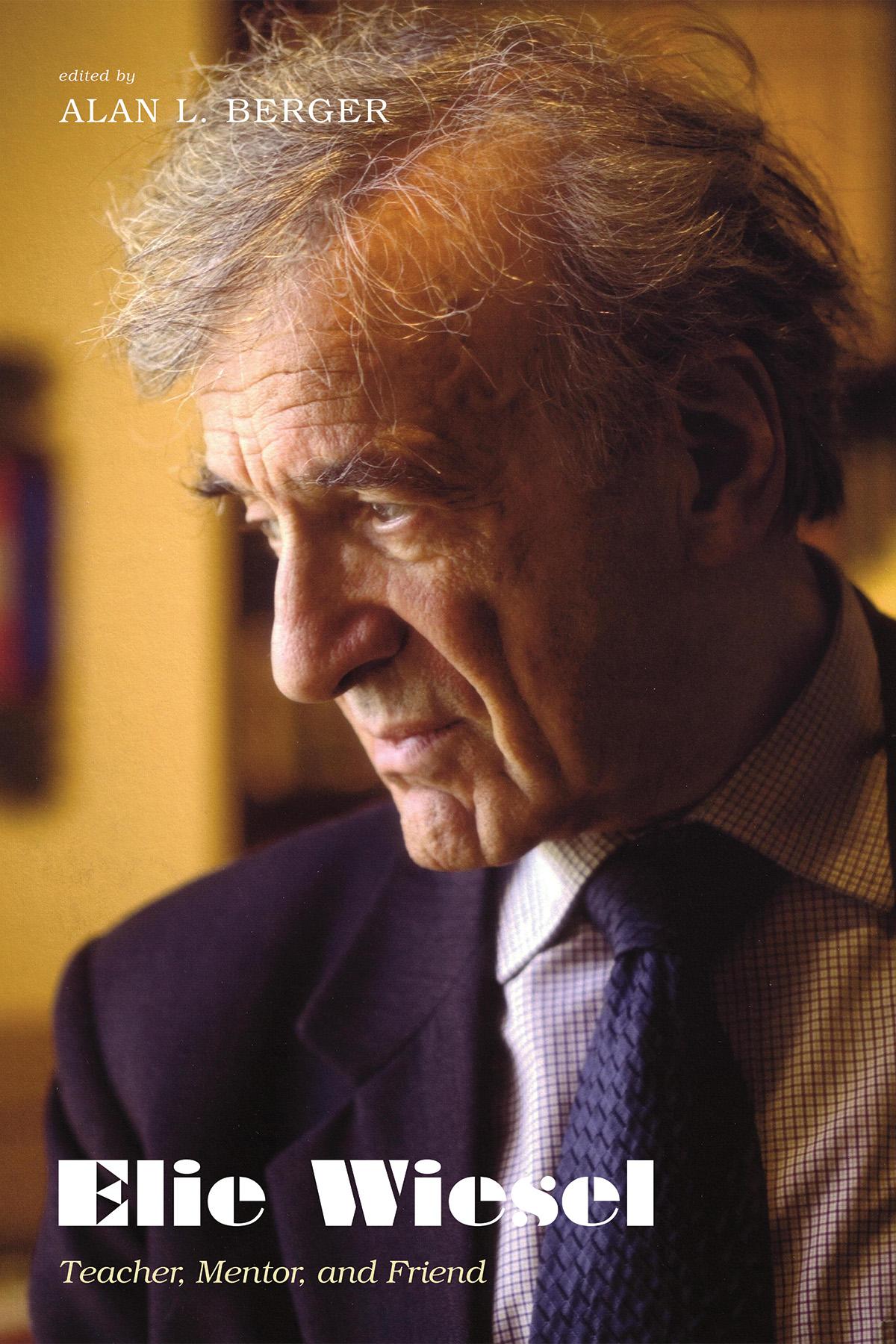
Elie Wiesel, plucked from the ashes of the Holocaust, became a Nobel Peace laureate, an activist on behalf of the oppressed, a teacher, an award-winning novelist, and a renowned humanist. He moved easily among world leaders but was equally at home among the disenfranchised. Following his Nobel Prize, Wiesel established the Elie Wiesel Foundation for Humanity; one of their early initiatives was the founding of the Elie Wiesel Ethics Essay Contest.
The reflections in this volume come from judges of the contest. They share their personal and professional experiences working with and learning from Wiesel, providing a glimpse of the person behind the public figure. At a time when the future seems ominous and chaotic at best, these reflections hold on to the promise of an ethically and morally robust possibility. The students whose essays prompt this sense of hope are remarkable for their insight and dedication.
The messages embedded in the judges' reflections mirror Wiesel's convictions about the importance of friendship, the need to interrogate (without abandoning) God, and the power of remembrance in order to fight indifference.
Betal nemt med kort, Klarna, Apple Pay eller Google Pay. Ikke tilfreds? Du har altid 14 dages fortrydelsesret. Læs mere i vores vilkår. Har du spørgsmål, så send os en mail på hello@memmo.org.
Memmo gør det nemmere at studere – uanset hvor du er i verden. Hos os samler du dine kursusbøger og smarte studieværktøjer ét sted: resuméer, quizzer, podcasts og flashcards. Og så er der Ted, din studieven, der svarer på alt, du undrer dig over. Over 50 000 studerende studerer allerede her – bygget til at hjælpe dig med at lære hurtigere og stresse mindre.
Du kan måske også lide
Køb bogen0