
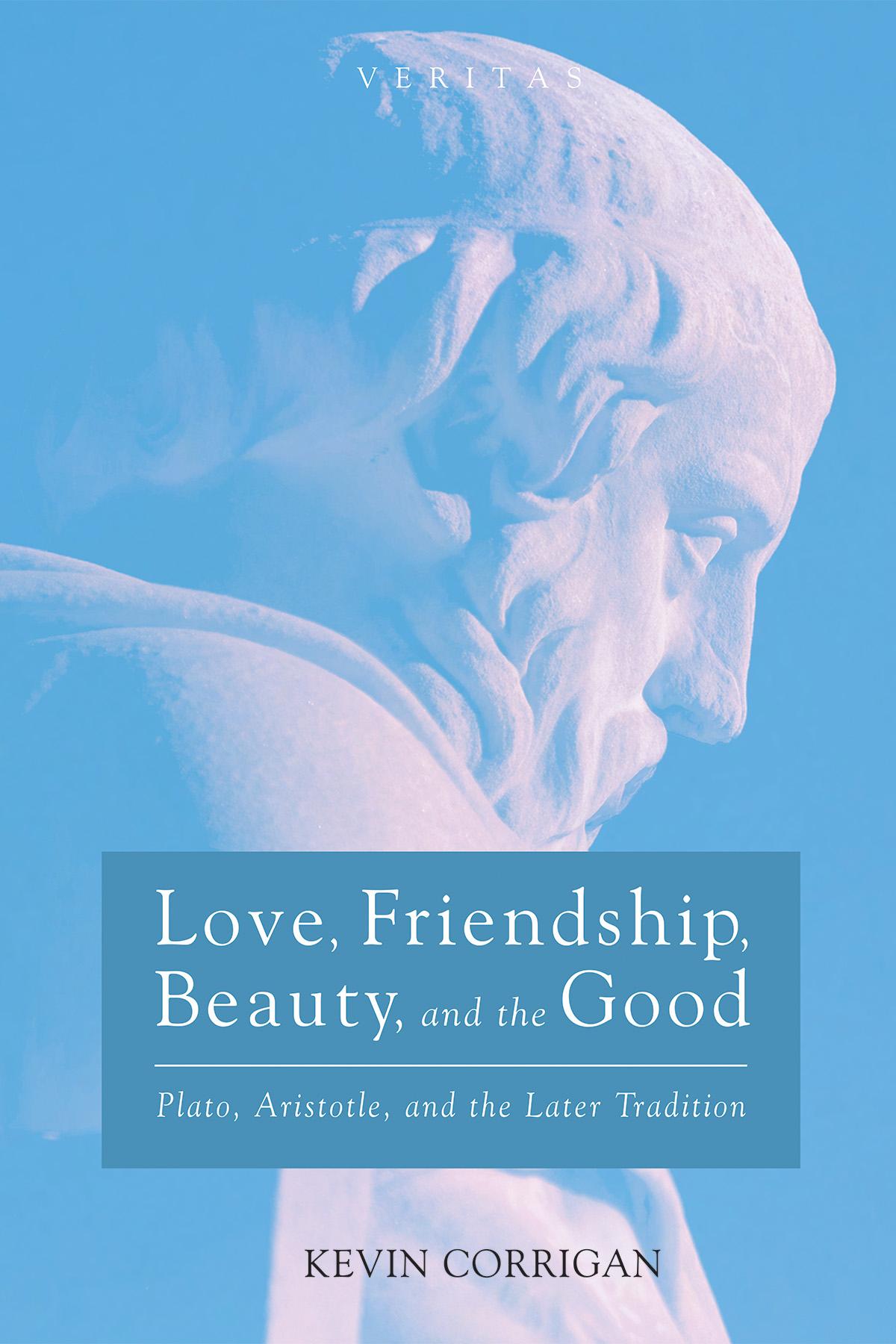
This book tells a compelling story about love, friendship, and the Divine that took over a thousand years to unfold. It argues that mind and feeling are intrinsically connected in the thought of Plato, Aristotle, and Plotinus; that Aristotle developed his theology and physics primarily from Plato's Symposium (from the "Greater" and "Lesser Mysteries" of Diotima-Socrates' speech); and that the Beautiful and the Good are not coincident classes, but irreducible Forms, and the loving ascent of the Symposium must be interpreted in the light of the Republic, as the later tradition up to Ficino saw. Against the view that Platonism is an escape from the ambiguities of ordinary experience or opposed to loving individuals for their own sakes, this book argues that Plato dramatizes the ambiguities of ordinary experience, confronts the possibility of failure, and bequeaths erotic models for the loving of individuals to later thought. Finally, it examines the Platonic-Aristotelian heritage on the Divine to discover whether God can love us back, and situates the dramatic development of this legacy in Plotinus, Iamblichus, Proclus, and Dionysius the Areopagite.
Betal nemt med kort, Klarna, Apple Pay eller Google Pay. Ikke tilfreds? Du har altid 14 dages fortrydelsesret. Læs mere i vores vilkår. Har du spørgsmål, så send os en mail på hello@memmo.org.
Memmo gør det nemmere at studere – uanset hvor du er i verden. Hos os samler du dine kursusbøger og smarte studieværktøjer ét sted: resuméer, quizzer, podcasts og flashcards. Og så er der Ted, din studieven, der svarer på alt, du undrer dig over. Over 50 000 studerende studerer allerede her – bygget til at hjælpe dig med at lære hurtigere og stresse mindre.
Du kan måske også lide
Køb bogen0