
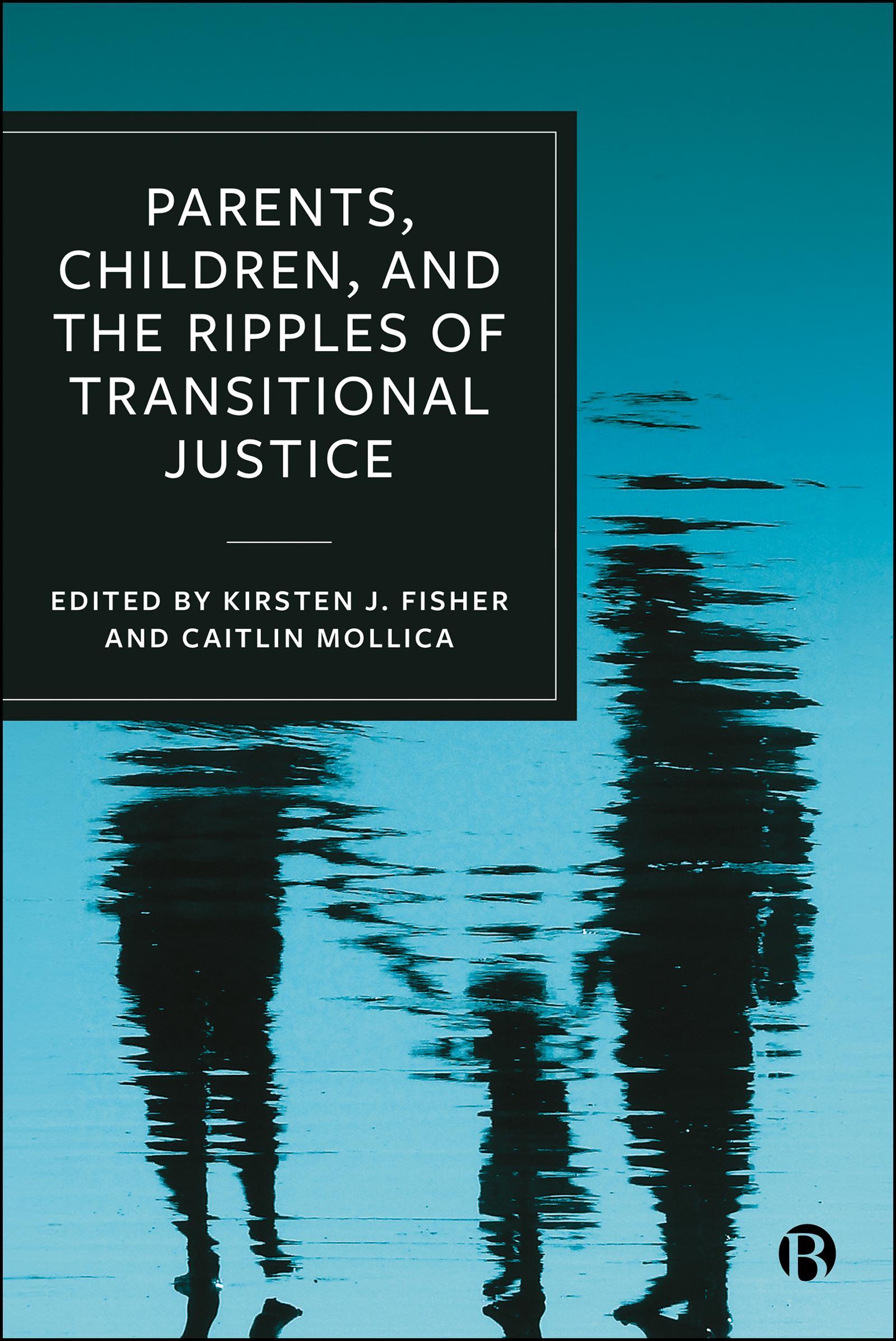
This pioneering collection breaks new ground by examining how post-atrocity justice affects and is informed by familial relationships, particularly between parents and children.
Moving beyond traditional discussions of victims and perpetrators, this volume centres the dynamics of care, responsibility, and identity in the aftermath of mass atrocity. It explores how attempts at addressing legacies of mass atrocity can undermine or strengthen families. Drawing on global case studies and innovative interdisciplinary insights, chapters reveal how socially constructed ideas about parenthood and childhood inform notions of responsibility with and for children within transitional justice frameworks.
Betal nemt med kort, Klarna, Apple Pay eller Google Pay. Ikke tilfreds? Du har altid 14 dages fortrydelsesret. Læs mere i vores vilkår. Har du spørgsmål, så send os en mail på hello@memmo.org.
Memmo gør det nemmere at studere – uanset hvor du er i verden. Hos os samler du dine kursusbøger og smarte studieværktøjer ét sted: resuméer, quizzer, podcasts og flashcards. Og så er der Ted, din studieven, der svarer på alt, du undrer dig over. Over 50 000 studerende studerer allerede her – bygget til at hjælpe dig med at lære hurtigere og stresse mindre.