
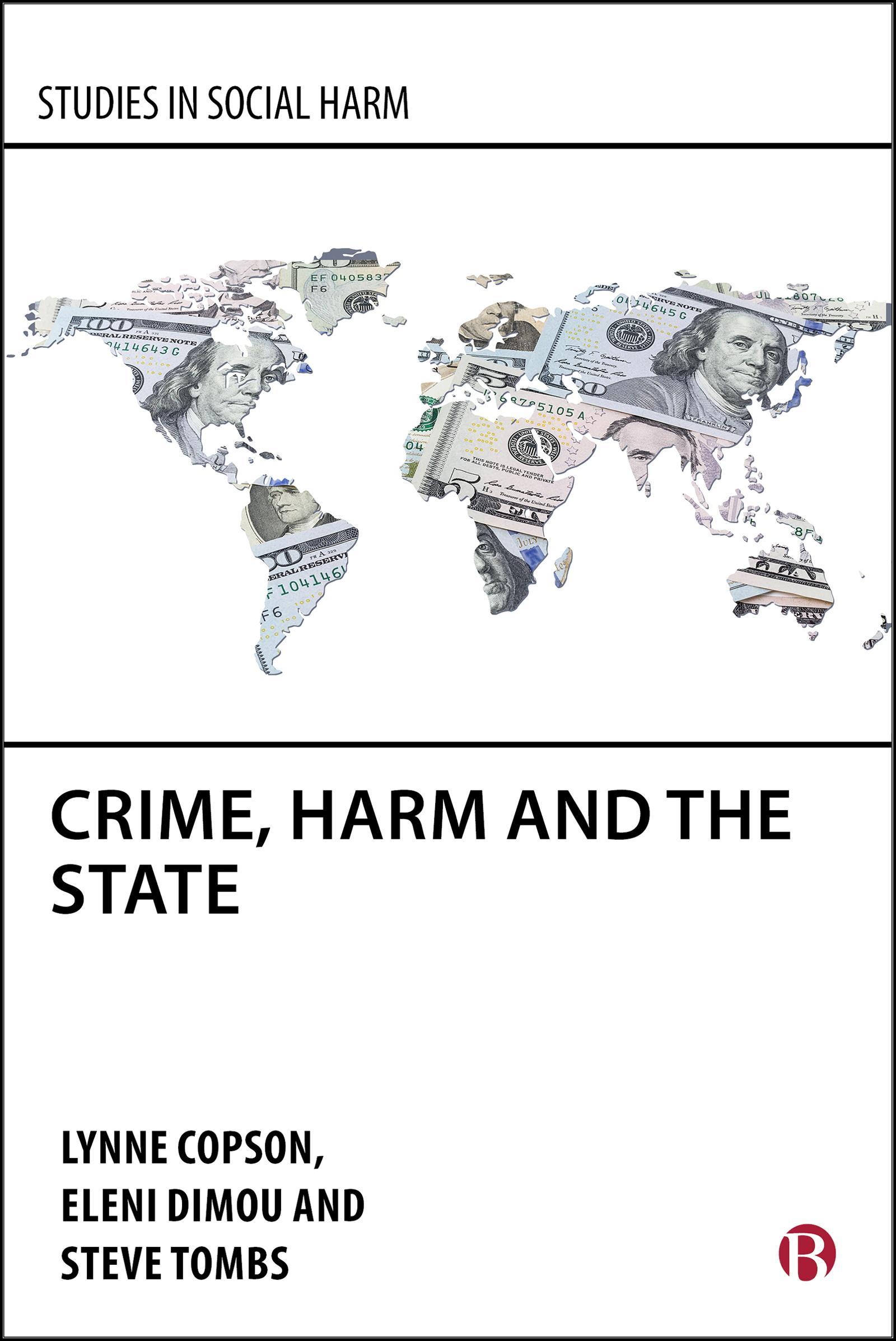
Why are some harms defined as crimes while others are not? This pioneering collection disrupts the boundaries of criminology, offering a bold, innovative exploration of crime, state power and social harm across historical and global contexts.
Bridging zemiology, governmentality studies, and decolonial theory, this book offers a fresh perspective on how the colonial roots and ongoing dynamics of global capitalism perpetuate harm, particularly in the Global South. Through compelling case studies on topics such as tourism, drugs, non-human animals, food, ecology, minoritized groups and migration, it reveals how colonial legacies and structural injustices shape who experiences harm, whose experiences are acknowledged - and how harm may be resisted.
Betal nemt med kort, Klarna, Apple Pay eller Google Pay. Ikke tilfreds? Du har altid 14 dages fortrydelsesret. Læs mere i vores vilkår. Har du spørgsmål, så send os en mail på hello@memmo.org.
Memmo gør det nemmere at studere – uanset hvor du er i verden. Hos os samler du dine kursusbøger og smarte studieværktøjer ét sted: resuméer, quizzer, podcasts og flashcards. Og så er der Ted, din studieven, der svarer på alt, du undrer dig over. Over 50 000 studerende studerer allerede her – bygget til at hjælpe dig med at lære hurtigere og stresse mindre.