
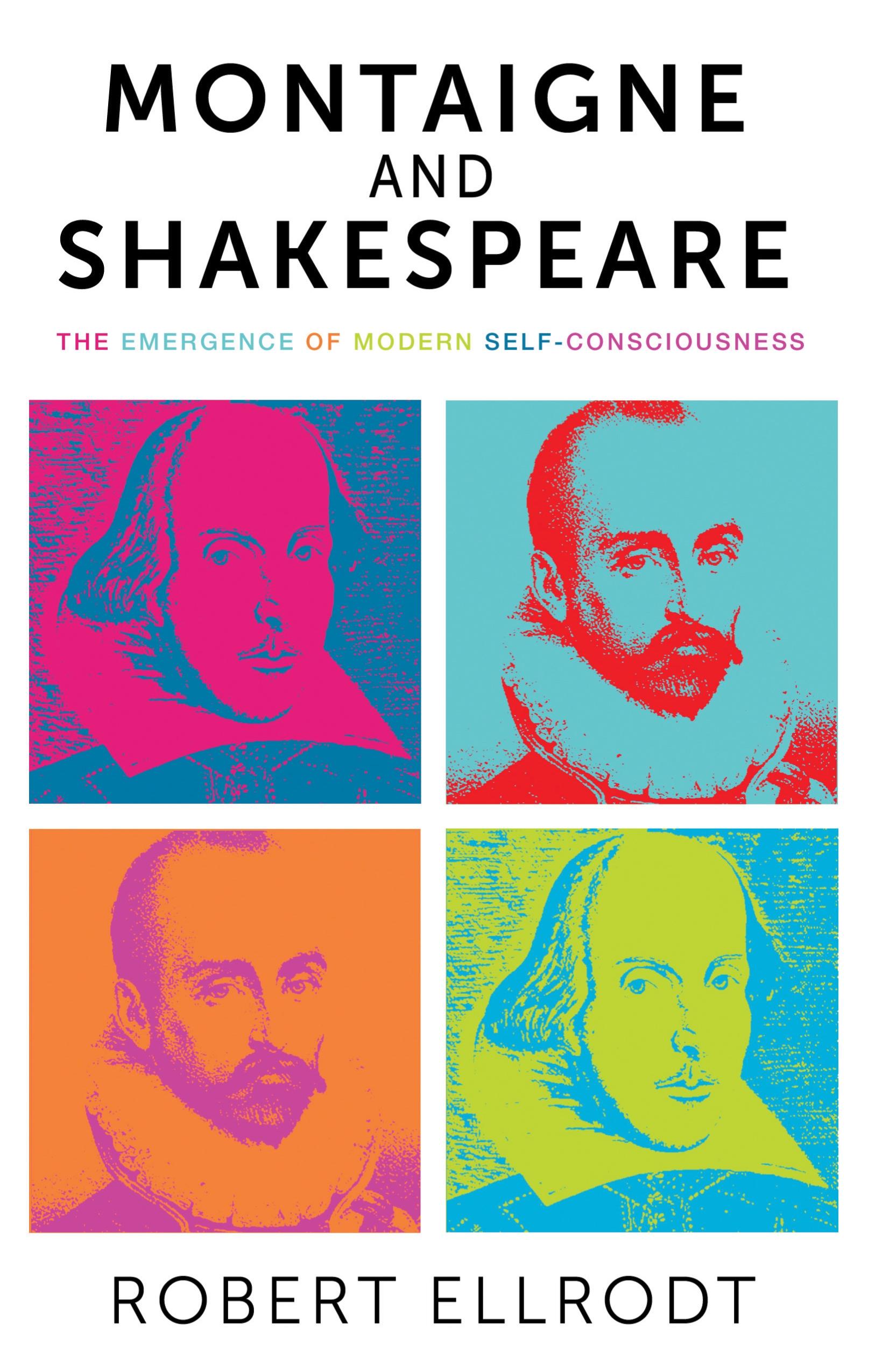
This book is not merely a study of Shakespeare’s debt to Montaigne. It traces the evolution of self-consciousness in literary, philosophical and religious writings from antiquity to the Renaissance and demonstrates that its early modern forms first appeared in the Essays and in Shakespearean drama. It shows, however, that, contrary to some postmodern assumptions, the early calling in question of the self did not lead to a negation of identity. Montaigne acknowledged the fairly stable nature of his personality and Shakespeare, as Dryden noted, maintained 'the constant conformity of each character to itself from its very first setting out in the Play quite to the End'.
A similar evolution is traced in the progress from an objective to a subjective apprehension of time from Greek philosophy to early modern authors. A final chapter shows that the influence of scepticism on Montaigne and Shakespeare was counterbalanced by their reliance on permanent humanistic values.
Betal nemt med kort, Klarna, Apple Pay eller Google Pay. Ikke tilfreds? Du har altid 14 dages fortrydelsesret. Læs mere i vores vilkår. Har du spørgsmål, så send os en mail på hello@memmo.org.
Memmo gør det nemmere at studere – uanset hvor du er i verden. Hos os samler du dine kursusbøger og smarte studieværktøjer ét sted: resuméer, quizzer, podcasts og flashcards. Og så er der Ted, din studieven, der svarer på alt, du undrer dig over. Over 50 000 studerende studerer allerede her – bygget til at hjælpe dig med at lære hurtigere og stresse mindre.