
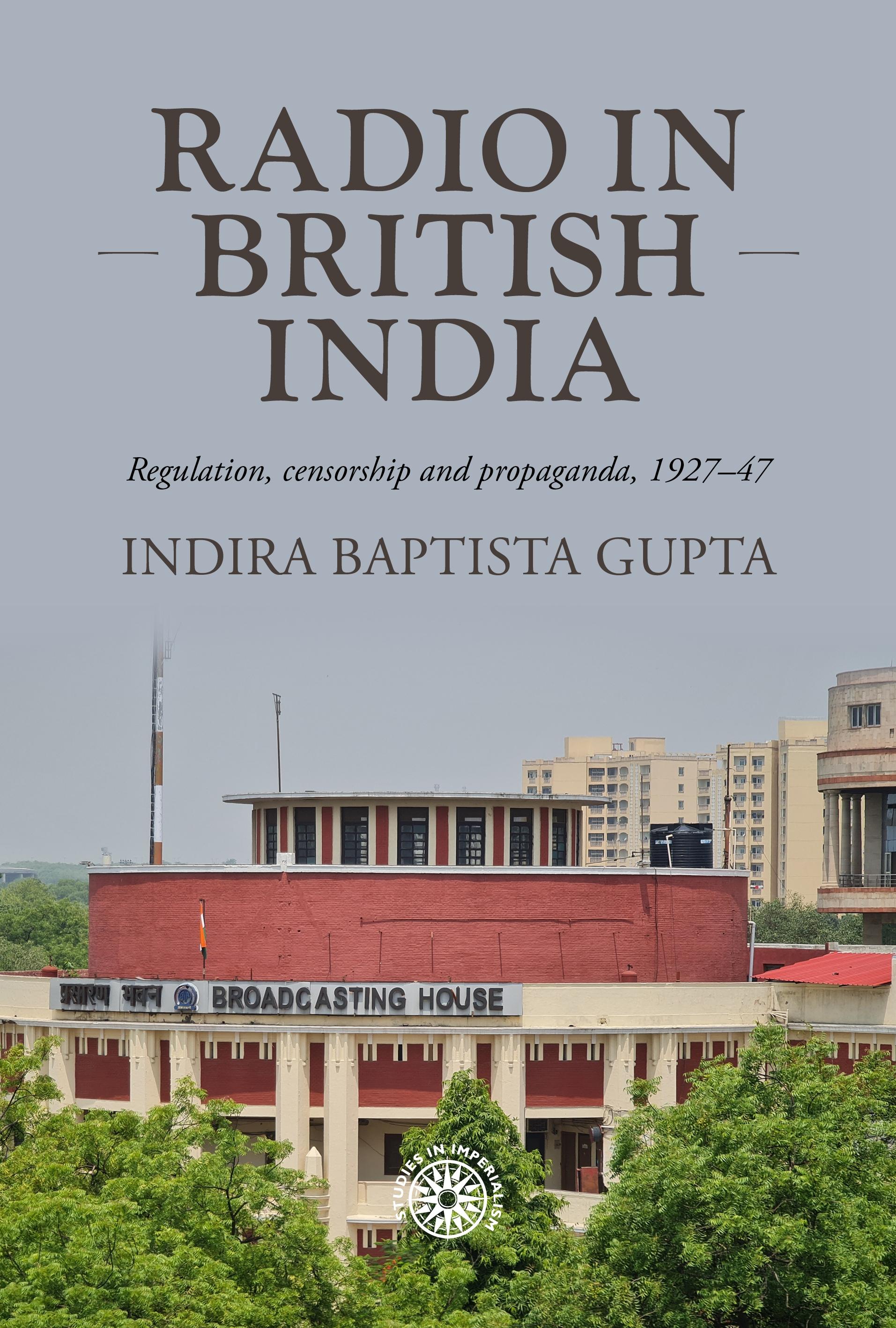
This book will argue that the British installed and controlled Indian radio, using it as a tool to prop up the colonial regime. Concessions made to Indian cultural styles, social aspirations or fluctuating needs of listeners had to fit foremostly into the colonial schema. Strikingly, the main edifice of Indian radio was modelled on the authoritarian Soviet pattern, both the semi-autonomous British and commercial American systems were rejected. The monograph is a thematic analysis of three activities relating to broadcasting in the last two decades of British rule. These relate to rules framed for regulating radio, implementing censorship and its use for publicity/propaganda. The progression of official policy relating to radio’s spoken word, especially news programmes, form the kernel of this enquiry. Contrastingly, other programmes, including music, comprising over 90 per cent of air time did not concern colonial officials and were allowed to develop on their own.
Along with political factors at play, the social, cultural, technological and commercial pressures of a medium evolving in colonial settings are probed. In the politically charged atmosphere of pre-Independent India, programmes were centralised at Delhi and political matter was prohibited. Thus, radio was kept aloof from the currents of Indian nationalism and the national movement, but was an important vehicle for colonialism and imperialism.
Betal nemt med kort, Klarna, Apple Pay eller Google Pay. Ikke tilfreds? Du har altid 14 dages fortrydelsesret. Læs mere i vores vilkår. Har du spørgsmål, så send os en mail på hello@memmo.org.
Memmo gør det nemmere at studere – uanset hvor du er i verden. Hos os samler du dine kursusbøger og smarte studieværktøjer ét sted: resuméer, quizzer, podcasts og flashcards. Og så er der Ted, din studieven, der svarer på alt, du undrer dig over. Over 50 000 studerende studerer allerede her – bygget til at hjælpe dig med at lære hurtigere og stresse mindre.