
Longlisted for The Inner Temple Book Prize 2025
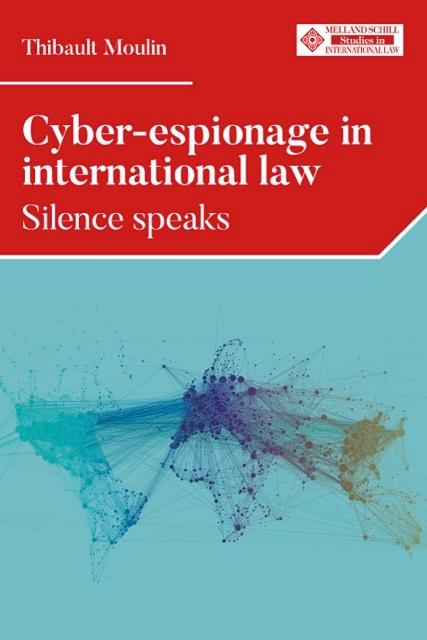
While espionage between states is a practice dating back centuries, the emergence of the internet revolutionised the types and scale of intelligence activities, creating drastic new challenges for the traditional legal frameworks governing them.
This book argues that cyber-espionage has come to have an uneasy status in law: it is not prohibited, because spying does not result in an internationally wrongful act, but neither is it authorised or permitted, because states are free to resist foreign cyber-espionage activities. Rather than seeking further regulation, however, governments have remained purposefully silent, leaving them free to pursue cyber-espionage themselves at the same time as they adopt measures to prevent falling victim to it.
Drawing on detailed analysis of state practice and examples from sovereignty, diplomacy, human rights and economic law, this book offers a comprehensive overview of the current legal status of cyber-espionage, as well as future directions for research and policy. It is an essential resource for scholars and practitioners in international law, as well as anyone interested in the future of cyber-security.
Betal nemt med kort, Klarna, Apple Pay eller Google Pay. Ikke tilfreds? Du har altid 14 dages fortrydelsesret. Læs mere i vores vilkår. Har du spørgsmål, så send os en mail på hello@memmo.org.
Memmo gør det nemmere at studere – uanset hvor du er i verden. Hos os samler du dine kursusbøger og smarte studieværktøjer ét sted: resuméer, quizzer, podcasts og flashcards. Og så er der Ted, din studieven, der svarer på alt, du undrer dig over. Over 50 000 studerende studerer allerede her – bygget til at hjælpe dig med at lære hurtigere og stresse mindre.