
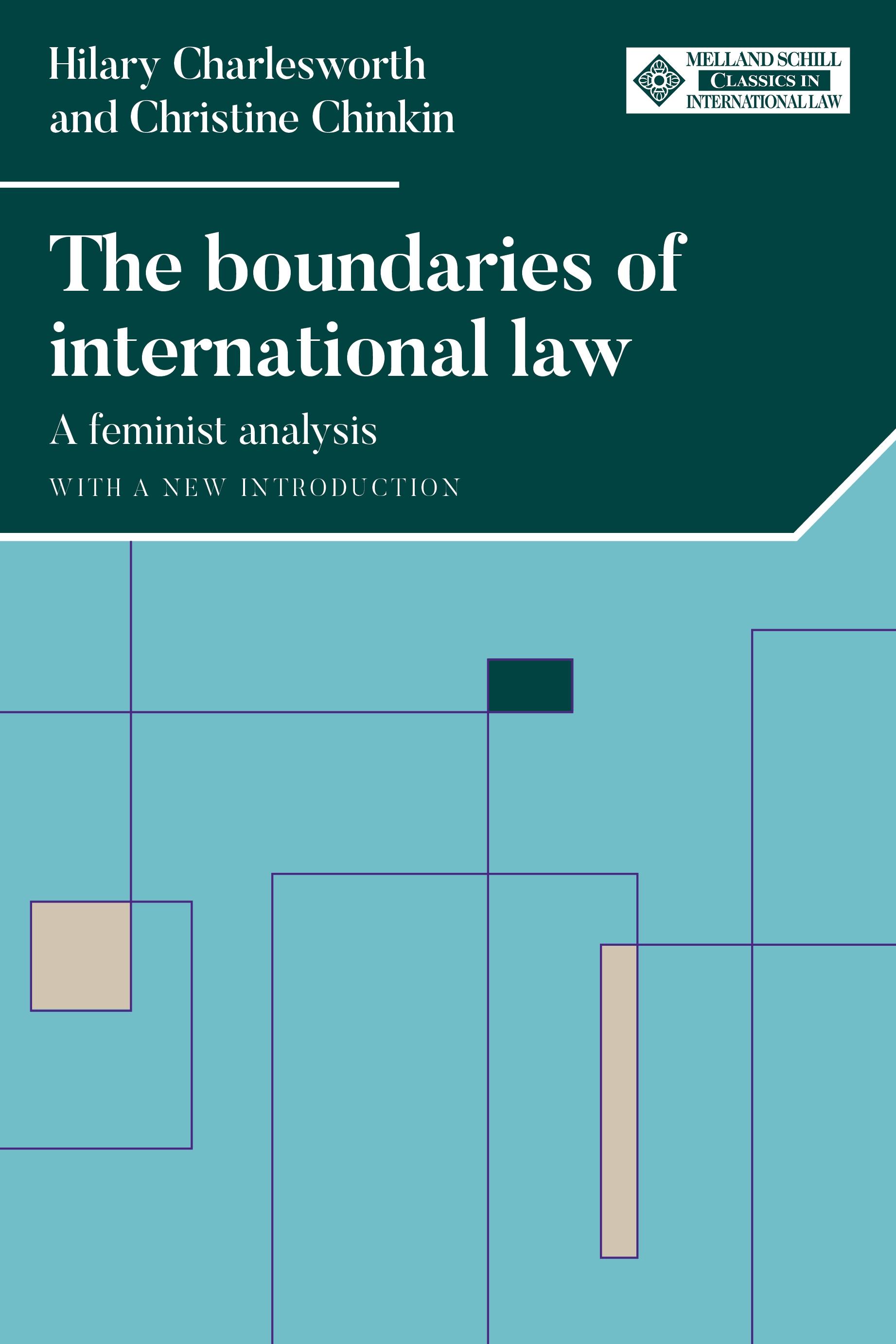
In the first book-length treatment of the application of feminist theories of international law, Charlesworth and Chinkin argue that the absence of women in the development of international law has produced a narrow and inadequate jurisprudence that has legitimated the unequal position of women worldwide rather than confronting it.
The boundaries of international law provides a feminist perspective on the structure, processes and substance of international law, shedding new light on treaty law, the concept of statehood and the right of self-determination, the role of international institutions and the law of human rights. Concluding with a consideration of whether the inclusion of women in the jurisdiction of international war crimes tribunals represents a significant shift in the boundaries of international law, the book encourages a dramatic rethinking of the discipline of international law.
With a new introduction that reflects on the profound changes in international law since the book’s first publication in 2000, this provocative volume is essential reading for scholars, practitioners and students alike.
Betal nemt med kort, Klarna, Apple Pay eller Google Pay. Ikke tilfreds? Du har altid 14 dages fortrydelsesret. Læs mere i vores vilkår. Har du spørgsmål, så send os en mail på hello@memmo.org.
Memmo gør det nemmere at studere – uanset hvor du er i verden. Hos os samler du dine kursusbøger og smarte studieværktøjer ét sted: resuméer, quizzer, podcasts og flashcards. Og så er der Ted, din studieven, der svarer på alt, du undrer dig over. Over 50 000 studerende studerer allerede her – bygget til at hjælpe dig med at lære hurtigere og stresse mindre.