
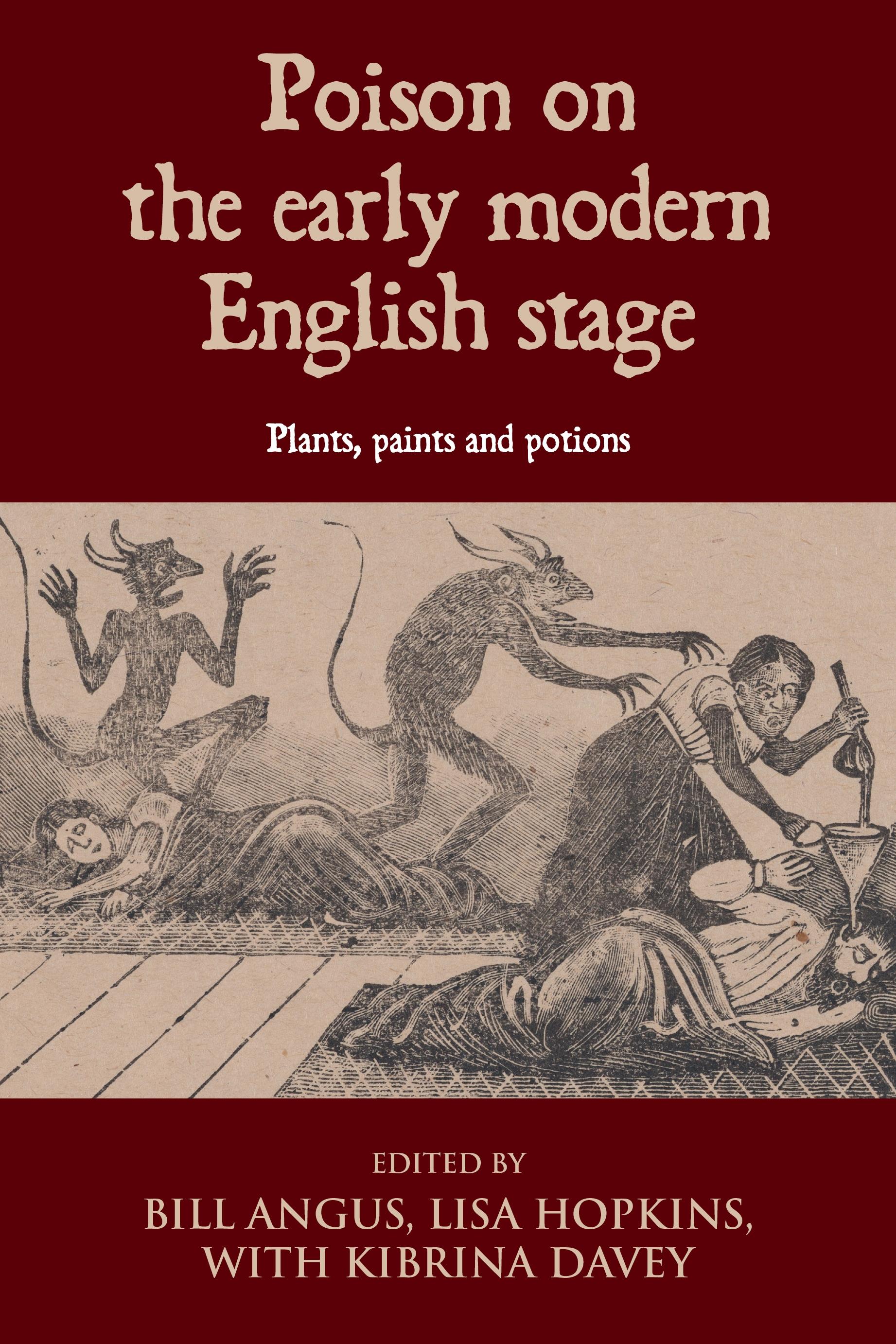
Many early modern plays use poison, most famously Hamlet, where the murder of Old Hamlet showcases the range of issues poison mobilises. Its orchard setting is one of a number of sinister uses of plants which comment on both the loss of horticultural knowledge resulting from the Dissolution of the Monasteries and also the many new arrivals in English gardens through travel, trade, and attempts at colonisation. The fact that Old Hamlet was asleep reflects unease about soporifics troubling the distinction between sleep and death; pouring poison into the ear smuggles in the contemporary fear of informers; and it is difficult to prove. This book explores poisoning in early modern plays, the legal and epistemological issues it raises, and the cultural work it performs, which includes questions related to race, religion, nationality, gender, and humans’ relationship to the environment.
Betal nemt med kort, Klarna, Apple Pay eller Google Pay. Ikke tilfreds? Du har altid 14 dages fortrydelsesret. Læs mere i vores vilkår. Har du spørgsmål, så send os en mail på hello@memmo.org.
Memmo gør det nemmere at studere – uanset hvor du er i verden. Hos os samler du dine kursusbøger og smarte studieværktøjer ét sted: resuméer, quizzer, podcasts og flashcards. Og så er der Ted, din studieven, der svarer på alt, du undrer dig over. Over 50 000 studerende studerer allerede her – bygget til at hjælpe dig med at lære hurtigere og stresse mindre.
Du kan måske også lide
Køb bogen0